


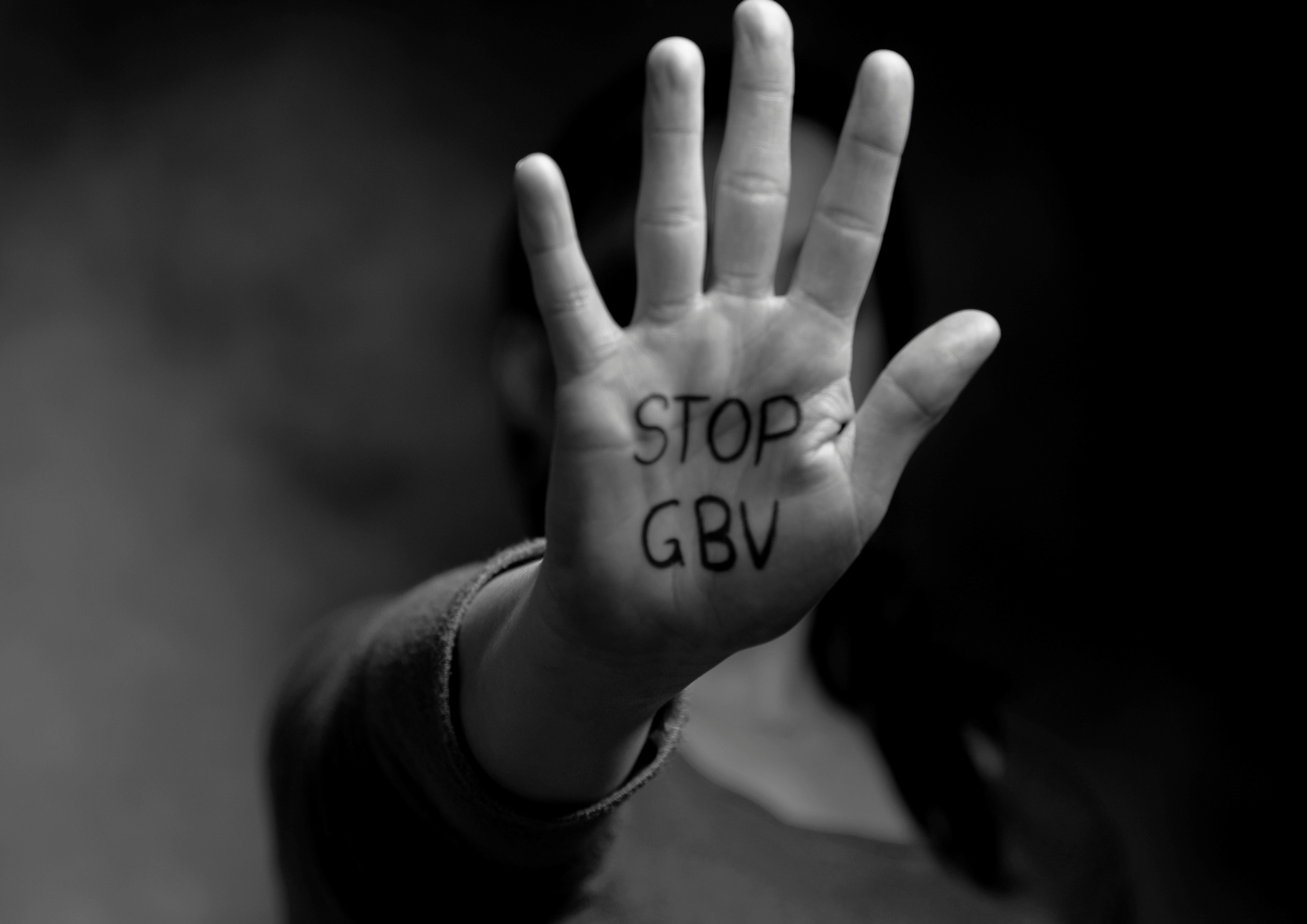
At least 129 women were killed in Kenya between January and March 2025, with March recording the highest number of murder cases at 44.
January followed closely with 43 cases, while 42 were reported in February.
These shocking statistics were part of a memorandum on gender-based violence (GBV), including femicide, presented to the Chairperson of the Technical Working Group on GBV on April 9, 2025.
The figures have sparked concern among rights groups and government agencies over the rising cases of violence against women.
According to the report, Kenya has witnessed a steady rise in murders of women in the past three years. In 2022, 526 women were killed, 534 in 2023, and 579 in 2024 — totaling 1,639 victims over the three-year period.
“The period between 2022 and 2024 witnessed a disturbing increase in reported cases of femicide and GBV across Kenya,” the memorandum states.
In response, the National Police Service (NPS) has introduced measures to address the crisis, including the creation of gender desks in selected police stations across the country.
These desks are designed to make it easier for survivors to report GBV cases in an environment that is supportive and sensitive to their needs.
“NPS has established dedicated gender desks in some police stations across the country to facilitate the reporting and documentation of GBV cases in a survivor-friendly manner,” reads part of the document.
Currently, Kenya has 1,253 police stations, with 45 child protection units. However, only seven of these units are fully equipped and operational, highlighting the need for more resources and support.
To further improve how cases are handled, police officers in charge of gender and child protection units are now undergoing continuous training on trauma-informed and gender-sensitive approaches. This is meant to ensure survivors are treated with empathy and professionalism.
The NPS is also working closely with key partners such as the Judiciary, the Office of the Director of Public Prosecutions (ODPP), the Department of Children’s Services (DCS), the Ministry of Health, the State Department for Gender, the Gender Violence Recovery Centre (GVRC), NGOs, shelters, and health facilities to strengthen the multi-agency response to GBV.
Despite the progress, authorities admit that many survivors still hesitate to report violence. Some fear being blamed or intimidated by perpetrators, while others have lost trust in the justice system.
Email your news TIPS to Editor@Kahawatungu.com — this is our only official communication channel
