


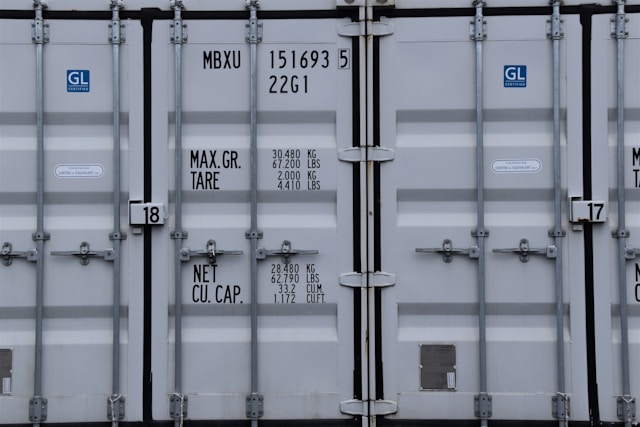
Moving boxes isn’t the only thing that comes up when you handle dangerous goods packages. You also have to protect people, property, and the environment. If you label, store, or transport something wrong, it could cause major safety problems or even legal problems.
With this blog, you’ll learn the most important lessons you should have learned to handle dangerous goods packages with confidence and care.
1. Understand the Classification of Dangerous Goods
Different dangerous things have different risks. Some dangerous goods can explode, some can ignite, and others can release toxic gas. Figure out how to spot each kind. People can learn how to stay safe from the codes and marks, which are more than just pictures.
You can get ready the right way once you know the types. You’ll know what to wear and how to put things away correctly. Everyone in the chain is safe and ready for anything, from the packer to the driver.
2. Follow Proper Packaging and Labeling Rules
It’s not just a box, so don’t skip the right packing. Heavy, airtight cases that won’t break or leak are needed for dangerous goods. Each thing needs a sign that makes it clear what the danger is. Labels let people who are handling things in a situation know what’s inside quickly.
A big accident can happen because of even a small mistake on the label. Check that each sticker can be seen, sticks well, and matches the papers.
3. Learn and Apply Safe Loading and Unloading Practices
If you load something the wrong way, it could become a mess or even a disaster. Keep the weight even. Tighten up everything. Keep things that don’t go together close to each other.
It should be just as easy to unload. Put on the right gear. Watch out for smells or leaks. One mistake can lead to harm, damage, or even worse. Don’t worry, do things the right way, and don’t rush.
4. Keep Detailed Documentation and Records
Paperwork keeps people alive. Write down what’s in the box, where it’s going, and who touched it. It’s the names, dates, labels, and numbers that matter most.
Make lists to make sure you’ve checked everything twice. Clear up your writing and make copies. Your records will help someone further down the line if they need to know what to do.
5. Comply with Legal Transport Requirements
You can’t just guess; each country has its own rules. Before you do anything, learn the rules. To get some things, you need special permits, route plans, or notices. Breaking the rules could result in fines, suspension, or even injury.
Do what the law says about transportation—don’t take shortcuts. Stay up to date if the rules change. What if you’re not sure? Ask the law or compliance teams. The job goes smoothly when there are clear rules and safe conditions.
6. Train Staff Regularly and Thoroughly
Sometimes people forget the steps, or there are new rules. Make sure that everyone who works there knows what to do and why. This includes the driver and the loader.
Make sure meetings are short and clear. Show people what to do in real life. You should teach them what to do if something breaks, leaks, or catches fire. A trained group moves quickly, stays safe, and saves lives.
Maintain Proper Storage
Dangerous Goods Containers aren’t just about following the directions; they’re also about making safety-first habits. You can help make the workplace safe and in line with safety rules by staying organized, following the rules, and scheduling checks ahead of time. Standards for storage should always come first, because when they’re done right, they protect more than just goods.
Email your news TIPS to Editor@Kahawatungu.com — this is our only official communication channel
