


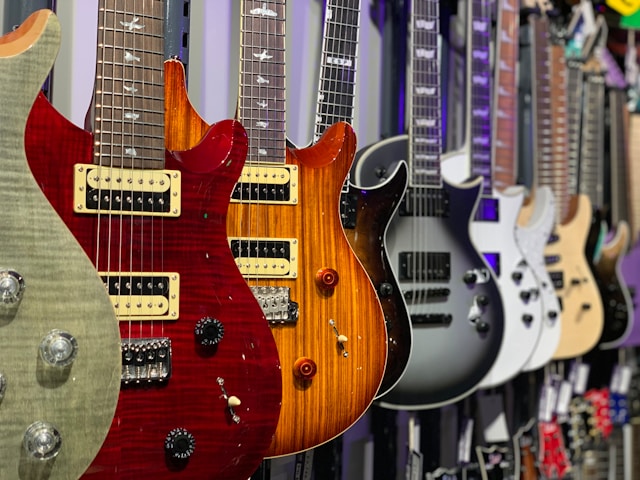
Vintage guitar auctions reward patience, evidence, and a clear head. A clean finish or famous decal can draw attention, but value often sits in quieter details. Neck angle, solder joints, pot codes, bridge height, fret wear, finish history, and repair records all deserve careful review. Confident bidding starts before registration. Buyers who prepare well can separate a solid instrument from an expensive risk.
Set a Real Budget
Before bidding, a buyer should study fees, auction terms, return rules, and seller standards. A reliable guide to guitar auctions helps organize those checks, since older instruments often carry changed parts, partial records, or repairs that affect price. Clear limits protect judgment once bidding speeds up and competing offers begin to test discipline.
Know the Total Cost
The winning number is rarely the final bill. Buyer premiums, sales tax, shipping, insurance, bank charges, and climate-safe packing can add a meaningful sum. Some guitars also need fretwork, setup, crack repair, or electronics service after arrival. Careful bidders calculate the full landed cost first. That figure, rather than the hammer price, should guide every offer.
Research the Exact Model
Vintage value depends on year, factory specification, and originality. A Gibson, Fender, Martin, or Gretsch from the same decade can shift sharply in price because of pickups, neck shape, bracing, finish, or hardware. Auction titles may simplify those differences. Model-specific research helps a buyer spot rare traits, later modifications, and descriptions that leave important questions unanswered.
Read the Condition Report
A useful condition report should name repairs clearly. Look for cracks, overspray, breaks, refrets, binding shrinkage, neck resets, bridge reglues, loose braces, and altered electronics. Quiet wording can hide uncertainty. A phrase like “appears original” carries less weight than a direct statement from a qualified specialist. Buyers should ask focused questions before committing money.
Inspect Photos Carefully
Photos should prove condition, not simply flatter the instrument. Strong listings include close views of the headstock, heel, bridge, frets, binding, electronics, label, case, and finish under angled light. Reflections may conceal overspray or repaired cracks. Blurry images increase risk. Missing views should prompt a request for more evidence before a serious bid is placed.
Verify Provenance
Provenance can support value, but stories need documentation. Receipts, repair invoices, old photographs, artist records, serial logs, and signed letters carry more weight than verbal history. Celebrity ownership should be backed by a traceable paper trail. A guitar without famous history may still be excellent. Price should follow proof, condition, and musical quality rather than rumor.
Judge Playability
Many vintage guitars are both historical objects and working instruments. Neck relief, action, fret height, bridge position, saddle room, truss rod response, and intonation all affect practical use. A beautiful acoustic with a poor neck angle may require costly correction. Players should price future setup or structural work before bidding, especially on instruments meant for regular performance.
Know Repair Impact
Repairs vary widely in effect. A clean refret, stable crack repair, or replaced saddle may support healthy use. Refinishing, routing, altered bracing, headstock breaks, and changed pickups can lower value more sharply. The quality of work matters as much as the repair itself. Buyers should ask who completed it, when, and whether records exist.
Plan the Bid
A bid plan should be written before the lot opens. Buyers can set fair value, personal maximum, and a firm walkaway number. Early offers may test the room, while late bids can limit emotional escalation. Neither approach replaces discipline. The best winning bid still feels rational after premiums, transport, insurance, and likely service costs are included.
Choose Sellers Carefully
Auction houses and dealers differ in expertise, transparency, and after-sale support. Review terms before registering, including returns, payment windows, disputes, and shipping responsibility. A specialist who answers technical questions directly reduces uncertainty. Clear descriptions, consistent photography, and evidence-based replies usually signal a more dependable buying environment than vague confidence or rushed communication.
Protect the Guitar After Purchase
Care continues after payment. Shipping should include full insurance, proper neck support, controlled packing, tracking, and attention to weather. On arrival, the buyer should photograph the box, case, and instrument before tuning or adjustment. Any damage needs prompt reporting. Stable humidity, careful acclimation, and a qualified setup help preserve sound, structure, and future resale value.
Conclusion
Vintage guitar auctions can be deeply rewarding when each lot is treated as a serious instrument purchase. Research, documentation, condition checks, and firm limits give buyers a calmer position before bids climb. The smartest result is not always the highest-profile win. It is the guitar that fits budget, purpose, originality standards, and repair tolerance, with enough evidence to own, play, insure, and explain confidently.

Email your news TIPS to Editor@Kahawatungu.com — this is our only official communication channel
