


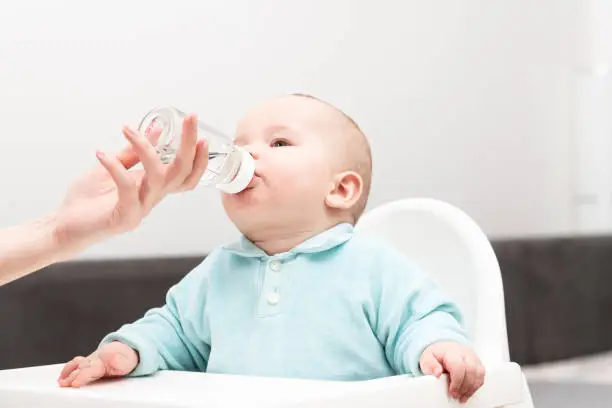
If you are searching for how to make glucose water for babies, it is very important to understand when and whether it should be used. Glucose water is a mixture of sugar and water that is sometimes given in specific medical situations, such as under hospital supervision. However, routine use at home is generally not recommended unless advised by a qualified healthcare professional. Organizations like the World Health Organization emphasize that exclusive breastfeeding or properly prepared infant formula is the safest nutrition for babies in the first months of life.
Before giving glucose water to a baby, especially a newborn, always consult a doctor or nurse. Babies are sensitive to changes in fluid and sugar balance, and improper preparation can cause harm.
-
When Glucose Water May Be Used
Glucose water is sometimes used in medical settings for specific reasons, such as:
- Supporting babies with low blood sugar under medical supervision
• Temporary use before certain hospital procedures
• As directed by a pediatric healthcare provider
It should not replace breast milk or formula feeding. Giving sugar water without medical guidance can interfere with feeding patterns and may affect a baby’s nutrition.
If your baby seems dehydrated, unusually sleepy, or unwell, seek medical attention rather than preparing home remedies.
-
Understanding Safe Preparation
If a healthcare professional specifically instructs you to give glucose water, they will usually provide exact measurements. It is essential to follow those instructions precisely.
In general medical contexts, glucose solutions are carefully measured to ensure the correct concentration. Too much sugar can upset a baby’s stomach or affect blood sugar levels. Too little may not serve the intended purpose.
Always use:
- Clean, boiled, and cooled water
• Properly measured glucose powder if prescribed
• Sterilized feeding equipment
Never guess quantities or use ordinary table sugar unless explicitly instructed by a healthcare provider.
-
Why Professional Advice Is Essential
Babies, especially newborns, have delicate digestive systems. Even small changes in diet can cause problems such as diarrhea, stomach discomfort, or feeding difficulties.
Breast milk and infant formula are specifically designed to meet a baby’s nutritional needs. Introducing glucose water unnecessarily may reduce a baby’s appetite for proper feeds, which can affect growth and development.
If your baby is constipated, fussy, or feeding poorly, it is safer to consult a pediatric professional for guidance rather than experimenting with sugar solutions.
-
Safer Alternatives for Hydration and Nutrition
For healthy babies under six months, exclusive breastfeeding or correctly prepared formula provides all necessary fluids. Babies generally do not need extra water or glucose water unless medically advised.
If dehydration is suspected, doctors may recommend an oral rehydration solution specifically formulated for infants, rather than homemade mixtures. These products are carefully balanced to ensure safety.
Also Read: How to Make Flowers Out of Ribbon
Email your news TIPS to Editor@Kahawatungu.com — this is our only official communication channel
