


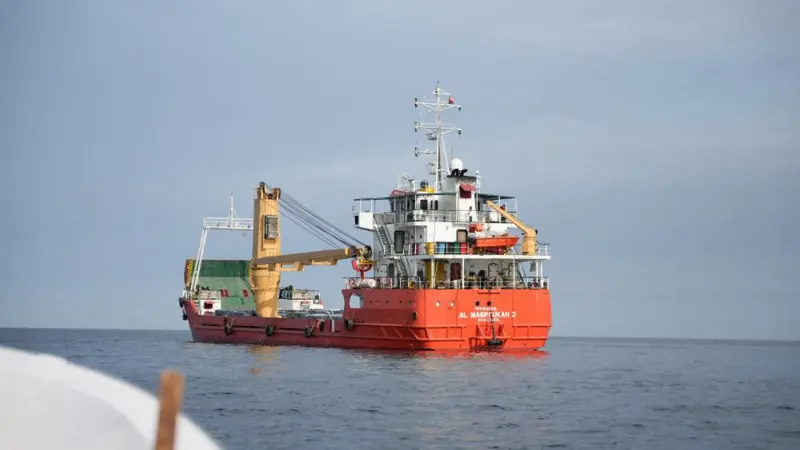
Iran has announced it is reasserting control over the Strait of Hormuz following continued tensions with the United States over a reported blockade of its ports.
According to Iranian state media, including Fars News Agency and Islamic Republic of Iran Broadcasting, the country’s military said the strait would return “to its previous state,” with armed forces resuming full control of the critical shipping lane.
The statement, attributed to the Islamic Revolutionary Guard Corps (IRGC), accused the United States of engaging in “piracy,” claiming that the reported blockade amounts to maritime robbery. Tehran had earlier warned it would shut the waterway if Washington maintained pressure on its ports.
The Strait of Hormuz is one of the world’s most vital oil transit routes, and any disruption is likely to have significant implications for global energy supplies and shipping.
Initial reports indicated that some vessels had continued to transit the waterway, but the extent of marine traffic remains unclear. Maritime tracking data suggests that several ships altered their routes shortly after Iran’s announcement. One vessel, identified as the Minerva Evropi, reportedly turned back toward its point of origin.
Meanwhile, Iran is facing a prolonged digital blackout, now entering its 50th day, according to monitoring group NetBlocks. The group described the outage as “unprecedented,” noting that the country has been largely cut off from the global internet for seven weeks.
Reports indicate that some Iranians are resorting to satellite internet services such as Starlink to stay connected, despite high costs and legal risks. Access is reportedly being sold at about $6 per gigabyte, a steep price in a country where average monthly earnings range between $200 and $300. Authorities have also warned that use of such services could lead to prison sentences, with hundreds of devices allegedly confiscated.
The developments come amid heightened rhetoric between Donald Trump and Iranian officials, though there have been no confirmed reports of active military confrontation.
At the same time, a ceasefire between Israel and the Iran-backed Hezbollah in Lebanon appears to be holding, despite isolated incidents. Analysts say the truce could influence broader diplomatic efforts between Washington and Tehran, even as uncertainty remains over the prospects for a lasting agreement.

Email your news TIPS to Editor@Kahawatungu.com — this is our only official communication channel
