


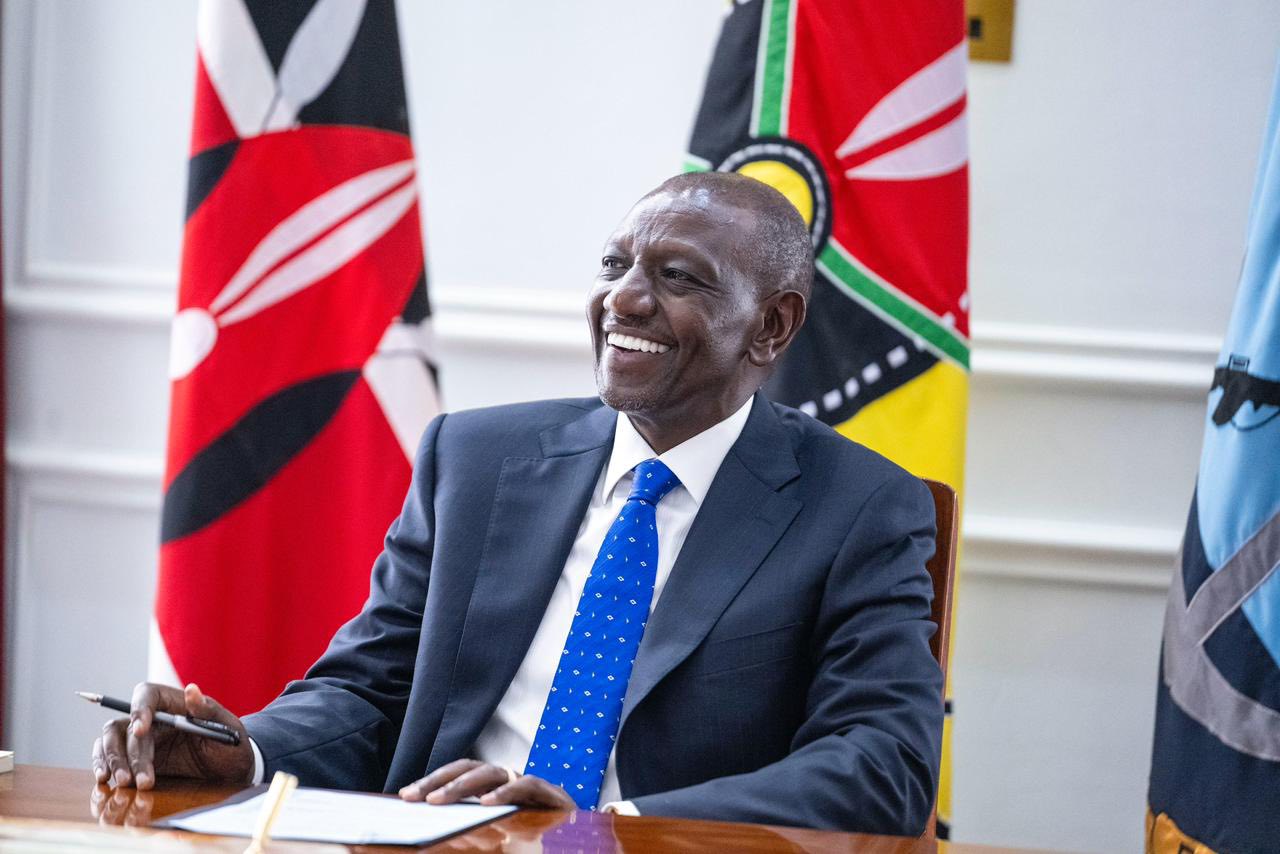
President William Ruto remains the most popular potential presidential candidate ahead of the 2027 General Election, but a new survey suggests the Opposition still has significant room to mount a serious challenge.
According to the latest national survey released on May 14, 2026, by the Trends and Insights For Africa (TIFA), titled Current Political Alignments and 2027 Election Prospects, President Ruto currently commands support from 24 per cent of Kenyans, making him the most popular potential presidential contender.
However, the pollster noted that the figure — representing roughly one-quarter of respondents — suggests substantial political space remains for Opposition leaders to consolidate support ahead of next year’s election.
TIFA observed that while President Ruto is currently the only confirmed presidential candidate, support for his key potential rivals remains heavily concentrated within their regional strongholds, raising questions about their ability to build national appeal.
The survey further indicates uncertainty over whether support currently spread among various Opposition leaders could easily shift to a single candidate if one flagbearer is eventually chosen.
The report also points to legal uncertainty surrounding former Deputy President Rigathi Gachagua, whose eligibility to contest remains unclear due to an ongoing court challenge linked to his 2024 impeachment.
TIFA highlighted several major shifts in presidential preference ratings over the past year, including the political exit of former Prime Minister Raila Odinga from the presidential scene.
The survey also identified Nairobi Senator Edwin Sifuna as an emerging political force, with his popularity rising from zero to 10 per cent in the presidential preference rankings.
At the same time, former Interior Cabinet Secretary Fred Matiang’i recorded a decline in support since returning from the United Kingdom a year ago, falling from 32 per cent to 24 per cent.
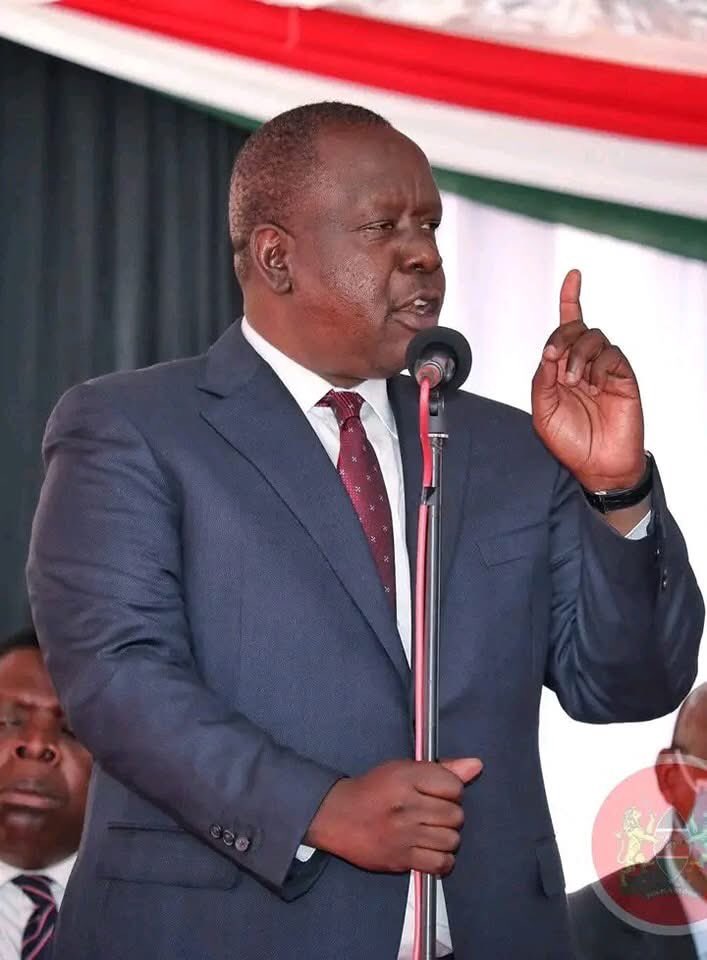
Similarly, support for Wiper leader Kalonzo Musyoka declined significantly since November 2025, dropping from 29 per cent to 14 per cent.
Meanwhile, the proportion of respondents who described themselves as undecided has reduced considerably, standing at 15 per cent, while President Ruto’s popularity has reached its highest level since TIFA began tracking potential presidential support in May last year, rising from the high teens to 24 per cent.
The findings come amid broader shifts in political loyalties, with support for both the Orange Democratic Movement (ODM) and the ruling United Democratic Alliance (UDA) declining as the Democracy for Citizens Party (DCP) gains momentum.
According to the survey, support for ODM and UDA has dropped significantly compared to their August 2022 levels, a trend attributed to voter fatigue, changing political loyalties and increasing uncertainty within the political landscape.
At the same time, DCP has registered notable growth, with support rising from 9 per cent in September 2025 to 16 per cent in May 2026.
In overall party popularity, ODM leads marginally at 18 per cent, followed closely by UDA at 17 per cent and DCP at 16 per cent — figures that fall within the survey’s margin of error of plus or minus 2.18 per cent. Jubilee Party ranked fourth with 11 per cent support

Email your news TIPS to Editor@Kahawatungu.com — this is our only official communication channel
