


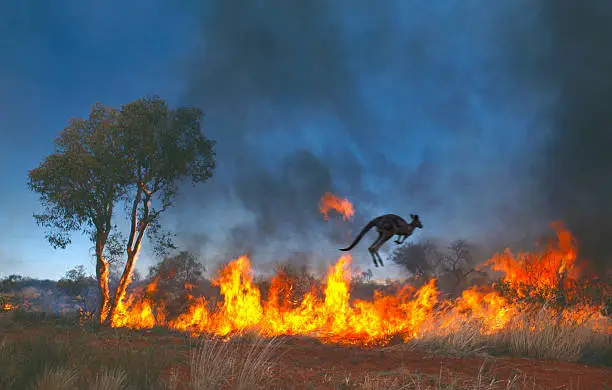
Knowing how to avoid forest fires is important for protecting forests, wildlife, homes, farms, and human lives. Forest fires can start naturally, but many are caused by human activities such as unattended fires, burning rubbish, discarded cigarettes, and unsafe use of equipment. Preventing fires requires careful behaviour, especially during hot, dry, and windy conditions. Simple precautions can significantly reduce the risk of starting or spreading a forest fire.
-
Avoid Starting Unnecessary Fires
Do not light fires in forests, grasslands, or other areas unless fires are permitted and there is a safe, designated place for them.
If you are camping or cooking outdoors, use approved areas and follow local fire restrictions.
- Check local fire regulations
- Use designated fire areas
- Avoid unnecessary outdoor fires
- Follow instructions from authorities
-
Never Leave a Fire Unattended
An outdoor fire can spread quickly when wind carries sparks or flames to dry vegetation.
Always keep a responsible adult watching a permitted fire and make sure it is completely extinguished before leaving.
- Keep the fire under supervision
- Keep water or suitable extinguishing materials nearby
- Never leave children in charge of a fire
- Put out the fire completely before leaving
-
Extinguish Fires Properly
Simply pouring a small amount of water over a fire may not be enough.
When conditions allow, thoroughly extinguish the fire and ensure that remaining embers and ashes are no longer hot before leaving the area.
- Add sufficient water
- Stir the ashes and embers
- Check for remaining heat
- Leave only when the fire is completely out
-
Do Not Throw Cigarette Butts on the Ground
Discarded cigarettes can ignite dry grass, leaves, and other vegetation.
Avoid smoking in forests and other areas with dry vegetation, particularly when fire restrictions are in place.
- Never throw cigarette butts on the ground
- Use designated smoking areas
- Extinguish cigarettes completely
- Follow local smoking and fire restrictions
-
Be Careful When Burning Garden Waste
Burning leaves, branches, and other garden waste can cause fires when flames or embers escape.
Where burning is permitted, follow local regulations and weather restrictions. Consider safer alternatives such as composting or using approved waste-disposal services.
- Check whether burning is permitted
- Avoid burning during windy conditions
- Keep fires away from dry vegetation
- Consider alternatives to burning
-
Keep Flammable Materials Away From Heat
Dry grass, leaves, paper, fuel, and other combustible materials can catch fire easily.
Keep these materials away from open flames, hot machinery, and other sources of heat.
- Clear dry vegetation around permitted fire areas
- Store fuel safely
- Keep combustible materials away from heat
- Clean areas around machinery
-
Use Outdoor Equipment Carefully
Machinery such as vehicles, lawn equipment, welding equipment, and power tools can sometimes produce sparks or heat capable of starting fires.
Use equipment responsibly and avoid operating equipment in extremely dry vegetation when conditions make fire ignition more likely.
- Maintain equipment properly
- Check for overheating
- Avoid creating sparks near dry vegetation
- Follow manufacturer safety instructions
-
Follow Fire Warnings and Restrictions
Authorities may introduce fire bans or restrictions during periods of high fire danger.
Take these warnings seriously and avoid activities that could create sparks or flames.
- Check local fire warnings
- Follow fire bans
- Monitor weather conditions
- Avoid restricted activities
-
Prepare Your Property
If you live near a forest or area with dry vegetation, reduce materials around your home that could allow a fire to spread.
Keep vegetation maintained and ensure that access routes remain clear for emergency services.
- Remove excessive dry vegetation
- Keep gutters and roofs free of leaves
- Maintain a clear area around buildings
- Keep emergency access routes open
-
Report Fires Immediately
If you see smoke or a fire in a forest or other natural area, report it to the appropriate emergency or fire service as quickly as possible.
Do not attempt to fight a large or rapidly spreading fire yourself.
- Move to a safe location
- Contact emergency services
- Give the exact location if possible
- Follow evacuation instructions
-
Be Extra Careful During Dry and Windy Weather
Hot, dry, and windy conditions can cause fires to spread rapidly.
During periods of high fire danger, avoid activities involving open flames, sparks, or burning vegetation.
- Check weather conditions
- Follow fire-risk warnings
- Avoid outdoor burning
- Keep emergency plans ready
Also Read: How to Keep Short Hair Smart
Email your news TIPS to Editor@Kahawatungu.com — this is our only official communication channel
