


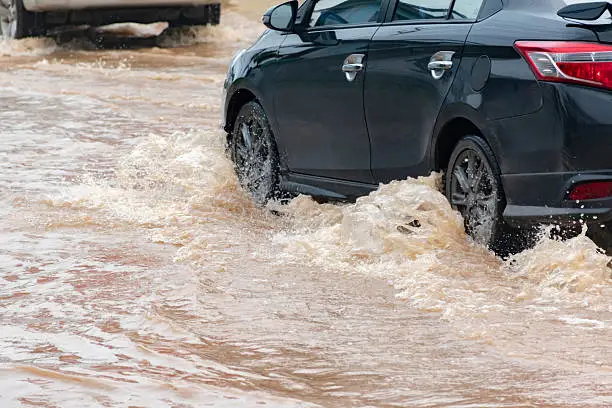
Knowing how to prepare for heavy rains can help protect your family, home, belongings, and property from flooding and other weather-related risks. Heavy rainfall can cause flooded roads, overflowing drainage systems, falling trees, power interruptions, landslides, and damage to buildings. Preparing before the rain becomes severe can reduce risks and make it easier to respond to emergencies.
-
Check Weather Forecasts Regularly
Start by monitoring reliable weather forecasts and official alerts, especially when heavy rain is expected.
Knowing when severe weather is approaching gives you time to prepare your home and make safe travel decisions.
- Check weather forecasts
- Follow official weather alerts
- Pay attention to flood warnings
- Share important warnings with family members
-
Clear Gutters and Drainage Systems
Blocked gutters and drains can prevent rainwater from flowing away from your home.
Remove leaves, rubbish, soil, and other debris before heavy rain begins. Make sure drainage channels around your property are clear.
- Clean gutters
- Clear nearby drains
- Remove rubbish from drainage channels
- Check downpipes for blockages
-
Check the Roof and Walls
Inspect your roof for damaged or missing roofing materials and check walls and windows for places where water could enter.
Repair problems before heavy rainfall whenever possible.
- Check for roof damage
- Repair leaks
- Inspect windows and doors
- Seal obvious gaps where appropriate
-
Secure Outdoor Items
Strong winds that sometimes accompany heavy rain can move loose objects around your property.
Secure or move outdoor furniture, tools, containers, garden equipment, and other items that could be blown away or damaged.
- Secure outdoor furniture
- Store loose equipment indoors
- Tie down suitable items
- Remove objects from drainage paths
-
Prepare an Emergency Kit
Keep essential supplies in an easily accessible place in case flooding or power interruptions affect your household.
Your kit can include drinking water, food that does not require refrigeration, a flashlight, batteries, a first-aid kit, essential medicines, important documents, and a charged power bank.
- Store drinking water
- Keep basic food supplies
- Have a flashlight available
- Charge phones and power banks
- Keep important documents protected
-
Protect Important Belongings
Move valuable or easily damaged items away from areas where water could enter.
Important documents, electronics, clothing, and other valuables can be stored in waterproof containers or placed on higher shelves.
- Protect important documents
- Move electronics to higher areas
- Use waterproof storage where possible
- Keep valuables away from floors
-
Avoid Driving Through Floodwater
Floodwater can be deeper and stronger than it appears and may hide potholes, debris, damaged roads, or open drains.
Avoid driving or walking through flooded roads whenever possible. Follow road closures and instructions from authorities.
- Avoid flooded roads
- Follow official warnings
- Do not attempt to cross fast-moving water
- Find a safer alternative route
-
Prepare for Possible Power Outages
Heavy storms can sometimes cause power interruptions.
Charge essential devices beforehand and keep flashlights and other emergency lighting available. Avoid using electrical appliances or touching electrical equipment if water has entered your home.
- Charge phones
- Keep flashlights ready
- Have spare batteries
- Keep electrical equipment away from water
-
Make a Family Emergency Plan
Discuss what everyone should do if flooding or another emergency occurs.
Identify safe areas, emergency contacts, evacuation routes, and a meeting point in case family members become separated.
- Identify emergency contacts
- Discuss evacuation routes
- Choose a safe meeting point
- Make sure children understand the plan
-
Protect Children and Pets
Keep children and pets away from flooded areas, drainage channels, rivers, and moving water.
Floodwater can contain contaminants and may hide dangerous objects or electrical hazards.
- Keep children away from floodwater
- Supervise pets
- Avoid rivers and drainage channels
- Follow evacuation instructions
-
Watch for Landslides and Falling Trees
In areas with steep slopes or saturated soil, heavy rain can increase the risk of landslides.
Stay alert for cracks in the ground, unusual movement of soil, falling rocks, or leaning trees, and move away from dangerous areas if necessary.
- Avoid unstable slopes
- Watch for warning signs
- Keep away from damaged trees
- Follow local safety instructions
-
Follow Evacuation Orders
If authorities advise residents to evacuate because of flooding, landslides, or another serious threat, leave promptly using the recommended route.
Do not wait until roads become impassable.
- Follow official evacuation orders
- Take your emergency kit
- Use recommended routes
- Check on vulnerable neighbours where it is safe to do so
Also Read: How to Keep Short Hair Smart
Email your news TIPS to Editor@Kahawatungu.com — this is our only official communication channel
