


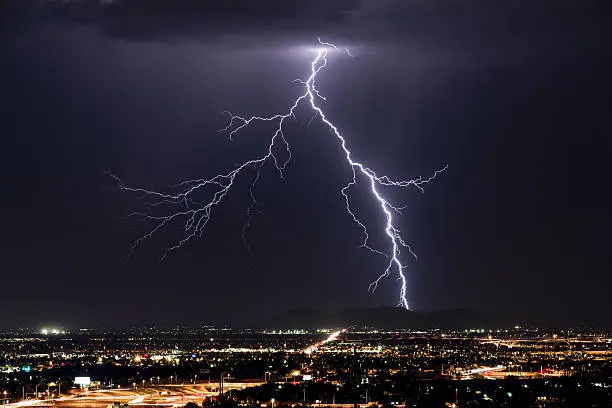
Learning how to prevent lightning strikes on building is important for protecting homes, offices, schools, apartments and other structures during thunderstorms. While it is not possible to completely stop lightning from striking a building, proper lightning protection systems can reduce the risk of serious damage, fires, electrical surges and injuries. Buildings can be made safer by installing appropriate protection equipment, maintaining electrical systems and taking precautions whenever thunderstorms are expected.
-
Install a Lightning Protection System
One of the most effective ways to protect a building from lightning is to install a properly designed lightning protection system. The system provides a controlled path for electrical energy from a lightning strike to reach the ground safely.
A typical system may include air terminals, conductors, grounding components and bonding connections. Because installation involves electrical and structural safety considerations, it should be designed and installed by qualified professionals.
-
Install Proper Grounding
A good grounding system is an important part of lightning protection. It provides a path through which electrical energy can safely dissipate into the ground.
The grounding system should be properly designed for the building and regularly inspected. Poor grounding can reduce the effectiveness of protection equipment and increase the risk of electrical damage.
Property owners should have grounding systems assessed by qualified electrical professionals.
-
Use Surge Protection Devices
Lightning can cause electrical surges that damage appliances, computers, security systems and other electronic equipment even when the building itself is not directly struck.
Installing suitable surge protection devices can help protect electrical and electronic equipment from sudden voltage increases.
Important equipment such as computers, networking systems and sensitive electronic devices may require additional protection.
-
Protect the Electrical Wiring
Faulty or poorly maintained electrical wiring can increase the risk of fire and electrical damage during thunderstorms.
Buildings should have electrical installations inspected periodically by qualified electricians. Damaged cables, overloaded circuits, loose connections and defective equipment should be repaired promptly.
Avoid attempting complicated electrical repairs without professional assistance.
-
Bond Metal Components
Metal components on a building can create potential pathways for lightning energy. Proper bonding connects appropriate metal parts to the building’s lightning protection and grounding system.
This can help reduce dangerous differences in electrical potential during a lightning event.
A qualified professional should determine which components require bonding and ensure that the work complies with applicable electrical and building safety requirements.
-
Keep Trees Away From the Building
Tall trees close to buildings can create additional risks during thunderstorms. Lightning can strike trees and cause branches to fall onto roofs, windows, vehicles or nearby electrical installations.
Property owners should regularly inspect trees around the building and have dead, unstable or dangerous branches professionally removed.
Avoid standing under trees during thunderstorms because trees do not provide safe shelter from lightning.
-
Secure Rooftop Equipment
Buildings often have equipment installed on rooftops, including antennas, satellite dishes, solar equipment and other metal structures. These installations should be properly assessed and integrated into the building’s electrical and lightning protection arrangements where necessary.
Do not install or modify rooftop electrical equipment without considering grounding and lightning protection.
-
Stay Away From Windows During Thunderstorms
During a thunderstorm, people inside a building should move away from windows, doors and balconies.
Windows can be damaged by strong winds, flying debris or nearby lightning-related events. Staying in an interior area of a substantial building provides better protection than remaining near exposed openings.
-
Avoid Using Wired Electrical Equipment
During thunderstorms, avoid unnecessary use of electrical equipment connected directly to wall outlets. Lightning-related surges can travel through electrical and communication systems.
Where appropriate, unplug sensitive equipment before a severe storm arrives, provided it can be done safely and before the storm is overhead.
Never attempt to unplug equipment while there is active water exposure or another electrical hazard.
-
Inspect the Protection System Regularly
Installing a lightning protection system is not enough. The system should be inspected and maintained periodically to ensure that components remain in good condition.
Look for damaged conductors, loose connections, corrosion, physical damage and changes to the building that may affect the system.
Any repairs or modifications should be handled by qualified professionals.
-
Educate Building Occupants
Everyone using the building should understand basic thunderstorm safety. Residents, employees, teachers and students should know where to shelter when lightning is present.
People should avoid open fields, rooftops, balconies, isolated trees and other exposed locations during thunderstorms.
Clear safety instructions can help occupants respond quickly when severe weather develops.
-
Monitor Weather Warnings
Monitoring reliable weather forecasts and official warnings can help building occupants prepare before severe thunderstorms arrive.
When thunderstorms are expected, outdoor activities should be postponed and people should move indoors before lightning becomes a threat.
Building managers can also use weather information to check emergency equipment, communicate safety instructions and address potential hazards.
Also Read: How to Protect Students During Rainy Season
Email your news TIPS to Editor@Kahawatungu.com — this is our only official communication channel
