


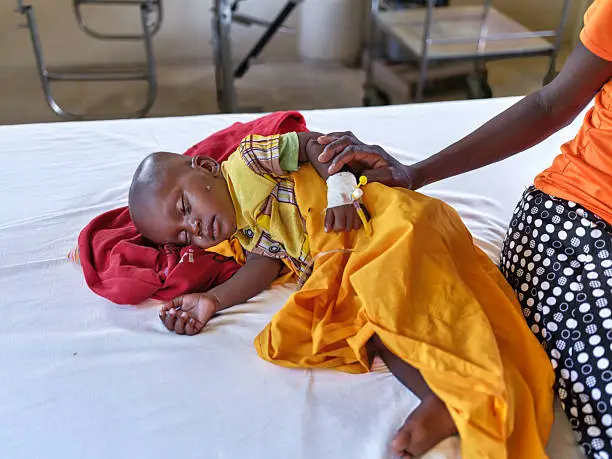
Learning how to avoid child malnutrition is important because good nutrition supports healthy growth, brain development, immunity and overall wellbeing. Malnutrition can occur when a child does not receive enough energy, protein, vitamins and minerals, or when illness affects the body’s ability to use nutrients properly. The first two years of life are particularly important because nutritional problems during this period can affect a child’s growth and development. WHO and UNICEF recommend exclusive breastfeeding for the first six months, followed by safe and nutritious complementary foods while breastfeeding continues up to two years or beyond.
-
Practise Exclusive Breastfeeding for the First Six Months
For most healthy infants, exclusive breastfeeding is recommended during the first six months. This means the baby receives breast milk without other foods or drinks, including water, unless medically indicated.
Breast milk provides important nutrients and helps protect babies from some infections. Mothers who experience difficulties with breastfeeding should seek support from a qualified healthcare professional.
-
Introduce Complementary Foods at Six Months
At around six months, breast milk alone no longer provides all the energy and nutrients a growing infant needs. Complementary foods should therefore be introduced while breastfeeding continues.
Begin with suitable soft foods and gradually increase the amount, thickness and variety as the child grows. WHO recommends starting complementary feeding at six months.
-
Give Children a Diverse Diet
One of the most effective ways to help prevent child malnutrition is to provide a variety of nutritious foods.
Children from six months should gradually receive foods from different food groups. These can include cereals and roots, legumes and nuts, dairy products, eggs, meat, fish, poultry, fruits and vegetables. A diverse diet helps provide the different nutrients needed for healthy growth.
-
Include Protein-Rich Foods
Protein is important for growth and the development and repair of body tissues. Depending on age and family circumstances, nutritious sources can include eggs, fish, meat, milk, yoghurt, beans, lentils, peas, groundnuts and other suitable legumes or nuts.
WHO recommends that young children consume animal-source foods such as meat, fish or eggs daily when these foods are available and appropriate.
-
Give Fruits and Vegetables Regularly
Fruits and vegetables provide vitamins, minerals, fibre and other nutrients that children need.
Try to include different fruits and vegetables in the child’s meals rather than relying on one type of food. Locally available seasonal produce can be a practical and affordable option.
-
Feed Children According to Their Age
Children have different nutritional requirements as they grow. Infants and young children need appropriately sized portions and suitable food textures.
WHO recommends two to three complementary meals daily for children aged six to eight months and three to four meals daily for children aged nine to 23 months, with nutritious snacks for older infants and young children when needed.
-
Practise Responsive Feeding
Pay attention to signs that a child is hungry or full. Encourage the child to eat without forcing them.
Caregivers should interact with young children during meals and create a calm environment that encourages eating. Responsive feeding is recommended by WHO for children aged six to 23 months.
-
Maintain Good Food Hygiene
Unsafe food and poor hygiene can expose children to infections that may contribute to poor nutrition and growth.
Wash hands before preparing food and before feeding the child. Use clean utensils and ensure food is properly prepared and stored. Safe food handling is an important part of complementary feeding.
-
Pay Attention to Feeding During Illness
Illness can reduce a child’s appetite and increase nutritional needs. During illness, continue breastfeeding and offer appropriate fluids and soft, nutritious foods as tolerated.
After the child recovers, continue providing nutritious meals to support recovery and healthy growth. WHO recommends increased fluid intake and continued breastfeeding during illness.
-
Monitor the Child’s Growth
Regular growth monitoring can help identify nutritional problems early.
Parents and caregivers should take children for routine health and growth assessments at a healthcare facility. Healthcare workers can monitor weight and other growth indicators and provide advice when a child is not growing as expected.
-
Avoid Relying on Sugary and Highly Processed Foods
Foods and drinks that are high in sugar but low in essential nutrients can displace more nutritious foods from a child’s diet.
Young children should be offered nutrient-dense foods instead of regularly filling up on sugary drinks, sweets and other foods with little nutritional value. WHO advises against low-nutrient drinks such as sugary soft drinks for young children.
-
Seek Medical Help When a Child Shows Warning Signs
Parents should seek professional medical or nutrition advice if a child is losing weight, has persistent diarrhoea, repeatedly refuses food, appears unusually weak, has swelling of the feet or legs, or is not growing as expected.
A child with suspected malnutrition may need assessment by a healthcare professional rather than home treatment alone. Early identification and appropriate care can help prevent complications.
Also Read: How to Integrate Grammarly to Word
Email your news TIPS to Editor@Kahawatungu.com — this is our only official communication channel
