


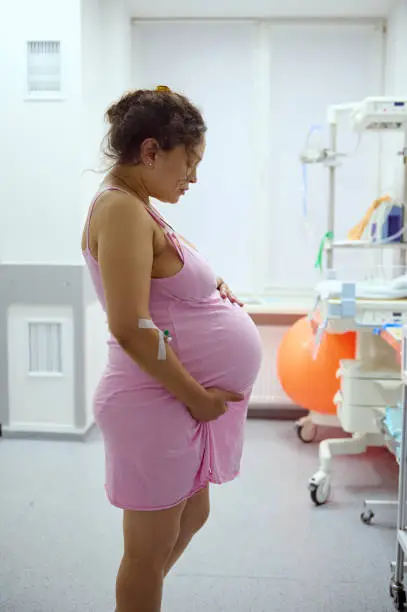
Learning how to avoid UTI during pregnancy is important because pregnancy can increase the risk of urinary tract infections. A UTI occurs when bacteria enter and multiply in the urinary system. If an infection is not treated during pregnancy, it can spread to the kidneys and may lead to serious complications. Pregnant women should therefore pay attention to urinary symptoms and attend recommended antenatal appointments where urine may be checked for infection.
-
Drink Plenty of Water
Staying adequately hydrated can help reduce the risk of urinary infections. Drinking water regularly encourages you to urinate, which can help flush bacteria from the urinary tract.
Keep water available throughout the day and drink regularly rather than waiting until you become very thirsty. Your fluid needs can vary during pregnancy, so follow advice from your healthcare provider if you have been given specific fluid restrictions.
-
Do Not Hold Your Urine
Go to the toilet when you feel the need to urinate instead of holding it for long periods.
Try to empty your bladder fully when using the toilet. Regularly delaying urination can make it more difficult to maintain good urinary habits.
-
Wipe From Front to Back
After using the toilet, wipe from the front toward the back.
This helps reduce the possibility of transferring bacteria from the area around the anus toward the urethra. Bacteria such as E. coli are a common cause of UTIs, making proper toilet hygiene particularly important.
-
Urinate After Sexual Intercourse
Emptying your bladder soon after sexual intercourse may help reduce the amount of bacteria that can remain around the urinary opening.
This is a simple hygiene habit that may be particularly useful for women who are prone to recurrent UTIs.
-
Keep the Genital Area Clean
Wash the external genital area regularly and keep it clean and dry.
Avoid using heavily perfumed soaps, bubble baths, vaginal deodorants or other scented products around the genital area because they can cause irritation. Plain water or gentle, unscented products are generally preferable.
-
Wear Comfortable Cotton Underwear
Choose clean, comfortable underwear that allows the genital area to remain relatively dry and well ventilated.
Loose-fitting clothing can also be more comfortable during pregnancy. If underwear becomes damp or soiled, change it rather than remaining in it for long periods.
-
Practise Good Hand Hygiene
Wash your hands before and after using the toilet and before preparing food or eating.
Good hand hygiene helps reduce the spread of bacteria and is an important part of maintaining general health during pregnancy.
-
Attend Your Antenatal Appointments
Regular antenatal care is important because bacteria can sometimes be present in the urine without causing obvious symptoms.
Some pregnant women can therefore have what is known as asymptomatic bacteriuria. Healthcare professionals may recommend urine testing during pregnancy to identify infections early and determine whether treatment is necessary.
-
Pay Attention to UTI Symptoms
Do not assume that frequent urination during pregnancy automatically means you have a UTI because needing to urinate more often can be a normal pregnancy symptom.
However, burning or pain when urinating, cloudy or unusually smelly urine, blood in the urine, lower abdominal pain or back pain can indicate an infection. Contact your healthcare provider if these symptoms occur.
-
Do Not Self-Medicate With Antibiotics
If you suspect that you have a UTI, do not use leftover antibiotics or medication prescribed for someone else.
Pregnancy requires careful selection of medicines. A healthcare professional can assess your symptoms, arrange appropriate urine testing when necessary and prescribe treatment that is suitable for pregnancy.
-
Take a Suspected UTI Seriously
UTIs during pregnancy should not be ignored because an infection can spread from the bladder to the kidneys.
Seek medical attention promptly if you develop symptoms of a UTI. Early assessment and appropriate treatment can help reduce the risk of complications.
-
Seek Urgent Care for Severe Symptoms
Get urgent medical attention if urinary symptoms are accompanied by a high temperature, chills, significant back or side pain, blood in the urine, dizziness, unusual drowsiness or feeling seriously unwell.
These symptoms can indicate that an infection has spread to the kidneys or that a more serious infection is developing.
Also Read: How to Integrate Grammarly to Word

Email your news TIPS to Editor@Kahawatungu.com — this is our only official communication channel
