


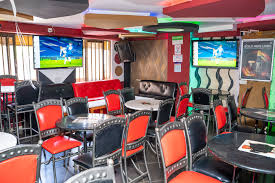
Bar owners in Kisii County have raised concerns over what they term as excessive taxation and multiple licensing requirements, warning that the high cost of compliance is forcing many operators out of business.
Officials from the Kisii Bar Owners Association said on Friday that the numerous county levies and permits required to run a bar have become increasingly difficult for small and medium-sized operators to sustain.
Association Secretary General Evans Nyaboga told Kahawatungu that several members have already shut down their establishments due to the rising operational costs.
“We are being forced to pay numerous licences every year, and the cumulative cost is simply too high,” Nyaboga said. “By the time you clear all the required fees, there is barely anything left to run the business.”
Under current regulations in Kisii County, bar owners must obtain several licences and permits issued by the county government under finance laws and alcohol control regulations.
The most essential is the general retail alcoholic drinks licence, which allows bars to sell alcohol for consumption on the premises. The cost varies depending on the size and classification of the establishment.
Small bars operating in sub-counties pay up to Sh20,000 annually, while medium and larger establishments can pay between Sh30,000 and Sh60,000 depending on capacity and location.
Applicants must also pay an application fee of about Sh1,000 each year.
In addition to the liquor licence, operators must obtain a single business permit, which authorizes the premises to operate legally within the county and must be renewed annually.
Bar owners are also required to secure a public health certificate, confirming that the premises meet sanitation and hygiene standards set by county health officers. Regular inspections are conducted to ensure compliance.
A fire safety certificate is another requirement, verifying that the premises meet fire safety standards such as having fire extinguishers and adequate emergency exits.
Establishments that play music must also obtain music copyright licences from organizations that manage musicians’ rights, allowing them to play recorded or live music legally.
In cases where bars prepare or serve food, staff are required to hold food handling or food hygiene certificates.
County authorities say these licences are necessary to regulate the alcohol sector, safeguard public health and safety, and generate revenue for county services.
However, officials from the bar owners’ association say the large number of requirements has become untenable and is pushing many businesses into losses.
They warned that continued pressure from the levies could lead to more closures, job losses, and ultimately reduced revenue for the county government.
Nyaboga, who also serves as chairperson of bar owners in Ogembo Sub-county, called on Kisii Governor Simba Arati to review the licensing framework and consolidate the charges into a more streamlined and affordable system.
“We are not refusing to pay taxes,” Nyaboga said. “What we want is fairness and a structure that allows us to operate sustainably.”
Richard Mose, chairperson of bar owners in the Tendere area, said the association plans to formally petition the county government and engage officials in dialogue to find a lasting solution.
He added that bar operators remain hopeful that discussions with the county administration will lead to reforms that support small and medium-sized hospitality businesses while still enabling the government to collect revenue

Email your news TIPS to Editor@Kahawatungu.com — this is our only official communication channel
