


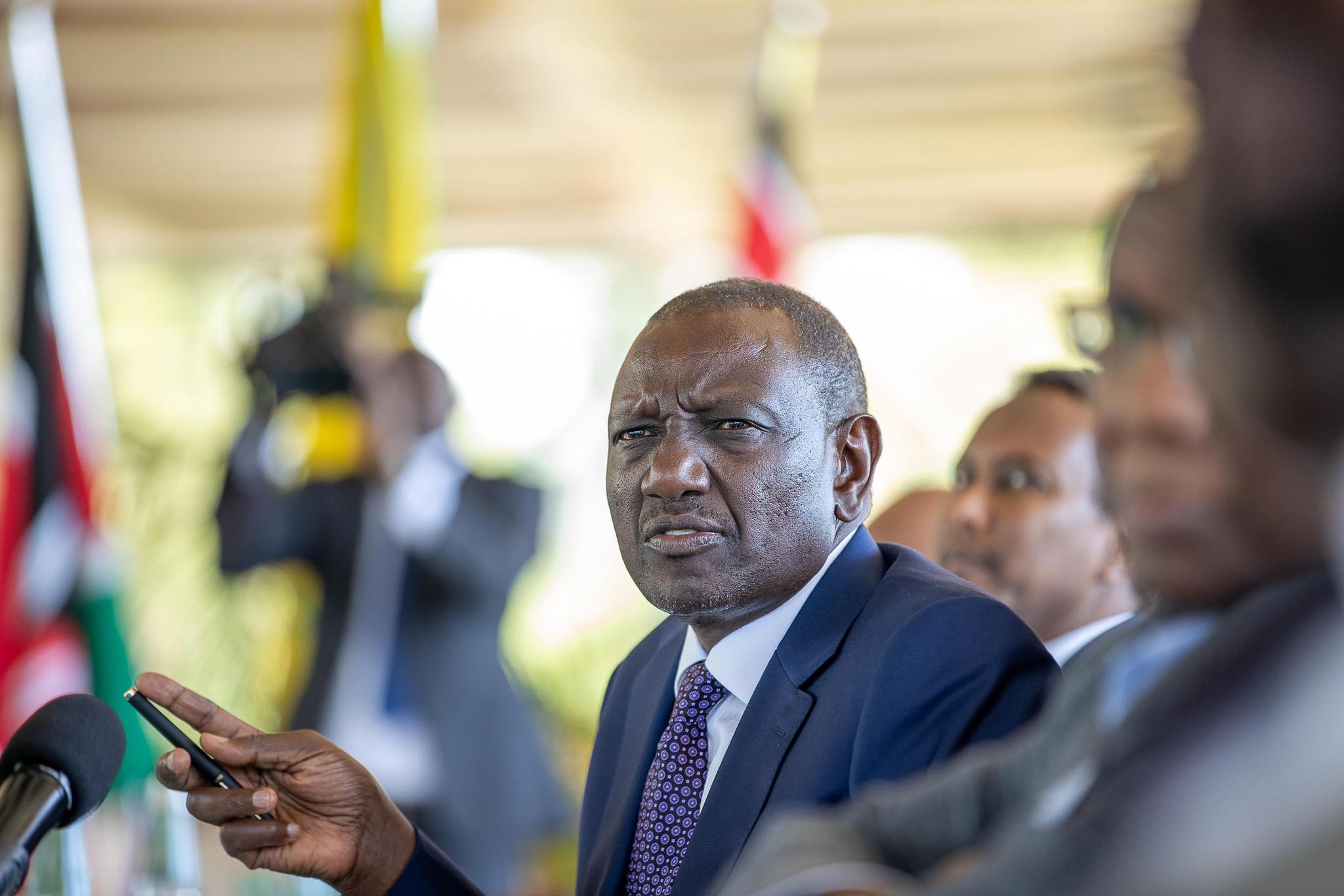
The High Court ruled that President William Ruto acted outside his constitutional powers when he formed a panel of experts to design a compensation framework for victims of protests.
Justice Edward Muriithi held that although the President is mandated to safeguard human rights under Articles 131(e) and 132(5) of the Constitution, he cannot establish an ad hoc body to perform functions already assigned to the Kenya National Commission on Human Rights (KNCHR), the principal state organ responsible for ensuring compliance with human rights treaties and conventions.
Justice Muriithi has gave the government 30 days to amend the proclamation and gazette notice constituting the panel in accordance with the court’s findings.
The court also directed KNCHR to “take steps to secure appropriate redress where human rights have been violated”.
“In default of amendment within the period of 30 days granted the judicial review orders of certiorari to quash the proclamation and the gazette notice subject of this consolidated petition and prohibition to restrain their implementation shall issue as prayed in the petition,” said Muriithi
The ruling stems from a petition filed by advocate Levi Munyeri, who challenged the President’s August 6 proclamation and Gazette Notice No. 12002 of August 25, which appointed a 21-member panel chaired by Prof. Makau Mutua.
The panel had been tasked with verifying victims of protests since 2017, recommending reparations, proposing prosecutions, and crafting a national compensation structure.
Munyeri argued that the panel unlawfully usurped KNCHR’s exclusive constitutional mandate, bypassed Parliament’s authority over public funds, duplicated functions already established under the Victims Protection Act, 2024, and risked violating privacy rights through expansive data access.
In his judgement, Justice Muriithi agreed that the President had overstepped.
He declared the proclamation and the gazette notice constitutionally invalid.
The Court however said, the appropriate remedy is not to quash the proclamation and the gazette notice appointing the panel, but to allow the government to amend them so they align with the constitutional framework for seeking a report from KNCHR and publishing it.
“It appears to be a case of good intentions, bad execution and it is not necessary to quash the proclamation if it suitably amended to stay within the president’s constitutional lane,” ruled the court
The judge directed that any framework for reparations must be developed by KNCHR, which may form its own expert group within its constitutional and statutory mandate.
The Commission’s report will then be submitted to the President, becoming the basis for executive or legislative action.
The matter will be mentioned on January 20, 2026 for confirmation of compliance.
Email your news TIPS to Editor@Kahawatungu.com — this is our only official communication channel
