


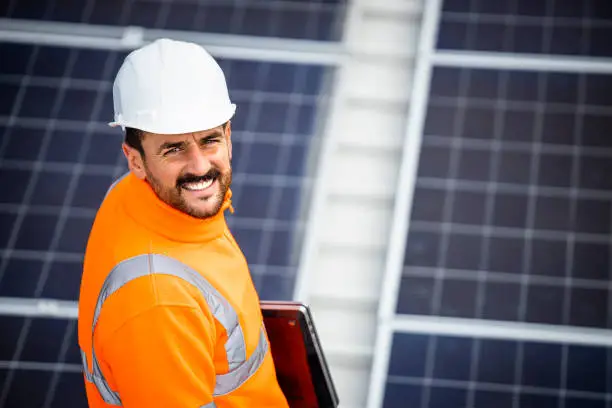
The demand for renewable energy is growing worldwide, and solar power is at the heart of this transition. With more homes and businesses adopting solar systems, the need for skilled and accredited solar installers is higher than ever. Becoming an accredited solar installer not only allows you to work legally in the renewable energy sector but also builds trust with clients and opens more business opportunities. If you are interested in a career that combines technical expertise with sustainability, this is a rewarding path to follow. Here is how to become an accredited solar installer.
- Understand What Solar Installers Do
A solar installer is responsible for setting up, maintaining, and sometimes designing solar photovoltaic (PV) systems. The role involves working with electrical components, panels, wiring, and safety systems to ensure installations meet technical and regulatory standards. Accreditation proves that you are trained, skilled, and authorized to carry out solar installations safely and professionally. - Get Basic Educational Qualifications
Most solar installer careers begin with a foundation in electrical work or engineering. Having a high school certificate with strong math and science subjects is helpful. Many training providers also require candidates to have basic electrical knowledge before enrolling. If you are already a qualified electrician, you will find the transition to solar installation much easier. - Enroll in a Solar Installation Training Course
To become accredited, you must complete an approved solar installation training program. These courses are offered by recognized technical training institutions or renewable energy organizations. Training usually covers solar panel technology, system design, installation practices, electrical safety, and compliance with national standards. Courses often combine classroom learning with practical, hands-on training. - Gain Practical Experience
Experience is critical in this field. After training, you will need supervised practice under a licensed or accredited solar installer. This allows you to apply theoretical knowledge, learn troubleshooting skills, and understand how to handle different types of installations. Employers and accreditation boards value real-world experience as it ensures you can work safely and efficiently. - Apply for Accreditation
Once you have the required training and experience, you can apply for accreditation from the relevant renewable energy authority in your country. Accreditation bodies vary by region, but they typically assess your qualifications, training certificates, and practical experience. After approval, you will be recognized as a professional solar installer authorized to handle installations that comply with legal and safety standards. - Stay Updated with Industry Standards
Solar technology is constantly evolving, with new systems, safety rules, and innovations emerging regularly. Accredited installers must keep up with industry changes through refresher courses and professional development programs. Maintaining accreditation often requires ongoing learning to ensure installations meet the latest standards. - Build Your Career and Reputation
After becoming accredited, you can work for a solar installation company, start your own business, or partner with contractors in the renewable energy sector. Building a reputation for quality, safety, and reliability will help you grow your career. Clients are more likely to trust accredited professionals, giving you an advantage in the competitive solar industry.
Also Read: How To Become A South African Citizen
Email your news TIPS to Editor@Kahawatungu.com — this is our only official communication channel
