


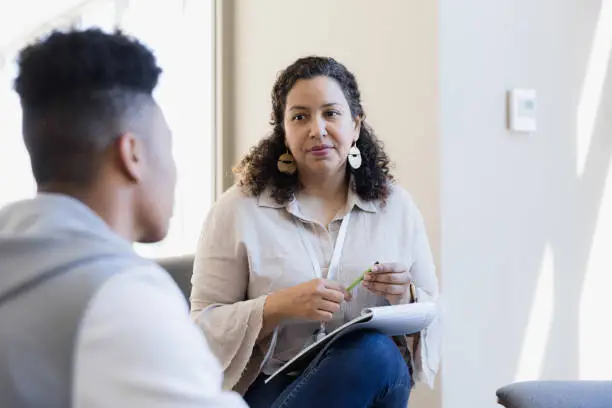
Educational psychology is a rewarding field that focuses on understanding how people learn and supporting their development in schools and other educational settings. Educational psychologists work with learners, teachers, parents, and schools to identify learning difficulties, emotional challenges, and behavioral issues. They then design strategies and interventions to help learners achieve their full potential. In South Africa, becoming an educational psychologist requires dedication, formal training, and registration with the right professional bodies. Here is how to become an educational psychologist in South Africa.
Understand the Role of an Educational Psychologist
Before pursuing this career, it is important to know what the work involves. Educational psychologists assess learning and developmental needs, provide counseling, and develop programs that support academic and personal growth. They often collaborate with schools and communities to improve learning environments. Their work is not only about addressing problems but also about promoting mental well-being and creating supportive spaces for learners to thrive.
Meet the Educational Requirements
To qualify as an educational psychologist in South Africa, you must first obtain a Bachelor’s degree in Psychology or a related field. Good choices include a Bachelor of Arts (BA) in Psychology or a Bachelor of Social Science (BSocSci). These degrees provide the foundation for advanced studies.
After completing your undergraduate degree, you need to pursue an Honours degree in Psychology. This is followed by a Master’s degree in Educational Psychology, which is offered by several South African universities. The Master’s program is intensive and includes coursework, research, and practical training.
Complete Practical Training and Internships
As part of your Master’s program, you will be required to complete supervised practical training. This internship period usually takes place in schools, clinics, or educational centers where you work under the guidance of experienced professionals. The aim is to equip you with hands-on skills in assessment, counseling, and intervention.
Register with the Health Professions Council of South Africa (HPCSA)
Once you have successfully completed your Master’s degree and internship, you must register with the Health Professions Council of South Africa (HPCSA) in the category of Educational Psychologist. Registration is mandatory for anyone who wants to practice legally in South Africa. The HPCSA ensures that professionals meet ethical and professional standards before they are allowed to work with the public.
Develop Essential Skills
Being an educational psychologist requires more than academic qualifications. You need excellent communication skills to interact with learners, teachers, and parents. Strong problem-solving and analytical skills are important for understanding complex learning and behavioral issues. Empathy, patience, and cultural sensitivity are also key traits since you will be working with individuals from diverse backgrounds.
Commit to Continuous Professional Development
Education and psychology are fields that constantly evolve. As an educational psychologist, you will need to stay updated with the latest research, methods, and best practices. Attending workshops, seminars, and short courses is an important part of maintaining your professional registration and improving your skills.
Also Read: How To Become An Accountant
Email your news TIPS to Editor@Kahawatungu.com — this is our only official communication channel
