


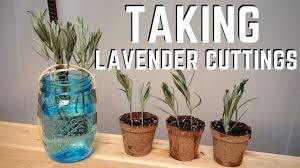
Lavender is a fragrant herb loved for its beauty, calming scent, and multiple uses. Instead of growing it from seed—which takes longer and can be tricky—you can grow new lavender plants from cuttings. This method is faster, easier, and ensures the new plant keeps the qualities of the parent. Here is how to grow lavender from cuttings.
- Choose a Healthy Lavender Plant
Select a strong, mature lavender plant with no signs of disease or damage. Take your cuttings during spring or early summer when the plant is actively growing. Choose non-flowering stems for better rooting success. - Cut the Stem Properly
Use clean, sharp scissors or pruning shears to cut a 10–15 cm stem just below a leaf node. Softwood cuttings (from newer growth) root faster, while hardwood cuttings (from older stems) are tougher and take longer to root. - Remove Lower Leaves
Gently strip the leaves from the bottom half of the cutting. This exposed area will go into the soil. You can also dip the cut end in rooting hormone powder to encourage faster root development, though this step is optional. - Prepare the Pot and Soil
Use a small pot with drainage holes and fill it with a light, well-draining mix like sandy soil or cactus potting mix. Water the soil lightly to moisten it before planting the cuttings. - Plant the Cutting
Make a small hole in the soil and insert the cut end of the lavender stem about halfway in. Firm the soil gently around it to keep it upright. You can place multiple cuttings in one pot, leaving a little space between them. - Create a Humid Environment
Cover the pot with a clear plastic bag or dome to trap humidity, but make sure it doesn’t touch the leaves. Keep the pot in a bright spot with indirect sunlight. Remove the cover for a few minutes daily to allow air circulation and prevent mold. - Water Carefully
Water the cuttings lightly to keep the soil slightly damp but never soggy. Overwatering can cause the stems to rot. After two to four weeks, roots should begin to form. - Transplant When Ready
Once the cuttings have developed strong roots and new growth appears, they are ready to be transplanted. Move them to individual pots or directly into your garden in a sunny area with well-drained soil.
Also Read: How To Fix Backlight On TV
Email your news TIPS to Editor@Kahawatungu.com — this is our only official communication channel
