


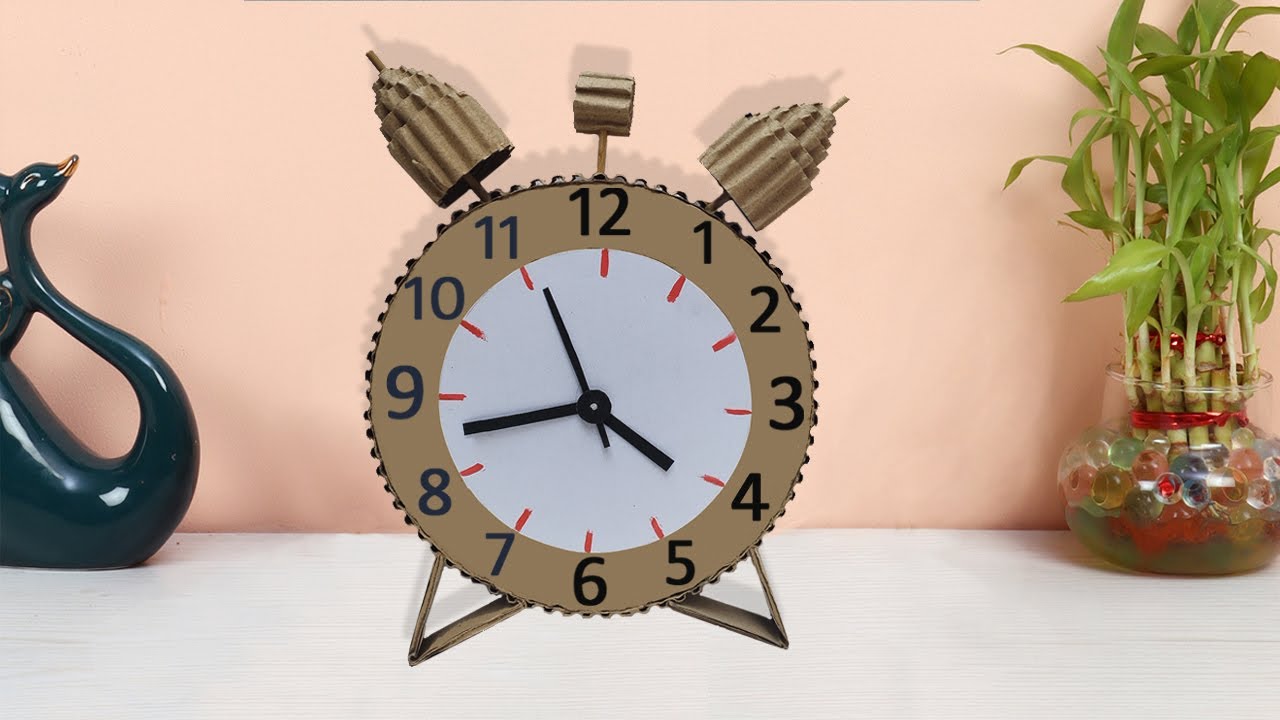
How to make a clock is a practical and educational project that helps you understand how timekeeping works while creating a useful item for your home, school project, or workshop. Making a clock can be simple or detailed depending on the materials you choose, but the basic principles remain the same. With common supplies and careful assembly, you can build a working clock that is both functional and visually appealing.
-
Decide the type of clock you want to make
Before starting, it is important to choose what kind of clock you want to create. This determines the materials and level of difficulty. Common clock types include:
- Wall clocks for home or office use
- Desk or table clocks
- Learning clocks for school projects
- Decorative clocks for display
Choosing a clear type helps guide design and size decisions.
-
Gather the required materials
Having all materials ready makes the process easier and faster. Basic clock-making materials are easy to find. You will need:
- A clock mechanism with hands
- A clock face or base material like cardboard, wood, or plastic
- Numbers or markers
- A ruler and pencil
- Glue or tape
- Batteries for the clock mechanism
Using a ready-made clock mechanism simplifies the project.
-
Prepare the clock face
The clock face is the visible part of the clock and should be neat and readable. To prepare it properly:
- Cut the base into a round or square shape
- Mark the center point accurately
- Draw guidelines to position numbers evenly
A well-prepared clock face improves accuracy and appearance.
-
Install the clock mechanism
The clock mechanism is the heart of the clock and must be installed correctly for proper movement. Follow these steps:
- Make a small hole at the center of the clock face
- Insert the clock mechanism shaft through the hole
- Secure it tightly at the back
Ensuring the mechanism is centered prevents uneven hand movement.
-
Attach the clock hands
Clock hands must be attached in the correct order to function properly. When attaching them:
- Fix the hour hand first
- Add the minute hand next
- Attach the second hand last if included
Make sure the hands move freely without touching each other.
-
Add numbers or time markers
Numbers help make the clock easy to read. You can use printed numbers, stickers, or handwritten markings. When adding them:
- Place the number 12 at the top
- Space numbers evenly around the face
- Ensure all numbers are straight and visible
Accurate placement improves time reading.
-
Test the clock movement
Before finishing, test the clock to ensure it works properly. To do this:
- Insert the battery
- Set the correct time
- Observe the movement of the hands
Testing helps identify any alignment issues early.
-
Decorate and personalize the clock
Once the clock works correctly, you can decorate it to match your style or purpose. Decoration ideas include:
- Painting the clock face
- Adding patterns or designs
- Using themed decorations for kids or events
Personal touches make the clock unique.
-
Mount or place the clock
The final step is deciding where to put your clock. Depending on the design:
- Hang it on a wall using a hook
- Place it on a desk or shelf
- Secure it for classroom display
Proper placement ensures safety and visibility.
Also Read: How to Make a Cardboard Guitar
Email your news TIPS to Editor@Kahawatungu.com — this is our only official communication channel
