


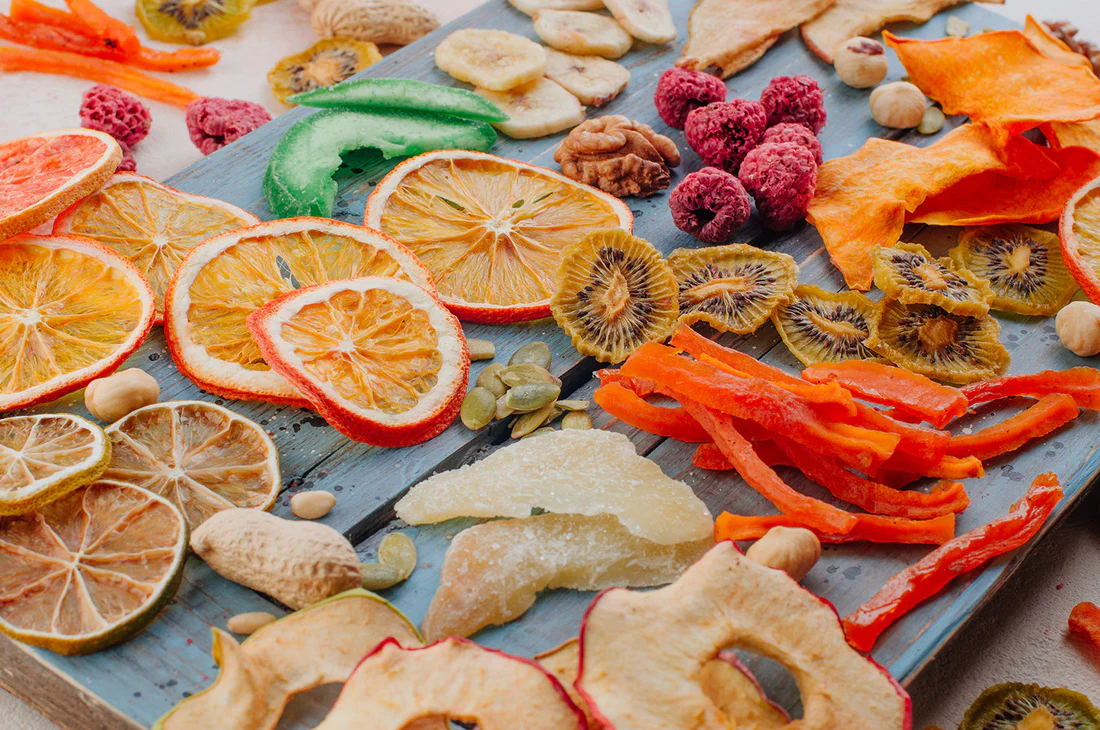
Learning how to make dried fruit at home is a simple and cost-effective way to preserve fresh produce for longer use. Drying fruit removes most of its moisture, which helps prevent spoilage while concentrating natural sweetness and flavor. Dried fruit can be enjoyed as a snack, added to cereals, baked into bread, or used in cooking. In many parts of the world, including countries such as Kenya and South Africa, drying fruit is a practical way to reduce waste during peak harvest seasons.
Making dried fruit at home gives you full control over the ingredients. You avoid added preservatives, excess sugar, and artificial colors often found in commercial products. With proper preparation and drying techniques, you can produce healthy, long-lasting snacks using common kitchen equipment.
-
Choosing the Right Fruit
The first step in learning how to make dried fruit is selecting fresh, ripe produce. Choose fruit that is firm, free from bruises, and not overly soft. Popular options include mangoes, bananas, apples, pineapples, pawpaw, and berries.
Ripe fruit provides the best flavor once dried. However, avoid fruit that is too ripe because it can become mushy during preparation. Wash all fruit thoroughly under clean running water to remove dirt and residues.
-
Preparing the Fruit for Drying
Peel the fruit if necessary, then slice it into even pieces. Uniform slices are important because they dry at the same rate. Thin slices dry faster, while thicker pieces take longer and may remain moist inside.
For fruits like apples and bananas that brown quickly, soaking the slices briefly in lemon water can help maintain color. Simply mix lemon juice with water and dip the fruit for a few minutes before draining.
Pat the slices dry with a clean cloth or paper towel before arranging them for drying. Excess surface moisture can slow the drying process.
-
Drying Methods You Can Use
There are several effective ways to dry fruit at home.
Sun drying works well in hot, dry climates. Place the fruit slices on a clean tray lined with baking paper or mesh. Cover lightly with a thin cloth to protect from insects. Leave the tray in direct sunlight for several days, bringing it indoors at night to prevent moisture absorption.
Oven drying is faster and more controlled. Arrange fruit slices in a single layer on a baking tray. Set the oven to the lowest temperature and leave the door slightly open to allow moisture to escape. Turn the slices occasionally to ensure even drying.
A food dehydrator is another reliable option if available. It maintains consistent airflow and temperature, producing evenly dried fruit with minimal effort.
-
Testing and Storing Dried Fruit
Properly dried fruit should be flexible but not sticky. It should not release moisture when squeezed. If it feels wet or very soft, continue drying.
Allow the fruit to cool completely before storing. Place it in airtight containers or sealed plastic bags. Store in a cool, dry place away from direct sunlight. For longer storage, refrigeration is recommended.
Also Read: How to Make Crochet Handbags
Email your news TIPS to Editor@Kahawatungu.com — this is our only official communication channel
