


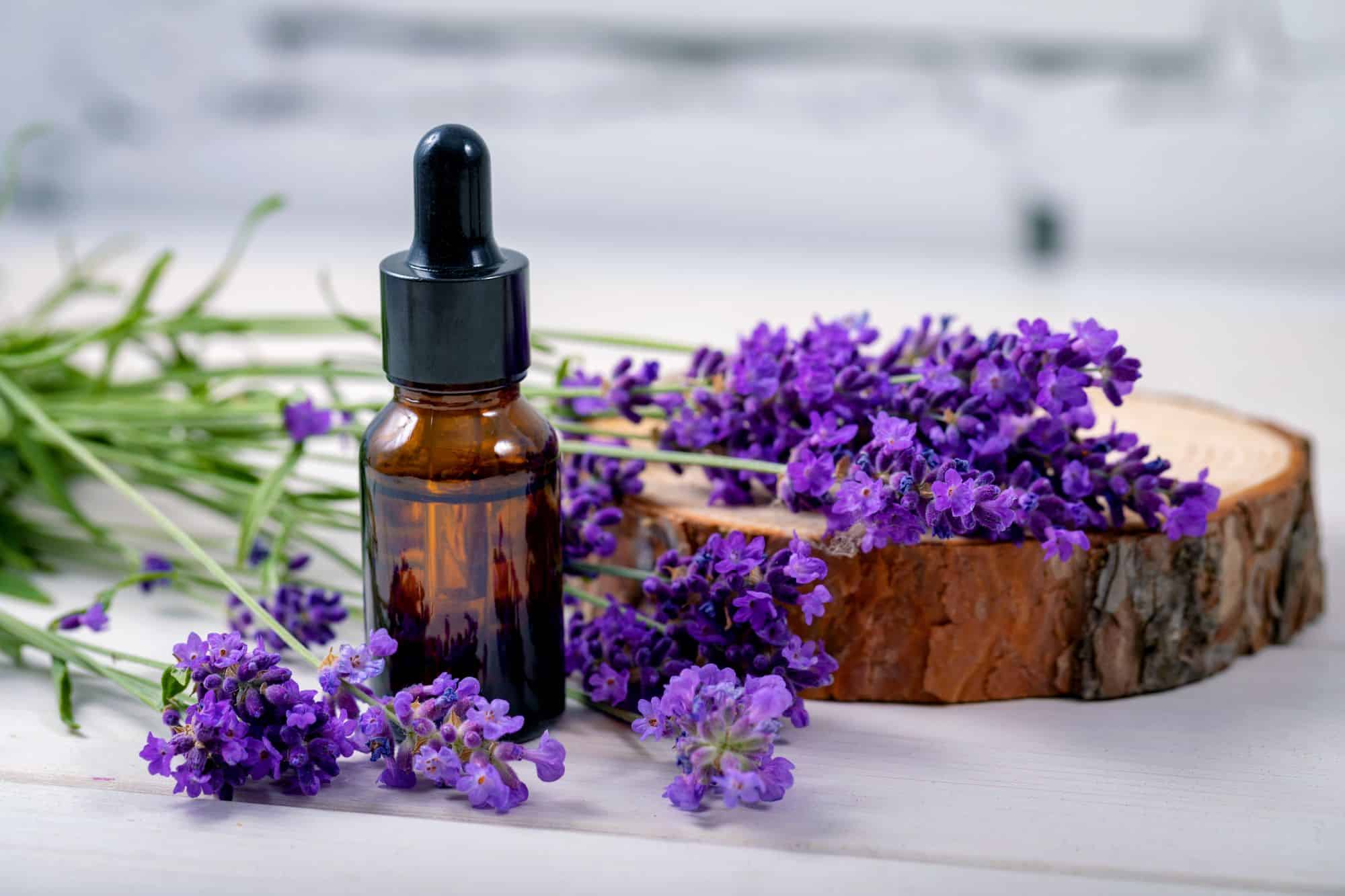
If you enjoy natural remedies and calming scents, learning how to make lavender oil at home is a rewarding and practical skill. Lavender oil is widely known for its soothing aroma, relaxing properties, and versatile uses in skincare and home care. The oil is derived from the lavender plant, scientifically known as Lavandula angustifolia, which has been valued for centuries in herbal traditions.
Homemade lavender oil is technically an infused oil rather than a distilled essential oil. True essential oil requires steam distillation equipment, but infused lavender oil can easily be prepared in your kitchen using dried flowers and a carrier oil. This version is perfect for massage, mild skincare applications, and aromatherapy.
-
Gather Your Ingredients and Supplies
Preparation is key to achieving a clean, high-quality infusion.
You will need:
- 1 cup dried lavender buds
- 1 to 1½ cups carrier oil
- A clean glass jar with a lid
- A fine strainer or cheesecloth
- A dark glass bottle for storage
Good carrier oil options include:
- Sweet almond oil
- Olive oil
- Jojoba oil
- Coconut oil
Choose a mild-smelling oil so the lavender fragrance stands out.
-
Use Dried Lavender, Not Fresh
Always use dried lavender buds rather than fresh flowers. Fresh lavender contains moisture, which can cause mold or spoilage during infusion.
Ensure the lavender is:
- Completely dry
- Free from pesticides
- Clean and debris-free
If you harvest it yourself, allow it to dry fully in a shaded, well-ventilated space before use.
-
Combine Lavender and Oil
Place the dried lavender buds into your clean jar. Pour the carrier oil over the flowers until they are fully submerged.
Make sure:
- No lavender sticks out above the oil
- The jar is not overfilled
- There are no air bubbles trapped inside
Seal the jar tightly.
-
Infuse the Oil
There are two main methods for infusion.
For the slow method, place the jar in a warm, sunny spot for 2 to 4 weeks. Shake it gently every few days to help release the plant’s natural compounds.
For the quicker method, use gentle heat. Place the jar in a bowl of warm water and maintain low heat for 2 to 5 hours. Do not boil or overheat the oil, as excessive heat can damage its beneficial properties.
Both methods extract the soothing scent and properties of lavender into the carrier oil.
-
Strain the Oil
After the infusion period, strain the oil through a fine strainer or cheesecloth into a clean bowl.
Press the lavender buds gently to extract as much oil as possible. Discard the used plant material.
The strained oil should have:
- A light golden color
- A pleasant floral aroma
- A smooth texture
-
Store Properly
Pour the strained lavender oil into a dark glass bottle. Store it in a cool, dry place away from direct sunlight.
Properly stored infused oil can last up to six months. If you notice a sour smell or cloudiness, discard it.
-
How to Use Lavender Oil
Homemade lavender oil is versatile and gentle.
You can use it:
- As a massage oil
- In bath water
- For light skin moisturising
- To soothe dry scalp
- As a natural room fragrance
Always perform a patch test before applying it to your skin, especially if you have sensitive skin.
Also Read: How to Make Flowers Out of Ribbon
Email your news TIPS to Editor@Kahawatungu.com — this is our only official communication channel
