


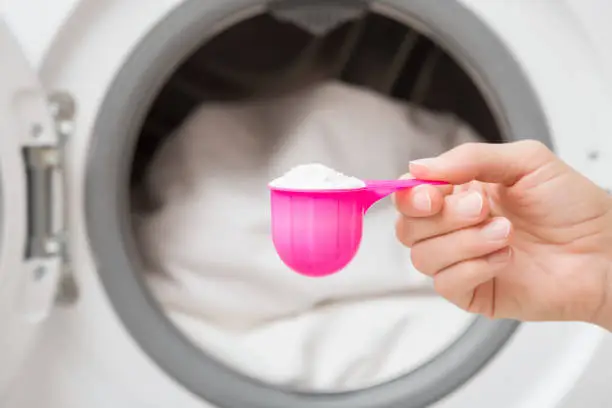
Homemade washing powder is an affordable and eco-friendly alternative to commercial laundry detergents. It contains fewer chemicals, is gentle on skin, and is easy to make using basic household ingredients. Below is a simple guide on how to make washing powder.
- Gather the Ingredients
To make a basic batch of washing powder, you will need:
- 1 bar of pure soap (such as Sunlight, Castile, or any unscented soap)
- 1 cup of washing soda (sodium carbonate)
- 1 cup of baking soda (sodium bicarbonate)
- Optional: 10–20 drops of essential oil (like lavender, tea tree, or lemon)
These ingredients clean clothes effectively and are safe for most washing machines.
- Grate the Soap
Start by grating the bar of soap using a hand grater or food processor. The soap should be finely grated to ensure it dissolves quickly in water.
If you’re making a large batch, consider grating several bars of soap at once and storing the flakes in an airtight container for future use.
- Mix the Powders
In a large bowl, combine the grated soap, washing soda, and baking soda. Stir thoroughly to ensure everything is evenly mixed.
If you want to add a fragrance, now is the time to add a few drops of your preferred essential oil. Mix again so the scent spreads through the powder.
- Store the Washing Powder
Transfer the mixture into a dry, airtight container or jar. Label the container clearly and keep it away from moisture to prevent clumping.
A plastic or glass jar with a lid works well. You can also include a small scoop for easy measuring.
- Use the Washing Powder
For a standard load of laundry, use 2 to 3 tablespoons of the homemade washing powder. Add it directly into the drum of the washing machine or into the detergent compartment.
This powder works well with both cold and warm water, although warmer water helps the soap dissolve faster.
- Tips and Variations
- For heavy-duty cleaning, you can add a tablespoon of oxygen bleach to the wash.
- If you have hard water, consider adding more washing soda or using vinegar as a fabric softener.
- Avoid using this detergent on wool or silk fabrics, as the alkalinity may damage delicate fibers.
Also Read: How To Make Steam Pudding
Email your news TIPS to Editor@Kahawatungu.com — this is our only official communication channel
