


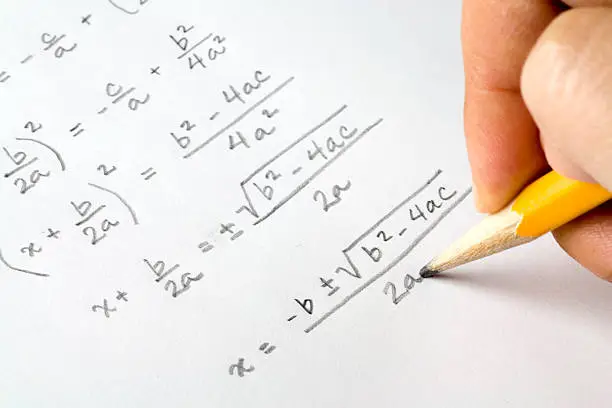
Mathematics can be challenging for many students, but with the right approach, preparation becomes much easier. Unlike subjects that rely mainly on memorization, maths requires practice, understanding of concepts, and consistent effort. Here’s how to prepare for maths exam.
- Understand the Exam Topics
Begin by identifying the topics that will be covered in the exam. Go through your syllabus, class notes, or ask your teacher for guidance. Write down all the chapters or concepts that are likely to appear, such as algebra, geometry, trigonometry, or calculus.
This will help you create a focused study plan and avoid wasting time on areas that are not being tested.
- Gather All Necessary Materials
Before you start studying, collect all your textbooks, exercise books, past papers, a calculator, geometry set, and writing materials. Keep everything in one place so you can study without interruptions.
If any formulas, theorems, or methods are unclear, mark them and plan to review or ask for help.
- Create a Study Timetable
Break down your study time into manageable sessions. Assign time slots to each topic depending on how difficult or important it is. Don’t forget to include short breaks to rest your mind.
A good study plan prevents last-minute cramming and helps you stay on track.
- Focus on Understanding Concepts
In maths, understanding is more important than memorization. Take time to learn how formulas work, why steps are followed in certain ways, and what each concept means. Try to explain a topic in your own words or teach someone else to see if you really understand it.
Use videos or tutorials if classroom explanations were unclear.
- Practice Regularly
Practice is the key to mastering maths. Solve different types of problems from your textbook, worksheets, and past exam papers. Start with simple exercises and move on to more difficult ones. For students who need extra guidance, Alexander tutoring can provide tailored practice and explanations to reinforce learning
Make sure you complete each question fully and check your answers. If you make a mistake, go back and understand where you went wrong.
- Memorize Key Formulas
Some formulas and identities must be memorized, such as the area of shapes, quadratic formula, or trigonometric identities. Write them down on flashcards or a separate sheet and revise them often.
Practice applying them in real questions so you remember not just the formula but how to use it correctly.
- Do Past Papers and Timed Tests
Take mock exams or solve past papers under timed conditions. This helps you manage your time during the real exam and identify areas where you need more practice.
Review your answers, spot patterns in the types of questions asked, and focus on improving your speed and accuracy.
- Ask for Help When Stuck
Don’t hesitate to ask your teacher, tutor, or a classmate if you don’t understand something. Joining a study group can also help, as discussing questions with others can deepen your understanding.
Use online resources, videos, or maths apps to clarify doubts.
- Prepare Mentally and Physically
In the days before the exam, avoid late-night study sessions. Get enough rest, eat well, and stay hydrated. Being alert and calm on exam day is just as important as studying.
Believe in your preparation, stay positive, and approach the paper with confidence.
Also Read: How To Make Steam Pudding
Email your news TIPS to Editor@Kahawatungu.com — this is our only official communication channel
