


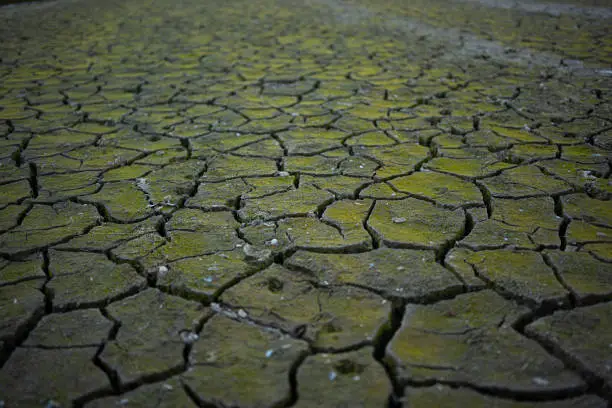
Desertification is the process where fertile land gradually turns into desert, often due to poor land management, deforestation, overgrazing, and climate change. It threatens food security, water supply, and biodiversity, especially in arid and semi-arid regions. Preventing desertification requires a combination of environmental, agricultural, and social efforts. Here’s how to prevent desertification.
- Practice Sustainable Farming
Over-cultivation and improper farming techniques deplete soil nutrients and increase erosion. Farmers can prevent this by rotating crops, using organic compost, and avoiding chemical overuse. Conservation tillage methods, like minimum soil disturbance, help maintain soil structure and reduce moisture loss.
Planting cover crops and leaving crop residues in the field also protects the soil from wind and water erosion.
- Reforest and Plant Trees
Trees help stabilize the soil, retain moisture, and act as windbreaks. Planting trees, shrubs, and grasses in vulnerable areas creates natural barriers against desertification. Afforestation (planting trees where there were none before) and reforestation (restoring deforested areas) are powerful tools to reverse land degradation.
Local communities can be involved in tree planting drives and managing community forests.
- Manage Water Wisely
Water scarcity contributes significantly to desertification. It’s important to use water efficiently through drip irrigation, rainwater harvesting, and building check dams or water pans. Mulching around plants helps retain soil moisture and reduce evaporation.
Governments and local councils can support the development of small-scale irrigation projects that do not overburden the water table.
- Control Overgrazing
Allowing too many livestock to graze on the same land strips vegetation and leads to bare, erodible soil. To prevent this, farmers and herders can rotate grazing areas and limit the number of animals per area. Planting grass and fencing off sections of land for recovery also helps restore vegetation cover.
Community-led grazing management can ensure long-term pasture health.
- Restore Degraded Land
Already degraded land can be revived through soil conservation techniques like terracing, contour ploughing, and building stone bunds. Adding organic material to improve soil fertility and creating windbreaks to block erosion are effective rehabilitation methods.
In some regions, introducing drought-resistant plant species helps re-establish vegetation.
- Raise Awareness and Involve Communities
Educating people on the causes and impacts of desertification helps build support for prevention efforts. Community involvement in conservation projects, land-use planning, and local decision-making ensures sustainable practices are adopted and maintained.
School programs, village meetings, and media campaigns can help spread awareness and mobilize action.
Also Read: How To Make Steam Pudding
Email your news TIPS to Editor@Kahawatungu.com — this is our only official communication channel
