


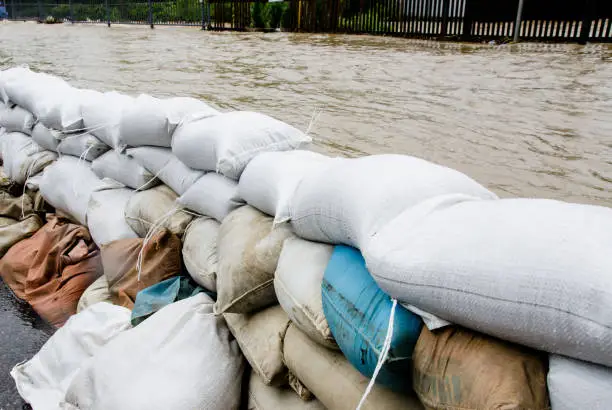
Floods are natural disasters that occur when excess water accumulates on land that is usually dry. They can result from heavy rainfall, overflowing rivers, blocked drainage, or coastal storms. While floods cannot always be avoided, there are practical steps individuals, communities, and governments can take to reduce their occurrence and impact. Below are key ways to help on how to prevent floods or reduce their effects.
- Maintain Drainage Systems
Blocked drains and ditches are one of the leading causes of local flooding. Regularly cleaning and maintaining stormwater drains, gutters, and culverts helps water flow freely during heavy rains.
At home, ensure that your yard or garden has proper drainage. Remove leaves, trash, and debris from drainage areas, and consider installing gravel or paving that allows water to soak into the ground.
- Plant Trees and Vegetation
Trees and plants play a major role in flood prevention. Their roots help absorb water and hold soil in place, reducing surface runoff. Reforestation and planting grass in bare areas can lower the risk of flash floods and erosion.
Communities can also plant vegetation along riverbanks to strengthen them and slow down water flow during rains.
- Build Water Channels and Embankments
Constructing proper channels to guide excess water away from populated areas helps manage runoff during storms. Embankments and levees built alongside rivers or lakes also prevent water from spilling into nearby land.
These structures must be regularly inspected and reinforced to ensure they can withstand strong water pressure.
- Avoid Building in Flood-Prone Areas
Urban development on floodplains or near rivers increases the risk of damage when floods occur. Local governments should regulate land use by discouraging construction in high-risk zones.
For existing buildings in such areas, measures like raising the foundation or using water-resistant materials can help reduce the damage caused by flooding.
- Harvest Rainwater
Rainwater harvesting systems collect and store rain from rooftops for later use. This reduces the amount of water that flows into storm drains during heavy rains, helping to lower the chances of urban flooding.
It also provides an extra water source for gardening, cleaning, or even household use if treated properly.
- Improve Early Warning and Response
Flood early warning systems help people prepare in advance by providing alerts about potential flooding. Radios, mobile messages, or public announcements can inform residents to evacuate or protect their property.
Community training on how to respond during flood events also helps reduce panic and loss when floods occur.
- Support Wetlands and Natural Water Storage
Wetlands act as natural sponges that absorb excess rainfall and release it slowly over time. Protecting and restoring wetlands, swamps, and natural floodplains can reduce flood risk in both rural and urban areas.
Nature-based solutions are often cheaper and more sustainable than man-made ones.
Also Read: How To Make Steam Pudding
Email your news TIPS to Editor@Kahawatungu.com — this is our only official communication channel
