


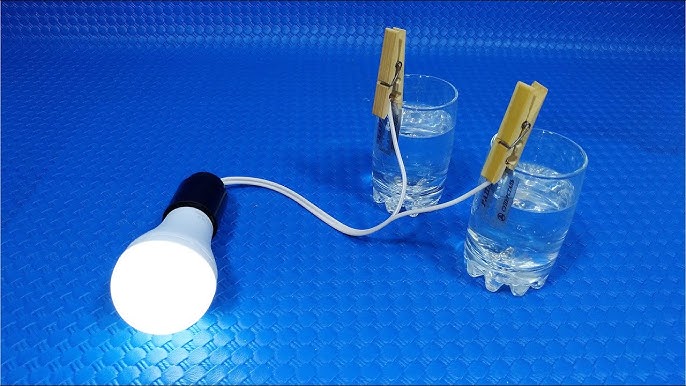
Generating electricity from water at home can be a sustainable way to reduce energy costs and reliance on the power grid. This process, known as micro-hydropower, uses the movement of water to generate electrical energy. While large-scale hydroelectric plants require significant infrastructure, small-scale water energy systems can be set up for home use, provided there is a suitable water source such as a stream, river, or even falling water from a height. Here is how to produce electricity from water at home.
Understanding the Basics of Hydropower
Hydropower works by converting the kinetic energy of moving water into mechanical energy using a turbine. The turbine then drives a generator to produce electricity. The amount of electricity generated depends on two main factors:
- Water flow – the volume of water moving per second
- Water pressure (head height) – the vertical distance the water falls before reaching the turbine
A higher water flow and a greater drop (head height) result in more electricity production.
Setting Up a Small-Scale Hydropower System
- Identifying a Suitable Water Source
To generate electricity from water at home, you need a steady and consistent water source. A natural stream, river, or even an artificial water flow like a rainwater collection system can work. The key is to ensure there is enough water movement and a sufficient height difference for gravitational force to create pressure.
- Installing a Water Intake System
The water intake system directs water toward the turbine. This can be a simple pipe or a channel that collects water from the source and guides it to the turbine. A filter should be placed at the intake to prevent debris from damaging the system.
- Choosing the Right Turbine
There are different types of water turbines depending on the water pressure and flow available:
- Pelton Wheel Turbine – Works best with high-pressure, low-flow water sources
- Francis Turbine – Suitable for moderate water flow and head height
- Crossflow Turbine – Effective for low-pressure, high-flow systems
For home use, a Pelton or Crossflow turbine is often the best choice.
- Connecting the Generator
The turbine must be connected to a generator, which converts mechanical energy into electrical energy. A small DC generator can be used for low-power applications, while an AC generator is required for higher energy production.
- Installing an Inverter and Battery Storage
To store and use the electricity efficiently, an inverter and battery system is needed. The generator typically produces direct current (DC), which the inverter converts into alternating current (AC) for household use. Batteries can store excess energy for use when water flow is low.
- Connecting to the Home Electrical System
Once the electricity is generated and converted, it can be used to power lights, appliances, and other electrical devices. Proper wiring and safety measures must be followed to prevent electrical hazards.
Alternative Methods: DIY Water Energy Projects
If a natural water source is unavailable, smaller DIY projects can still generate electricity using water movement.
- Mini Water Wheel Generator – A small water wheel can be placed in a bucket or a water pipe to turn a small turbine
- Gravity-Fed Water System – Water stored at a height can be released through a small turbine to generate low amounts of electricity
- Hydraulic Ram Pump – Uses the force of moving water to create pressure that can turn a small generator
Benefits of Home Hydropower
- Provides a renewable and continuous source of electricity
- Reduces reliance on the grid, lowering electricity bills
- Works day and night, unlike solar power
- Can be a reliable backup power source during outages
Also Read: How To Prevent Corrosion
Email your news TIPS to Editor@Kahawatungu.com — this is our only official communication channel
