


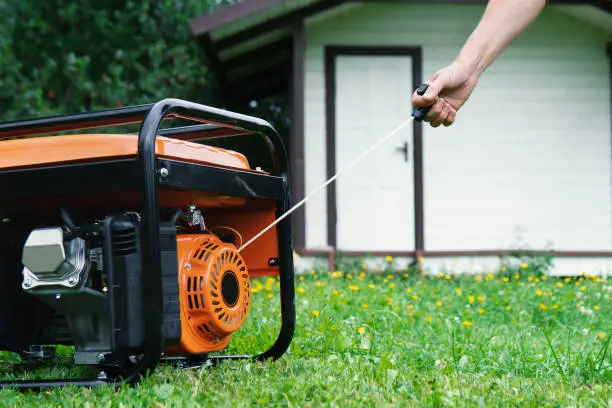
A generator is a useful backup power source during blackouts or in places without electricity. Knowing how to switch on a generator safely is important to avoid damage to the machine and ensure a steady power supply. With the right steps, you can start your generator confidently and keep your home or business running. Here is how to switch on a generator.
- Check the Fuel and Oil Levels
Before switching on the generator, make sure there is enough fuel in the tank and that the oil level is adequate. Running a generator without oil can damage the engine, while low fuel may cause it to stall. Regularly checking these levels ensures smooth and safe operation.
- Place the Generator in a Safe Location
Always use the generator outdoors or in a well-ventilated area to prevent carbon monoxide buildup. Position it on a flat, dry surface away from doors, windows, and flammable materials. Proper placement not only ensures safety but also helps the generator run efficiently without overheating.
- Disconnect Electrical Loads
Before switching it on, ensure that no appliances or equipment are connected to the generator. Starting the generator under load can strain the engine. Once it is running steadily, you can then plug in or connect the appliances one at a time.
- Switch the Fuel Valve On
Most portable generators have a fuel valve that controls the flow of fuel to the engine. Turn the valve to the “On” position to allow fuel to move from the tank into the carburetor. Without this step, the generator will not start.
- Turn the Choke On
If your generator has a choke, set it to the “On” or “Closed” position before starting. The choke helps the engine ignite by providing the right fuel-to-air mixture, especially when the engine is cold. Once the generator is running smoothly, you can switch the choke back to “Off.”
- Start the Generator
Generators may start with a recoil cord (pull start) or an electric starter. For a pull start, firmly pull the cord until the engine turns on. For an electric starter, press the start button or turn the ignition key. Allow the generator to warm up for a few minutes before connecting appliances.
- Connect Appliances Safely
After the generator has stabilized, you can connect your appliances. Use heavy-duty extension cords rated for outdoor use. Avoid overloading the generator by checking its wattage capacity and only connecting devices within its limit.
Also Read: How To Sleep With A Pregnancy Pillow
Email your news TIPS to Editor@Kahawatungu.com — this is our only official communication channel
