


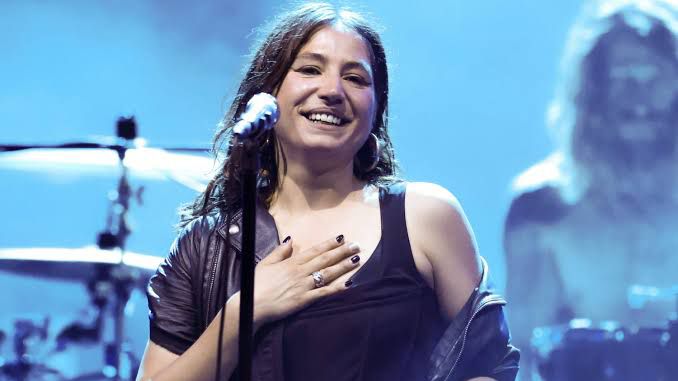
Izïa Higelin, born Izïa Anna Rosine Higelin on September 24, 1990, in Paris, France, is a dynamic French rock singer, guitarist, songwriter, and actress.
Emerging from a deeply artistic family, she was initially named M’Zia, meaning “ensoleillé” or “sunny” in Georgian, but her parents opted for the simpler spelling to ease pronunciation.
As the daughter of legendary French singer-songwriter Jacques Higelin and Tunisian dancer and singer Aziza Zakine, Izïa grew up immersed in a world of jazz, British pop, and rock influences, which her father introduced to her from a young age.
By seven, she was already collaborating with him, providing vocals while he played piano on tracks for an album honoring Boby Lapointe.
Her teenage years brought a shift toward grittier sounds from bands like Nirvana and Led Zeppelin, igniting her passion for guitar and songwriting.
Siblings
Izïa’s father, Jacques Higelin, had children from multiple relationships, making her the half-sister to two brothers who have also carved notable paths in the creative world.
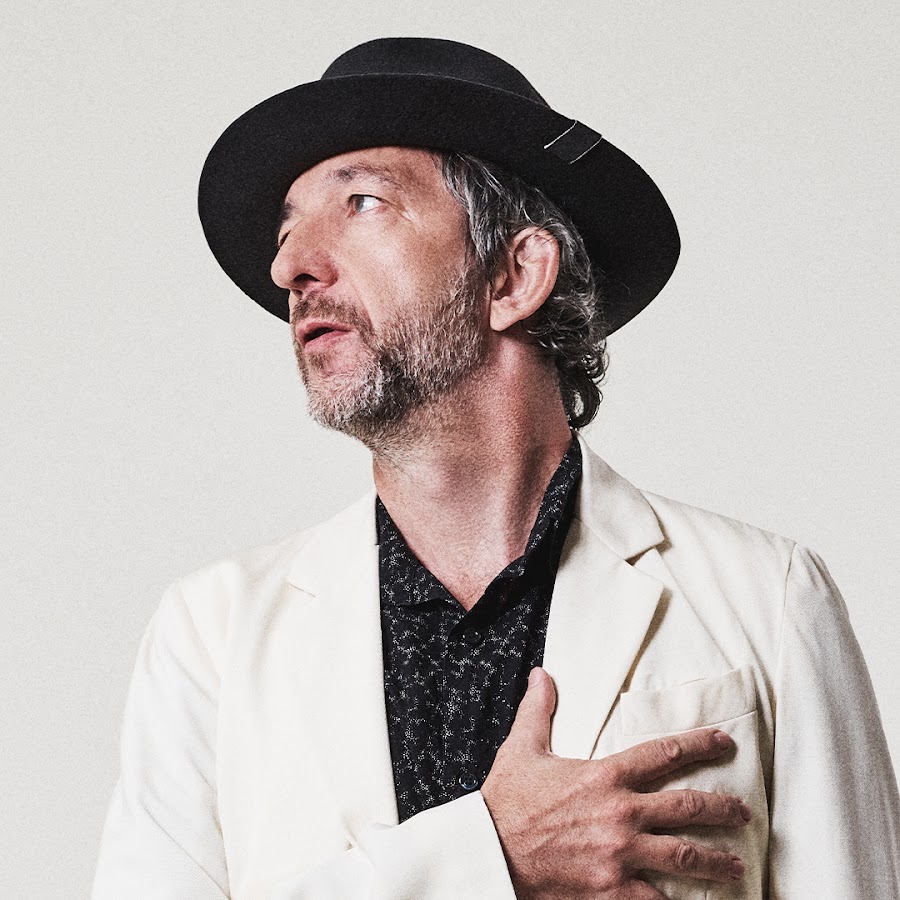
Her older half-brother Arthur H, born Arthur Higelin in 1966, is a celebrated French singer, musician, and composer renowned for his eclectic blend of jazz, funk, and world music.
Arthur’s career spans decades, with albums like Musique en attente and The Fabulous Trobadors earning him acclaim as an innovative force in French music, often performing alongside his father in heartfelt tributes.
The other half-brother, Kên Higelin, born in 1972 to Jacques and his partner Kuelan Nguyen, has pursued a multifaceted life in the arts as an actor, director, and filmmaker.
Kên debuted young in Peter Brook’s stage adaptation of The Mahabharata and later directed music videos for artists like Brigitte Fontaine, while also appearing in films and theater.
Also Read: Rebecca Miller Siblings: Meet Robert and Jane Ellen Miller
Career
Izïa’s professional journey ignited early, with her first live performance in 2004 alongside bassist Antoine Toustou from Caravan Palace, a connection forged through her parents’ networks.
By 2005, she was gracing stages across France, and in 2006, she released her debut EP, followed by a breakout slot opening for Iggy and the Stooges at the Printemps de Bourges festival.
Her self-titled debut album, Izia, dropped in June 2009 as a live recording, capturing her explosive rock energy and earning gold certification within a year.
The record’s hits like “The Light” and “Lola” showcased her influences, blending punk rawness with melodic hooks.
She followed with So Much Trouble in 2011, delving deeper into introspective lyrics and guitar-driven anthems, then La Vague in 2015, which explored electronic and pop elements while maintaining her rock core.
In 2019, Citadelle marked a triumphant return, announced amid a tour that highlighted her evolution as a mature songwriter.
Her latest release, La Vitesse in 2022, further cements her status with its high-octane tracks and personal storytelling.
Transitioning to acting, Izïa debuted in 2012’s Bad Girl, portraying a rebellious teen, and went on to star in films like Samba (2014) alongside Omar Sy, Summertime (2015), Saint-Amour (2016) with Gérard Depardieu, Rodin (2017), Un peuple et son roi (2018), Debout sur la montagne (2019), and Petite Nature (2021).
She has also appeared in TV series such as Serge le Mytho.
Accolades
In 2010, at just 19, Izïa swept the Victoires de la Musique awards, securing wins for Pop/Rock Album of the Year and Stage Revelation of the Year for Izia, a testament to her meteoric rise.
Her acting prowess earned a César Award nomination for Most Promising Actress in 2013 for Bad Girl, followed by an outright win in the same category that year, highlighting her seamless pivot to the screen.
Additional nods include Lumières Award and Globe de Cristal nominations for her breakout role, affirming her as a rising star in French cinema.
Email your news TIPS to Editor@Kahawatungu.com — this is our only official communication channel
