


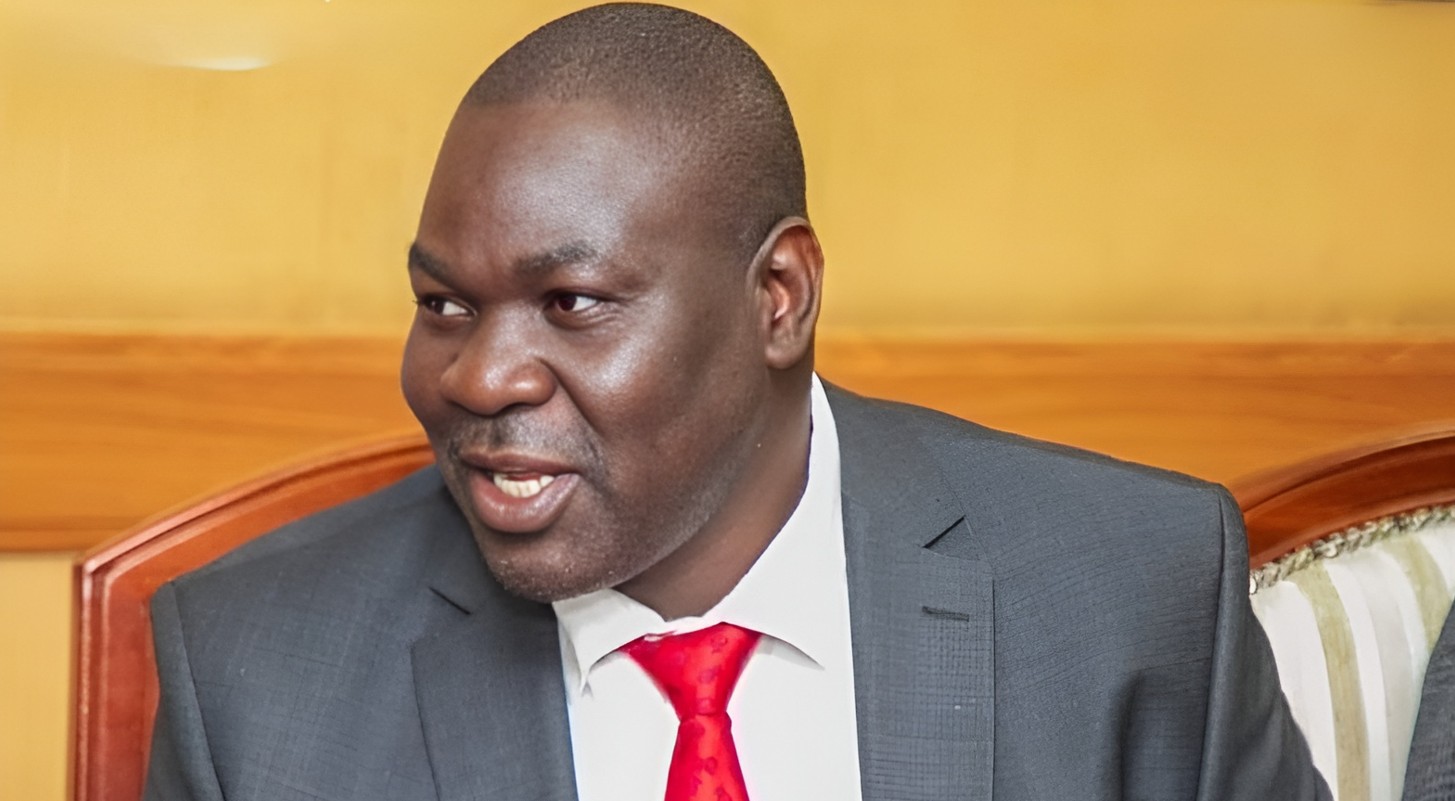
The Speaker of the National Assembly, Moses Wetang’ula, has received a letter from Dr. Duncan Oburu Ojwang, declining his nomination as Chairperson of the Kenya National Commission on Human Rights (KNCHR).
Dr. Ojwang’s name had been submitted to the National Assembly by President William Ruto for approval hearings.
In a Communication to the House on Tuesday, August 5, 2025, Wetang’ula conveyed the President’s proposal and referred the nominee’s name and curriculum vitae to the Departmental Committee on Justice and Legal Affairs for vetting.
A lawyer by profession, Dr. Ojwang has extensive experience in national and international human rights law, policy, and constitutional matters.
Dr. Ojwang cited personal reasons and a perceived conflict of interest as the basis for declining the nomination.
Following the withdrawal, the Clerk of the National Assembly, Samwel Njoroge, will formally notify the appointing authority to enable the President to propose a new nominee for the position.
Katiba Institute and the Kenya Human Rights Commission (KHRC) filed a petition at the High Court to challenge Ojwang’s nomination as Chairperson of the KNCHR.
The Petition follows the announcement made on 5 August 2025 by the National Assembly via its X (formerly Twitter) handle that it had received the President’s nomination of Dr. Ojwang and would proceed to vetting.
At the heart of the Petition is Article 250(11) of the Constitution of Kenya, which expressly prohibits the Chairperson and Vice-Chairperson of any independent commission from being of the same gender. The current Vice-Chairperson, Dr. Raymond Nyeris, is male.
Despite this, the selection panel invited, shortlisted and recommended another male, Dr. Ojwang, for the position, and the President subsequently nominated him.
The petitioners argue that this nomination violates the Constitution and the Kenya National Commission on Human Rights Act, reiterating the gender diversity requirement. They accused the Selection Panel, the President, and the National Assembly of failing to uphold national values, particularly gender equity, rule of law, integrity, and inclusivity.
Filed under Articles 3(1), 10, 27, 73, 232, and 250(11) of the Constitution, the Petition alleges that the process discriminated against qualified women candidates, unjustifiably limited women’s rights to equality, and disrespected the principles of public service and leadership integrity.
The Petition also invokes international instruments such as the Convention on the Elimination of All Forms of Discrimination against Women (CEDAW) and the Maputo Protocol, which Kenya is bound to uphold.
The Petition sets various declarations and orders, including the nullification of Dr. Ojwang’s nomination and a directive compelling strict compliance with the constitutional gender requirements for appointments to independent commissions. It also asks the court to declare that any actions taken based on the unconstitutional nomination are invalid.
The case marks a significant test of Kenya’s constitutional commitment to gender equity in public leadership and challenges the continued practice of ignoring binding gender representation provisions.
The case will be in court next on September 17, 2025.
Email your news TIPS to Editor@Kahawatungu.com — this is our only official communication channel
