


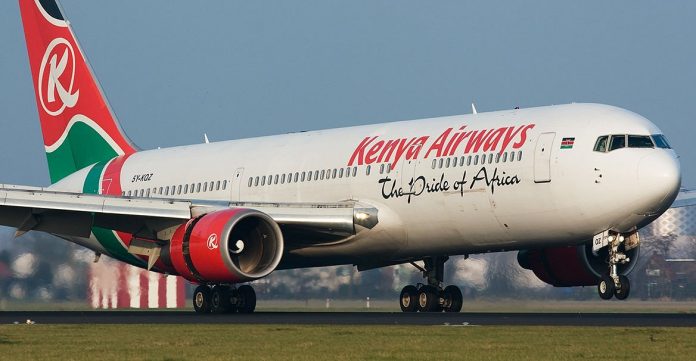
Kenya Airways (KQ) widened its net loss to Sh16.1 billion in the first half of 2026, up from Sh12.2 billion recorded during the same period last year, as rising fuel and aircraft maintenance costs put pressure on the national carrier’s finances.
The airline’s operating costs increased significantly during the six months ended June 2026, rising to Sh91.9 billion from Sh80.7 billion a year earlier.
KQ attributed the increase to higher fuel expenses, aircraft maintenance costs and other operating expenses incurred during the period.
Fuel emerged as one of the biggest pressures on the airline’s finances after global oil prices increased amid geopolitical tensions in the Middle East.
Kenya Airways said its fuel expenses increased by 32 percent during the period, following an increase in global oil prices linked to the conflict involving Iran.
The rise in international fuel prices also pushed up the cost of petroleum products in Kenya, increasing the cost of jet fuel used by commercial airlines.
Energy and Petroleum Regulatory Authority increased the price of kerosene by Sh38.60 per litre in May, pushing the price in Nairobi to Sh191.38 per litre from Sh152.78.
“Jet fuel prices rose 66 percent due to geopolitical tensions in the Middle East leading to a 32 percent increase in fuel costs,” KQ Board Chair Kiprono Kittony said.
The increase in fuel costs came at a challenging time for the airline as aviation companies continue to face pressure from volatile energy prices and geopolitical disruptions affecting global supply chains.
Kenya Airways also experienced operational challenges during the first half of the year after three of its Boeing 787 Dreamliner aircraft were grounded.
Some of the airline’s smaller aircraft also required maintenance, further affecting its operations and increasing costs.
The grounding of the Dreamliners reduced the number of aircraft available for some routes while increasing the pressure on the remaining fleet.
KQ said the combination of higher fuel prices and aircraft maintenance requirements had a significant impact on its financial performance during the period.
Aircraft maintenance is a major expense for airlines, particularly for long-haul carriers operating wide-body aircraft such as the Boeing 787.
The increase in operating expenses came as Kenya Airways continues efforts to strengthen its financial position and return to sustainable profitability.
The airline has in recent years implemented measures aimed at improving operational efficiency, increasing revenues and reducing costs.
However, external factors such as fuel price volatility, exchange-rate movements, geopolitical tensions and aircraft availability continue to affect its performance.
The latest results highlight the vulnerability of airlines to sudden increases in fuel prices, which account for a significant share of operating costs.
The conflict in the Middle East has also introduced additional uncertainty for global airlines by affecting oil markets, fuel supply chains and travel patterns.
Kenya Airways remains one of the key players in East Africa’s aviation sector, connecting Kenya to destinations across Africa, Europe, Asia and the Middle East.
The airline’s financial performance is closely linked to the cost of fuel, aircraft availability and passenger demand across its international and regional markets.
The grounding of several aircraft during the period compounded the impact of rising operating expenses by limiting fleet capacity at a time when the carrier was seeking to strengthen its operations.
KQ will therefore need to balance fleet availability, maintenance requirements and fuel costs as it seeks to improve its financial performance in the second half of 2026.

Email your news TIPS to Editor@Kahawatungu.com — this is our only official communication channel
