


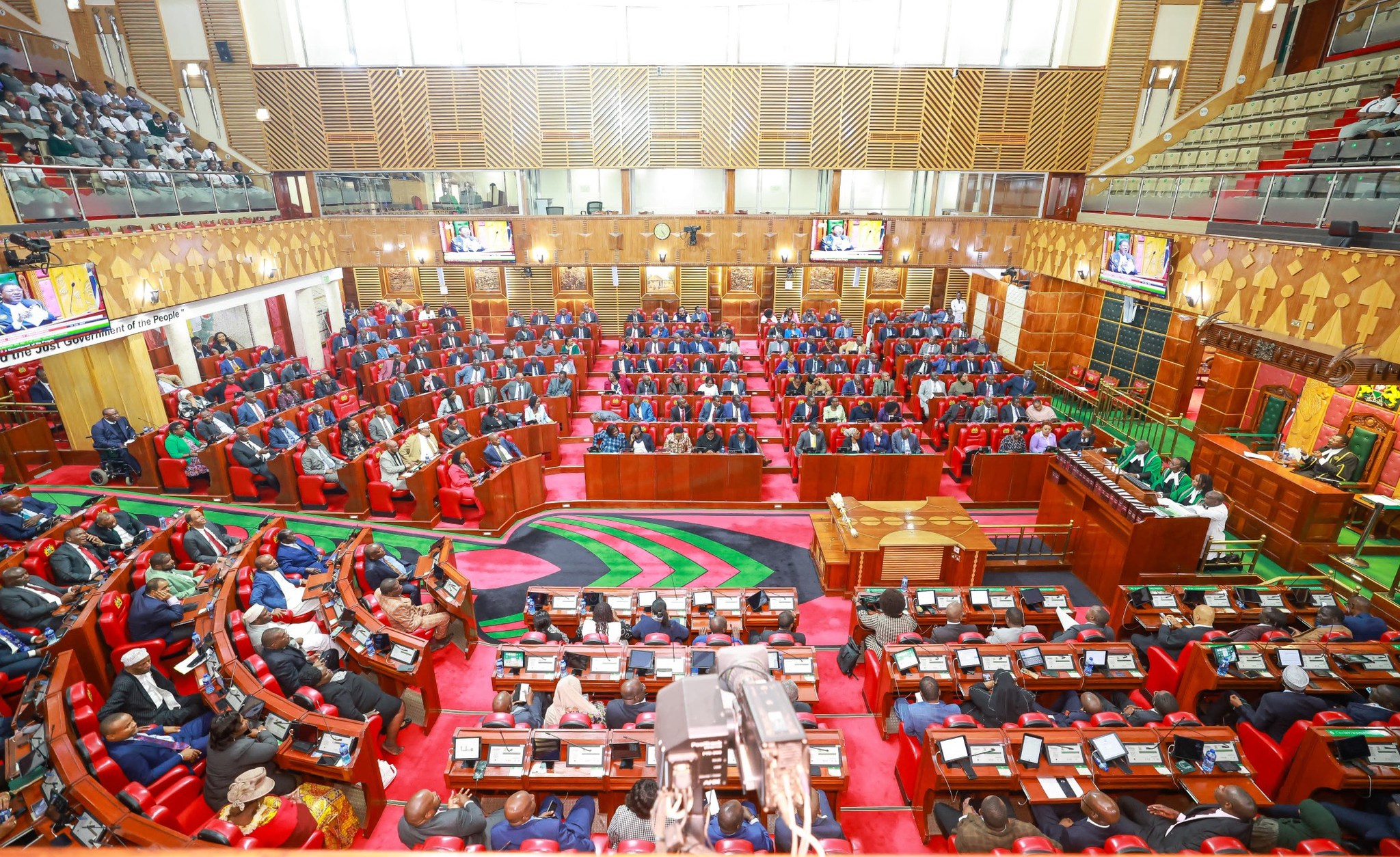
The National Assembly Committee on Education has begun consultations with stakeholders on the Basic Education (Amendment) Bill, 2025 (National Assembly Bill No. 3 of 2025), which seeks to officially recognize and support schools operating under the Alternative Provision for Basic Education and Training (APBET) model.
Chaired by Committee Vice Chairperson Eve Obara, who is also the MP for Kabondo Kasipul, the session brought together representatives from the Unified APBET Schools Association of Kenya and the Complementary Schools Association of Kenya. The stakeholders detailed the challenges faced by informal schools, especially those serving learners in informal settlements and marginalized communities.
The proposed amendment to the Basic Education Act (Cap. 211) would formally include APBET schools in the legal framework, allowing them to be mapped, registered, and supported with public funds—similar to public schools.
Mathare MP Anthony Oluoch, who is sponsoring the Bill, said the legislation is meant to give legal backing to an already existing policy framework.
“The Bill aims to anchor the Policy Framework for Alternative Provisions for Basic Education and Training into law,” said Oluoch. “It also ensures that these schools are recognized, registered, and supported, rather than being left out due to narrow definitions under the current Basic Education Act.”
Oluoch gave a practical example from his own constituency, saying, “Mathare is just four square kilometers. Even if the government allocated all the resources possible, there’s no space to build enough public schools. We have 56,000 students who rely on informal schools. These schools don’t receive any funding, teachers, or registration because they don’t meet land ownership requirements like two acres per school.”
The Bill seeks to end this kind of exclusion by providing legal recognition to a range of APBET institutions. These include non-formal education centres, vocational training centres, adult education programmes, home schools, and night schools.
If passed, the Bill will also introduce new provisions to support infrastructure development in APBET schools, establish capitation grants, provide curriculum guidelines, and create a national data bank of all registered APBET institutions.
Stakeholders noted that the lack of legal recognition has left many of these schools struggling with poor infrastructure, limited access to qualified teachers, and challenges in registering students for national exams.
Data from the Ministry of Education shows that more than 2.3 million school-aged children are currently either at home or attending unregistered learning institutions. This includes 1.3 million primary school-aged children, 1 million secondary school-aged learners, and over 350,000 adults enrolled in APBET programmes.
The Committee acknowledged that the Bill complements ongoing government efforts to promote inclusive education and bridge the divide between formal and informal learning systems.
“This Bill is timely,” said Kibra MP Peter Orero. “We must bring all children under one umbrella, whether they are in formal or informal schools.”
Email your news TIPS to Editor@Kahawatungu.com — this is our only official communication channel
