


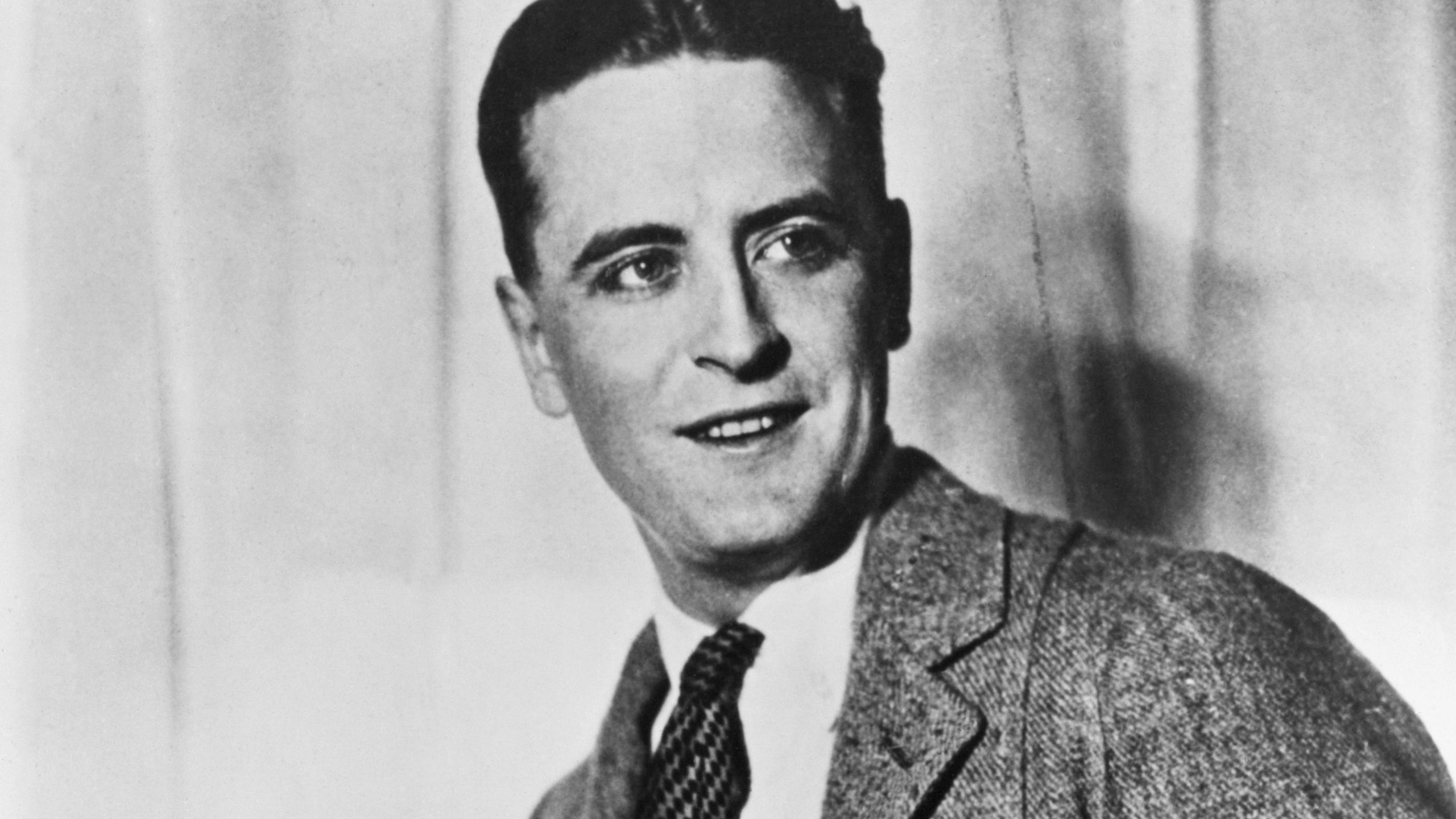
Scott Fitzgerald, born Francis Scott Key Fitzgerald on September 24, 1896, in St. Paul, Minnesota, was one of the most prominent American novelists and short story writers of the 20th century.
He became widely known as the chronicler of the Jazz Age, capturing the exuberance, excess, disillusionment, and shifting social values of the 1920s in his works.
Fitzgerald drew his name from his distant cousin Francis Scott Key, the author of “The Star-Spangled Banner,” and he often explored themes of ambition, wealth, romance, and the elusive American Dream.
Siblings
Fitzgerald was the first surviving child of Edward Fitzgerald, a businessman of Irish and English descent whose ventures often failed, and Mary “Mollie” McQuillan Fitzgerald.
Tragically, several of his siblings died young.
Before Scott’s birth, two older sisters passed away in early childhood, Louisa Fitzgerald (born 1892, died 1896) and Mary Ashton Fitzgerald (born 1893, died 1895).
Another unnamed sister lived only briefly in 1900.
His only sibling to reach adulthood was his younger sister Annabel Fitzgerald, born in 1901, who lived until 1987 and married Clifton “Ziggy” Sprague.
Also Read: Cory Booker Siblings: All About Cary and John Taylor Booker
Career
Fitzgerald’s career began during his time at Princeton University, where he contributed to literary magazines and wrote scripts for the Triangle Club.
He left Princeton without graduating to join the army during World War I, though he never saw combat.
After the war, he pursued writing full-time.
His debut novel, This Side of Paradise, published in 1920, brought him instant fame and established him as a voice of the younger generation.
He followed it with The Beautiful and Damned in 1922.
His masterpiece, The Great Gatsby, appeared in 1925 and offered a sharp critique of the American upper class, though it sold modestly during his lifetime.
Later works included Tender Is the Night in 1934 and the unfinished The Last Tycoon, published posthumously in 1941.
Fitzgerald also wrote over 160 short stories, many for popular magazines like The Saturday Evening Post, which provided steady income to support his lifestyle.
In the 1930s, he worked as a screenwriter in Hollywood to manage debts.
Accolades
During his lifetime, Fitzgerald enjoyed commercial success with his early novels and stories but faced mixed critical reception and financial struggles, exacerbated by the Great Depression and personal challenges.
He received no major literary awards while alive, and The Great Gatsby was considered a commercial disappointment.
Recognition grew posthumously; today, The Great Gatsby is regarded as one of the greatest American novels, frequently taught in schools and adapted into films.
Fitzgerald’s legacy endures through his vivid portrayal of an era, and his works have earned enduring acclaim as classics of modernist literature.

Email your news TIPS to Editor@Kahawatungu.com — this is our only official communication channel
