


Tourism stakeholders have opposed the proposed merger of the Tourism Research Institute (TRI) with the Kenya Tourism Board (KTB), calling for increased government funding to strengthen the research institution.
The stakeholders argued that TRI should remain an autonomous institution and receive adequate and sustainable funding to effectively deliver its mandate.
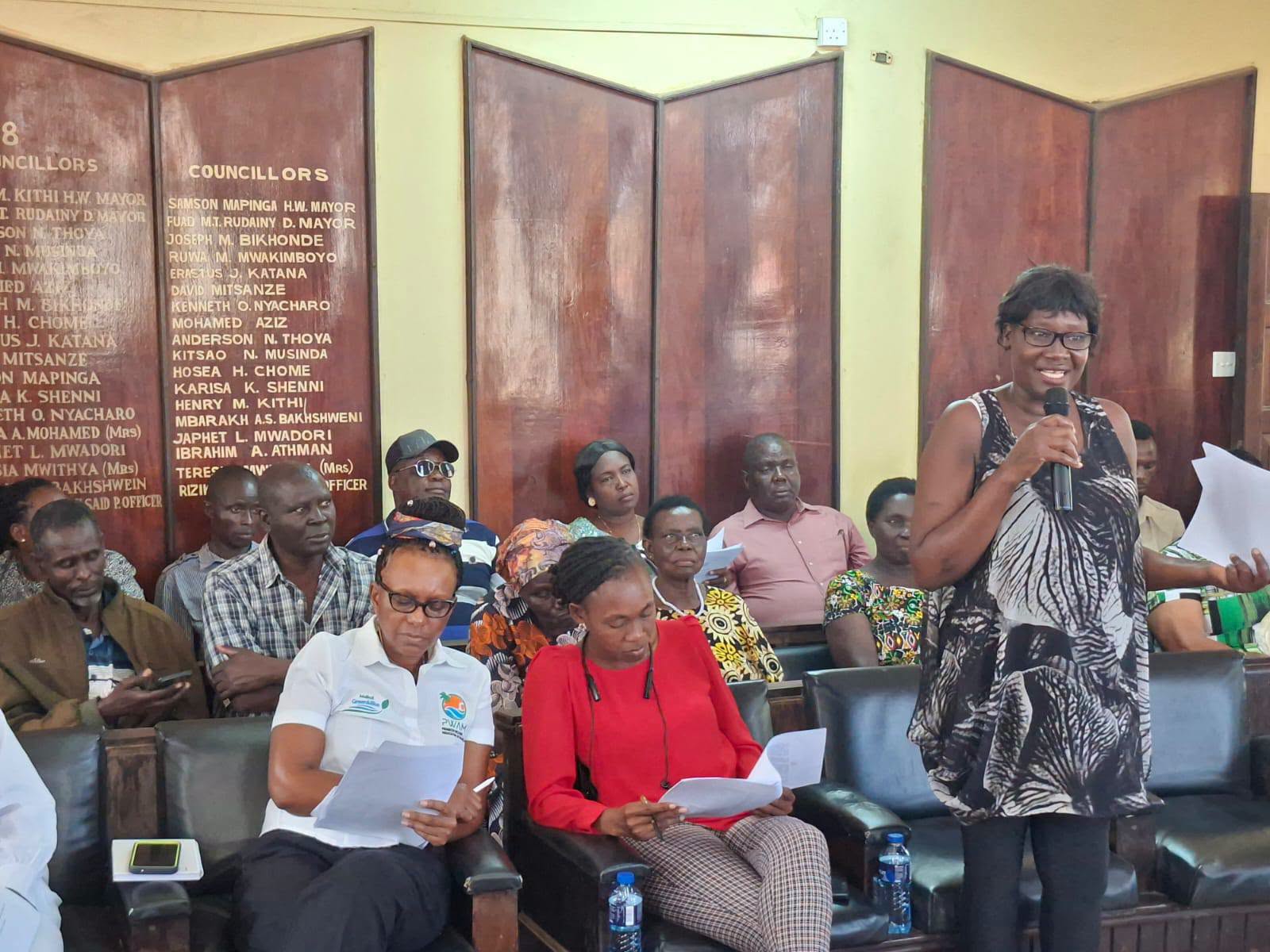
They made the remarks during a public participation exercise by the National Assembly Committee on Tourism and Wildlife on the proposed Tourism (Amendment) Bill, 2026, held in Malindi town.
The session was chaired by Likuyani MP Innocent Mugabe.
Kilifi County Director of Tourism Mary Kabani said merging TRI with KTB would undermine an institution that plays a critical role in the growth of Kenya’s tourism industry.
Kabani attributed TRI’s limited visibility to inadequate government funding and urged the government to provide the institute with sufficient resources.
“TRI has been unnoticed because of the financial constraints occasioned by underfunding by the government. Give them money and you would have breathed a new life into the institute to discharge its mandate,” Kabani said.
She said the proposed merger was ill-timed, noting that TRI provides important data and research that supports decision-making in the tourism sector.
“The proposal in the legislation to merge TRI is ill-timed. The institute plays a key role in providing data about the industry, among other things, and it requires sustainable funding to be effective in its work,” she said.
Kabani said research institutions in the health, agriculture and wildlife sectors had made significant progress because they operate independently and receive adequate funding.
She urged the government to adopt a similar approach for TRI.
Progress Welfare Association of Malindi (PWAM) Chairlady Kate Mwikali also opposed the proposed merger.
Mwikali warned that combining TRI with KTB could weaken the research institute and negatively affect the tourism industry.
“The institute will be swallowed by the board if the two are merged as proposed in the legislation, thereby making TRI ineffective,” she said.
She further proposed relocating TRI’s headquarters to the Coast region, which heavily depends on tourism for employment and economic activity.
“I propose that the headquarters of the institute be moved to the Ronald Ngala Tourism Training Institute in Kilifi County,” Mwikali said.
The proposal would place the research institution closer to one of Kenya’s key tourism regions and communities that depend heavily on the sector.
The stakeholders also called for changes to the proposed law to provide funding for the management and cleaning of beaches.
They argued that beach tourism has become an important source of income for coastal communities but continues to face challenges linked to poor management and inadequate cleanliness.
Pily Kidzo, a member of the Kilifi County Beach Operators Association, urged lawmakers to include a clause allowing part of the proceeds generated by the tourism sector to support beach management.
“Beach tourism has grown to be a major source of income for local people, but poor management and failure to keep the beaches clean have impeded its growth. Money should be made available for this purpose,” Kidzo said.
The stakeholders said better-maintained beaches would help improve the visitor experience and strengthen the economic contribution of coastal tourism.

Email your news TIPS to Editor@Kahawatungu.com — this is our only official communication channel
