


If you’ve ever flicked on a light switch or plugged in your phone without thinking twice, there’s a reason you can do that safely. Behind every working power point and switch is a proper wiring job, and more importantly, rules that guide how it all gets done. In Australia, electrical work follows national standards.
Here’s how these standards help make electrical installations safe and consistent across the country.
1. Everyone Follows the Same Rules
One of the main reasons installations stay safe is that the standards apply everywhere. Whether a home is being built in a city or a small rural town, the wiring must meet expectations. Because everyone is using the same set of rules, electricians and inspectors are on the same page. There’s no confusion, which makes inspections smoother and avoids mistakes that could cause problems.
2. Lower the Risk of Fires and Shocks
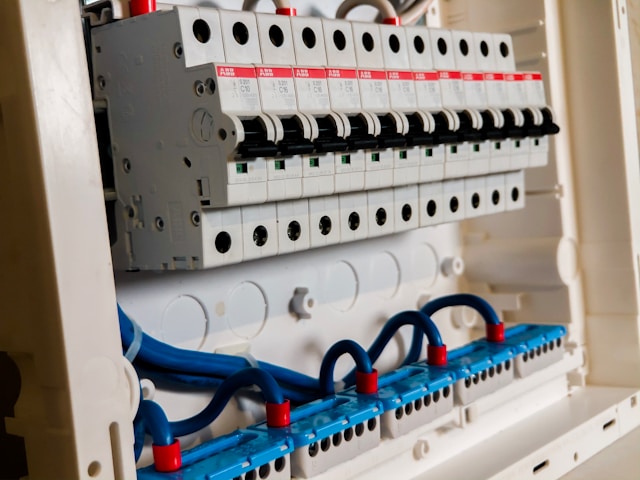
Wiring that’s done poorly can lead to electric shocks or house fires, so Australian standards are written with safety in mind. Australian standards explain exactly how cables should be chosen, how circuits should be set up, and what kind of safety devices must be installed. For example, rules require the use of RCDs (residual current devices) and circuit breakers in important spots like bathrooms and kitchens.
3. New Technology Is Covered Too
The massive growth in the number of homes utilising solar panels or car chargers in garages is an example of this. New systems mean more power draw and wires, so the standards get updated along with them. Take, for instance, if anyone is getting a solar system mounted to their rooftop, the job needs to comply with certain safety regulations so that the power stops streaming back during an outage.
4. Inspections Are Clearer and Straightforward
No electrical job is finished until it passes inspection, which relies on the same set of standards the electrician used to do the job. Because of this, inspectors know what to look for, which means fewer surprises. Everyone involved, like electricians, inspectors, and property owners, knows what to expect. Furthermore, there’s no second-guessing because the checklist is already clear and straightforward.
5. Training Is Built Around the Rules
Whether they’re learning in class or on a job site, they’re taught how to wire things properly and apply safety rules from the start. Even experienced electricians are expected to keep learning. As the standards change, electric professionals take refresher courses to stay current. This means every licensed professional is trained not just to do the work, but to do it safely, using the most up-to-date methods.
6. Help Prevent Overheating and Overload
Putting too much load on a circuit or using the wrong type of cable can make wires heat up and become dangerous. The standards help avoid this by setting limits for how much current can pass through a wire. This stops issues like plugging many appliances into one socket or using a thin wire for a heavy-duty device. Done right, it keeps everything running efficiently and lowers the chance of things overheating.
7. Build a Culture of Care
Sticking to these standards isn’t just about rules; it is about building a sense of responsibility. When electricians follow the correct procedures, they’re protecting people and property. Builders, homeowners, business owners, and inspectors all learn to expect good work. That trust creates a better working relationship and helps ensure jobs are done properly from the start, without taking shortcuts.
Safety Starts With Australian Electrical Wiring Standards
Australian Electrical Wiring Standards are the basis for how you ensure your electrical systems are all around the country. It provides some clear options for electricians, helps inspectors do their job with clarity, and ensures that safety is adhered to first, no matter the size of the project. Whenever planning to carry out any electrical work, your best protection would be these Australian wiring standards.
Email your news TIPS to Editor@Kahawatungu.com — this is our only official communication channel
