


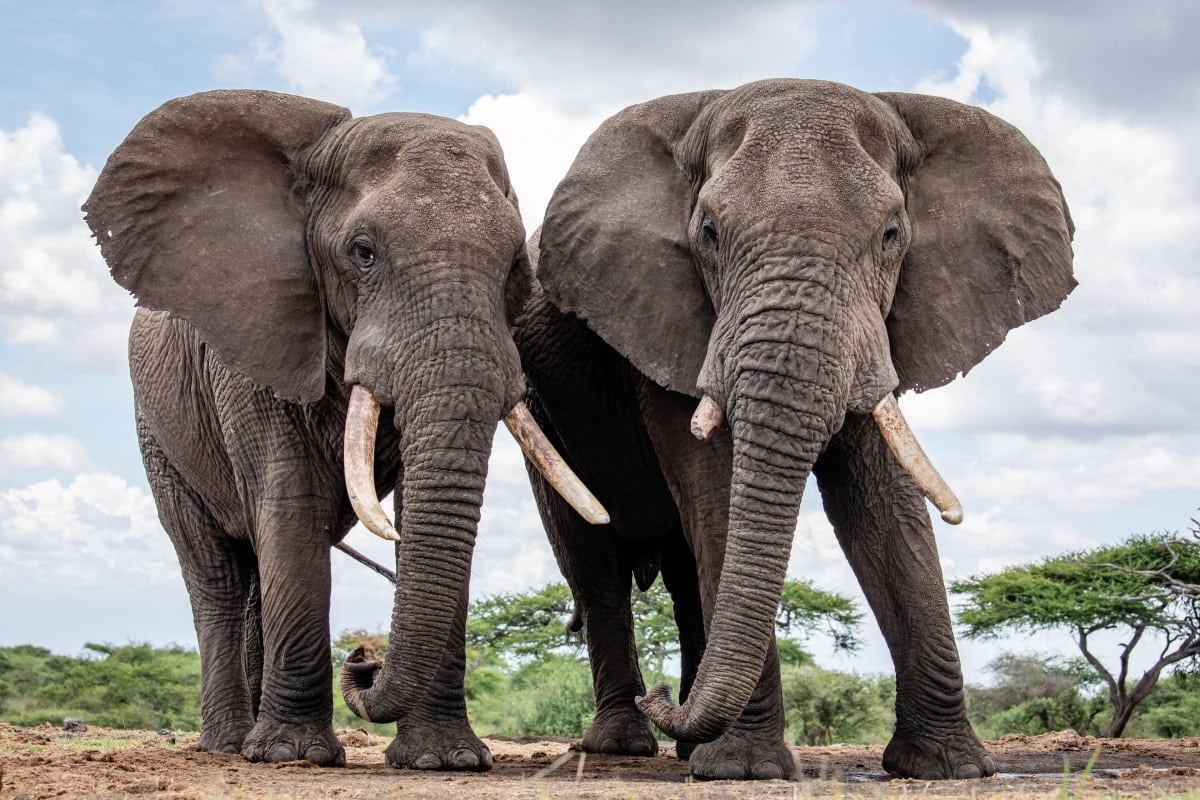
A 25-year-old woman was trampled to death by a herd of elephants in Musaroni village, Vigurungani, Kinango, Kwale County.
This underscores the growing challenge of human–wildlife conflict across Kenya, officials said.
Police and witnesses said Pombe Nyawa was riding on a motorcycle as a pillion passenger when they came across a herd of elephants on the road. The incident happened on Sunday September 21, 2025 evening.
The herd charged towards the woman and her husband, who was the rider, prompting him to make an abrupt u-turn.
The man said the motorcycle had overturned in the process, flooring them. They then jumped off and escaped on foot to different directions. The elephants caught up with the woman trampling her.
She died on the spot. The police and Kenya Wildlife Service personnel later visited the scene as the body was moved to the mortuary pending an autopsy.
Police advised the family to file a compensation claim.
In May 2025, Kenya introduced the third phase of its Human–Wildlife Conflict Compensation Programme, an initiative aimed at addressing these incidents and supporting affected families.
During its launch at Meru National Park, President William Ruto unveiled the innovative Wildlife Conservation Card, a new tool designed to help fund conservation efforts.
“Compensation is justice, but prevention is progress,” Ruto said, emphasizing the need for long-term solutions that benefit both people and wildlife.
“Through the Conservation Card, fencing, and community‑led tourism, we are turning conflict into opportunity,” he added.
Developed in partnership with KCB Bank, the Wildlife Conservation Card is available in three tiers—Platinum (Elephant), Gold (Lion), and Silver (Cheetah).
A portion of every transaction made with the card (Sh10, Sh5, and Sh3, respectively) goes directly to the Wildlife Conservation Trust Fund.
The initiative aims to enable Kenyans and international supporters to contribute to wildlife conservation while fostering economic benefits for local communities.
With this new approach, Kenya hopes to build a future where humans and wildlife can coexist more safely and sustainably..
Email your news TIPS to Editor@Kahawatungu.com — this is our only official communication channel
