


Questions have emerged over land agreements involving the British Army Training Unit in Kenya (BATUK) and the compensation of local communities using land for military training.
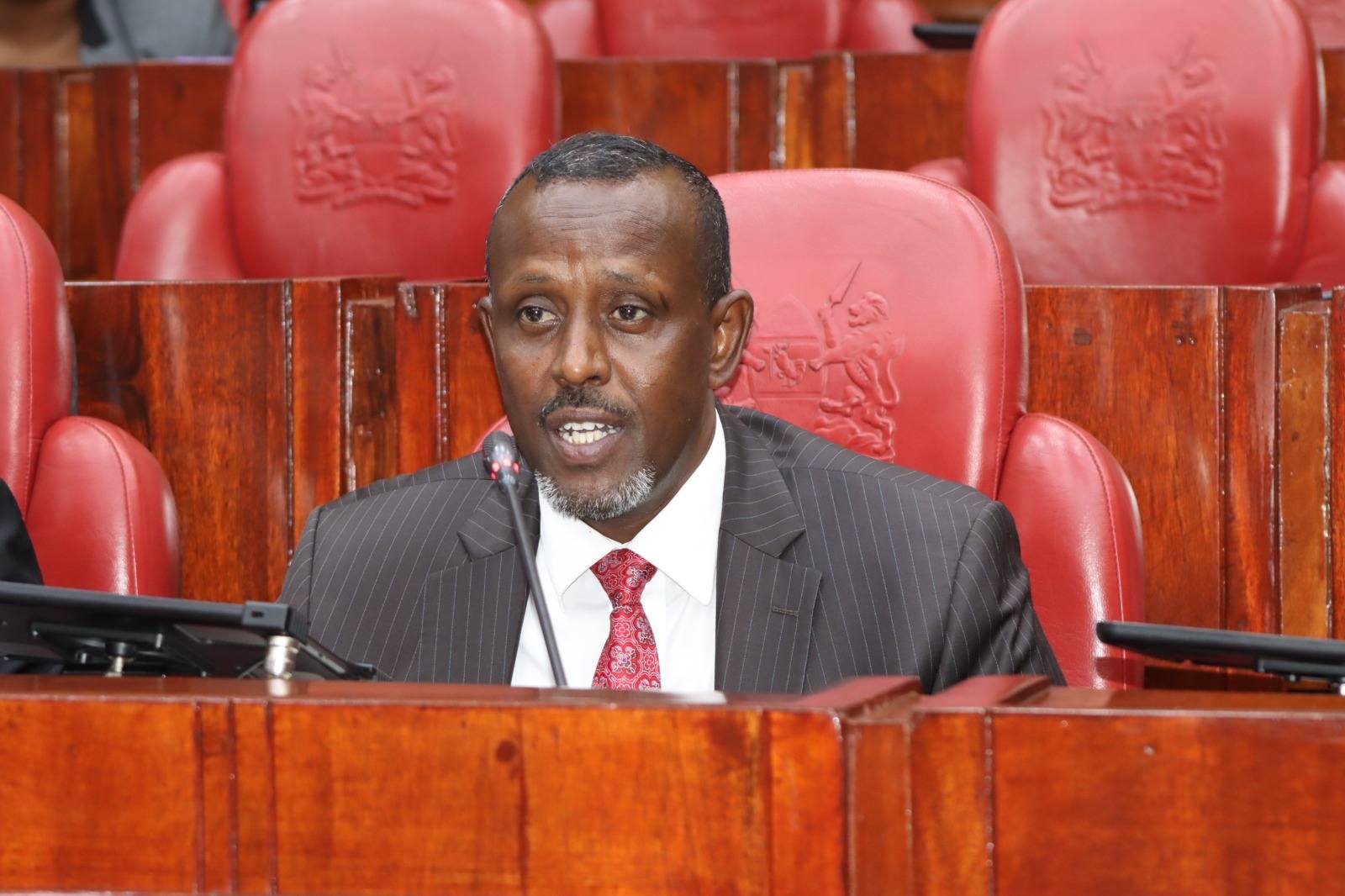
The National Assembly Committee on Defence, Intelligence, and Foreign Relations, led by Mandera North MP Bashir Abdullahi, met with the Ministry of Lands and the Federation of Women Lawyers (FIDA) as part of an inquiry into BATUK’s operations.
Lawmakers sought clarification on the legal status, ownership, and usage rights of land occupied by BATUK, as well as the nature of agreements between the British military and local communities. Some communities have alleged that they have not been adequately compensated for the use of their land.
“We note that there are private engagements between BATUK and private ranchers,” said Lands Principal Secretary Nixon Korir.
“Regarding the actual acquisition of land, we only have documents on the original acquisition where the base is located. The National Land Commission should provide further details on community land and other leased properties, as it falls within their mandate.”
The Committee directed the Ministry of Lands to provide details on BATUK’s land agreements with private ranches and local communities, raising concerns that some affected groups had not received fair compensation.
Korir acknowledged that while the Ministry had records of leaseholds, some land used by BATUK—particularly community land—was not registered with the Ministry of Lands. He suggested that the Ministry of Defence would be best placed to provide further information.
MPs also raised environmental concerns linked to BATUK’s training activities. Korir cited Article 8 of the Defence Cooperation Agreement (DCA), which requires visiting forces to “preserve and protect environments where training takes place.” However, lawmakers questioned whether these provisions were being enforced.
Representatives from FIDA, who also appeared before the Committee, highlighted challenges faced by survivors of alleged abuses involving BATUK soldiers.
“Most survivors speak of victimization and stigma when reporting these cases,” a FIDA representative told the Committee.
Kamukunji MP Yusuf Hassan stressed the need for stronger enforcement of existing laws, saying, “There is already legislation in place, but the challenge is implementation. We need a comprehensive analysis of the legal, economic, and social impact of Kenya’s relationship with BATUK.”
FIDA proposed a review of the Defence Cooperation Agreement to ensure Kenya is treated as an equal partner in its engagements with the British government.
The Committee instructed FIDA to provide additional documentation on past cases linked to BATUK activities as part of the ongoing inquiry.
Email your news TIPS to Editor@Kahawatungu.com — this is our only official communication channel
