


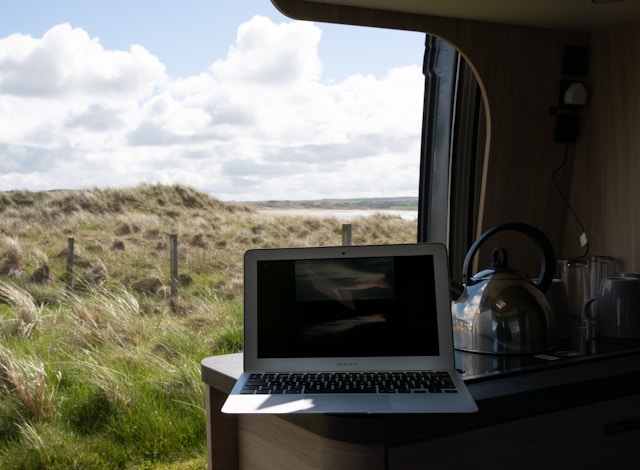
Picture this: you’re standing at the rim of the Grand Canyon, watching the sun paint the ancient rock formations in brilliant oranges and reds. Your first instinct? Share this breathtaking moment with loved ones back home. But then reality hits – there’s no Wi-Fi signal, and your phone shows those dreaded “no service” bars.
This scenario plays out countless times across America’s most spectacular destinations. From the geysers of Yellowstone to the coastal highways of Big Sur, the USA offers some of the world’s most remote and stunning locations for travelers to explore. Yet these same destinations often leave visitors digitally stranded, cut off from the connectivity they’ve grown to depend on for navigation, safety, and sharing their adventures.
Traditional solutions like hunting for Wi-Fi hotspots or dealing with expensive roaming charges simply don’t cut it when you’re miles from the nearest coffee shop or hotel. That’s where eSIM technology steps in as a game-changer for modern travelers. These digital SIM cards offer a seamless way to stay connected throughout your American journey, ensuring you never have to choose between exploring off-the-beaten-path destinations and staying in touch with the world.
The Challenges of Staying Connected in Remote USA Destinations
Traveling through America’s vast wilderness and rural areas presents unique connectivity challenges that can turn an exciting adventure into a stressful experience. Understanding these obstacles is the first step toward finding reliable solutions for your journey.
Unreliable Wi-Fi in National Parks and Rural Areas
America’s national parks were designed to preserve natural beauty, not to provide blazing-fast internet. Places like Yellowstone National Park, covering over 2.2 million acres, have spotty Wi-Fi coverage at best. While some visitor centers and lodges offer basic internet access, these connections are often slow, unreliable, and crowded with hundreds of other travelers trying to upload their vacation photos simultaneously.
The situation becomes even more challenging in smaller rural towns scattered across states like Montana, Wyoming, or Nevada. These communities might have a single internet café or library with public Wi-Fi, but finding these locations when you’re exploring remote areas can feel like searching for a needle in a haystack. Many travelers have found themselves completely cut off from digital communication for days at a time, unable to access maps, check weather conditions, or contact family members.
This connectivity gap creates more than just inconvenience – it can impact your safety and overall travel experience. Without reliable internet access, you can’t check trail conditions, receive weather alerts, or use GPS navigation to find your way back to main roads after a day of exploration.
High Roaming Costs for International Travelers
International visitors to the USA often experience sticker shock when they receive their phone bills after a cross-country road trip. Roaming charges can quickly escalate to hundreds or even thousands of dollars, especially when travelers use data-intensive applications like GPS navigation or photo sharing without realizing the costs involved.
Consider a typical scenario: a family from Australia decides to drive from Los Angeles to Las Vegas, then on to the Grand Canyon. They use their phones for navigation, take photos throughout the journey, and check social media to share updates with friends back home. Without an appropriate data plan, this seemingly innocent three-day trip could result in roaming charges exceeding $500.
Even domestic travelers aren’t immune to unexpected costs. Many mobile carriers charge premium rates for data usage in remote areas, and some rural regions rely on partner networks that trigger additional fees. These surprise charges can quickly derail a travel budget, leaving tourists to choose between staying connected and staying within their financial limits.
The Hassle of Physical SIM Cards
The traditional solution of buying local SIM cards presents its own set of challenges, particularly in remote areas. First, you need to find a store that sells SIM cards, which can be difficult in small towns or rural areas where electronics retailers are few and far between. Many gas stations and convenience stores in remote locations don’t carry mobile accessories, leaving travelers to drive significant distances just to find a suitable SIM card.
Even when you locate a physical SIM card, compatibility issues can arise. Different carriers use various network technologies, and not all international phones work seamlessly with American networks. Some older devices or phones locked to specific carriers might not accept new SIM cards at all, leaving travelers stuck with their expensive roaming options.
The process of swapping SIM cards also means potentially losing access to your regular phone number temporarily, missing important calls or messages from home. For business travelers or those managing family responsibilities, this communication gap can create significant stress and complications.
What Are eSIMs and How Do They Work for Travelers?
eSIM technology represents a revolutionary shift in how we think about mobile connectivity, offering travelers unprecedented flexibility and convenience when exploring new destinations.
Understanding eSIM Technology
An eSIM, or embedded SIM, is essentially a digital version of the traditional plastic SIM card that’s been permanently built into your device. Instead of physically inserting or removing a card, you can download and activate mobile plans directly onto your phone through software. This technology has been integrated into most modern smartphones, tablets, and even some laptops, making it increasingly accessible to everyday travelers.
Most recent iPhone models (iPhone 11 and later), Google Pixel devices (Pixel 4 and newer), Samsung Galaxy phones (S20 series and beyond), and many other Android devices now come with eSIM capability. This widespread adoption means millions of travelers already have eSIM-compatible devices without even realizing it.
The beauty of eSIM technology lies in its simplicity and versatility. You can store multiple mobile plans on a single device, switching between them as needed. This means you could have your home carrier’s plan alongside a travel-specific plan, activated and ready to use whenever you need it.
Benefits of eSIMs for Remote Travel
eSIMs offer several compelling advantages that make them particularly valuable for travelers venturing into remote areas of the USA. The most significant benefit is instant activation – you can purchase and activate an eSIM USA plan from anywhere in the world, even before your flight lands. There’s no need to hunt for stores, wait in lines, or worry about business hours when you arrive at your destination.
Flexibility is another major advantage. eSIM plans come in various sizes and durations, from short-term options perfect for weekend getaways to longer-term plans ideal for extended road trips or digital nomads spending months exploring the country. You can choose plans based on your specific data needs, whether you’re a light user who mainly needs maps and messaging or a heavy user who wants to stream videos and upload high-resolution photos.
Coverage reliability often surpasses what you’d get from hunting for Wi-Fi networks. Quality eSIM providers partner with major US carriers, giving you access to the same network infrastructure used by domestic customers. This means you’re more likely to have signal coverage in remote areas compared to relying on scattered Wi-Fi hotspots or weaker regional carriers.
How to Set Up an eSIM for Your Trip
Setting up an eSIM is surprisingly straightforward, even for travelers who aren’t particularly tech-savvy. The process typically begins with purchasing a plan online from a reputable provider. Most companies offer user-friendly websites where you can compare plans, select your desired data allowance and duration, and complete your purchase in just a few minutes.
After purchase, you’ll receive a QR code via email containing your eSIM profile information. To activate your plan, simply go to your phone’s settings menu, look for the cellular or mobile data section, and select “Add Cellular Plan” or “Add eSIM.” Your phone’s camera will scan the QR code, and within minutes, your new plan will be active and ready to use.
Many travelers find it helpful to set up their eSIM before leaving home, ensuring everything works correctly while they still have access to their regular internet connection. This approach eliminates the stress of trying to troubleshoot activation issues while standing in an airport or sitting in a rental car in an unfamiliar location.
How eSIMs Solve Connectivity Pain Points in the USA
The real value of eSIM technology becomes apparent when you’re actually on the road, facing the practical challenges of staying connected while exploring America’s diverse landscapes.
Seamless Navigation in Remote Areas
Getting lost in America’s vast wilderness isn’t just inconvenient – it can be dangerous. GPS navigation has become an essential travel tool, but it only works when you have a reliable data connection. eSIMs ensure you maintain access to mapping services like Google Maps, Apple Maps, or specialized hiking apps even when you’re miles from the nearest town.
Consider the experience of Sarah, a solo traveler from the UK who decided to drive through Utah’s “Big Five” national parks. With her eSIM plan active, she could confidently navigate between remote trailheads, receive real-time traffic updates about road closures, and even discover nearby points of interest that weren’t in her original itinerary. When a sudden thunderstorm forced her to change her hiking plans in Zion National Park, she could quickly find alternative indoor activities and safe places to wait out the weather.
The peace of mind that comes with reliable navigation can’t be overstated. Whether you’re exploring the winding roads of the Blue Ridge Parkway or searching for that perfect sunset spot in Death Valley, having consistent access to GPS services allows you to focus on enjoying your adventure rather than worrying about getting lost.
Staying Safe with Constant Connectivity
Safety should be every traveler’s top priority, especially when venturing into remote areas where help might be hours away. eSIMs provide a crucial safety net by ensuring you can always contact emergency services, share your location with family members, or call for roadside assistance when needed.
Solo travelers particularly benefit from this constant connectivity. Apps like Find My Friends or Google’s location sharing features allow family members to track your progress during long drives or hiking expeditions. If something goes wrong, rescue teams can use your phone’s GPS coordinates to locate you quickly, potentially saving precious time in emergency situations.
Even for everyday situations, having reliable connectivity reduces stress and improves your overall travel experience. You can check weather forecasts before heading out for the day, research restaurant options when you’re getting hungry, or book last-minute accommodations when your plans change unexpectedly.
Sharing Your Adventure Without Wi-Fi
Social media has become an integral part of how we document and share our travel experiences. The desire to post that perfect sunrise photo from the Grand Canyon or share a video of Old Faithful erupting is natural and immediate. eSIMs make it possible to share these moments in real-time, even from the most remote locations.
Beyond social media, many travelers use cloud storage services to automatically backup their photos and videos. This continuous backup process provides valuable protection against lost or damaged devices while ensuring your memories are safely stored. With reliable data connectivity, your photos upload seamlessly in the background, giving you one less thing to worry about during your travels.
The ability to stay connected also enables you to research and discover new experiences on the go. When fellow travelers recommend a hidden waterfall or a local restaurant, you can immediately look up directions, read reviews, and decide whether to add it to your itinerary – all without needing to find a Wi-Fi connection first.
Choosing the Right eSIM Plan for Your USA Trip
Selecting the optimal eSIM plan requires careful consideration of your travel style, data needs, and budget constraints. The key is finding a balance between comprehensive coverage and cost-effectiveness.
Factors to Consider When Selecting a Plan
Your data needs will primarily depend on how you plan to use your device during your trip. Light users who mainly need access to maps, messaging, and occasional web browsing can often get by with smaller data allowances, typically ranging from 1-5GB for a week-long trip. These plans are perfect for travelers who spend most of their time offline, exploring nature or visiting attractions where they won’t be constantly using their phones.
Heavy users, including social media enthusiasts, remote workers, or families traveling with multiple devices, will need more substantial data allowances. Plans offering 10GB or more provide the freedom to stream videos, upload high-resolution photos, and maintain regular internet usage patterns without worrying about exceeding data limits.
Trip duration also plays a crucial role in plan selection. Short-term visitors might prefer daily or weekly plans that offer flexibility and cost savings for brief stays. Longer-term travelers, such as those planning cross-country road trips or extended visits, often benefit from monthly plans that provide better value for extended usage periods.
Coverage in Remote USA Destinations
Not all eSIM providers offer the same level of coverage in remote areas. The best plans partner with major US carriers like Verizon, AT&T, and T-Mobile, ensuring access to the most extensive network infrastructure available. This partnership approach means your eSIM will automatically connect to the strongest available signal, whether you’re in downtown Manhattan or camping in a remote corner of Montana.
When evaluating coverage options, pay particular attention to the specific regions you plan to visit. Some carriers have stronger coverage in certain geographical areas – for example, one carrier might excel in the Southwest while another provides better service in the Northeast. Reading coverage maps and customer reviews can help you identify which providers perform best in your intended destinations.
It’s also worth considering plans that offer 4G and 5G access. While 5G coverage is still expanding in rural areas, having access to the fastest available networks can significantly improve your user experience in areas where service is available.
Budget-Friendly Options for Travelers
eSIM plans often provide significant cost savings compared to traditional roaming charges, but prices can still vary considerably between providers. Budget-conscious travelers should compare not just the upfront cost of plans, but also the value proposition in terms of data allowance, coverage area, and additional features.
Many providers offer promotional pricing for first-time customers or discounts for longer-term plans. Some companies also provide family or group plans that can reduce per-person costs when traveling with companions. These bulk options can offer substantial savings for families or groups of friends exploring the USA together.
Consider the hidden costs associated with other connectivity options when evaluating eSIM pricing. The time and money spent searching for Wi-Fi networks, the stress of unexpected roaming charges, or the inconvenience of swapping physical SIM cards all have value. When viewed in this context, eSIM plans often represent excellent value for the convenience and peace of mind they provide.
Discover Seamless Connectivity with [Your Brand Name]
At [Your Brand Name], we understand that staying connected shouldn’t be complicated or expensive, especially when you’re exploring the incredible diversity of the United States. Our eSIM solutions are designed specifically for travelers who want reliable, hassle-free connectivity without the traditional limitations and costs of roaming or physical SIM cards.
What sets [Your Brand Name] apart is our commitment to comprehensive coverage across both urban centers and remote destinations. We’ve partnered with America’s leading mobile networks to ensure you maintain strong signal strength whether you’re navigating busy city streets or hiking through national parks. Our plans are built on the same infrastructure that domestic users rely on, giving you access to the same high-quality service at a fraction of the cost of traditional roaming.
Our user-friendly purchasing process takes the stress out of travel preparation. You can browse and compare plans on our website, make your selection, and receive your eSIM activation code within minutes. Our customer support team is available 24/7 to help with any questions or technical issues, ensuring you’re never left without assistance when you need it most. From setup guidance to troubleshooting tips, we’re committed to making your connectivity experience as smooth as your American adventure.
Tips for Maximizing Your eSIM Experience in the USA
Getting the most value from your eSIM requires a few simple strategies that can help you manage data usage, prepare for connectivity gaps, and handle any technical issues that might arise during your travels.
Monitor Your Data Usage
Most smartphones include built-in data monitoring tools that can help you track your usage patterns and avoid unexpected overage charges. These features allow you to set usage alerts, monitor which apps consume the most data, and establish automatic limits to prevent exceeding your plan’s allowance.
Popular data monitoring apps like My Data Manager or DataMan provide even more detailed insights into your usage patterns. These tools can help you identify data-hungry applications and adjust your usage habits accordingly. For example, you might discover that automatic photo backup is consuming significant data and choose to enable this feature only when connected to Wi-Fi.
Simple strategies can significantly extend your data allowance. Downloading offline maps before exploring remote areas, using airplane mode when not actively needing connectivity, and choosing lower resolution settings for video streaming can all help conserve your data for when you need it most.
Combine eSIMs with Offline Tools
While eSIMs provide excellent connectivity, combining them with offline resources creates the most robust travel setup. Download offline maps of your intended destinations before leaving your accommodation each day. Apps like Google Maps, Maps.me, and specialized hiking apps like AllTrails allow you to download detailed maps that work without any data connection.
Travel guides, language translation apps, and currency converters often offer offline functionality that can be invaluable when connectivity is limited. Having these resources available locally on your device means you can access essential information even if you encounter unexpected dead zones or want to conserve data for other purposes.
This hybrid approach of online and offline resources provides the best of both worlds – the real-time information and communication capabilities of your eSIM connection combined with the reliability of local storage that doesn’t depend on network coverage.
Troubleshooting Common eSIM Issues
While eSIM technology is generally reliable, understanding how to address common issues can save you time and frustration during your travels. Activation delays sometimes occur, particularly if you’re setting up your eSIM in an area with weak signal strength. If your eSIM doesn’t activate immediately, try moving to a location with stronger signal or restarting your device.
Network switching issues can occasionally arise when traveling between different carrier coverage areas. Most eSIM plans automatically select the strongest available network, but you can manually adjust network selection in your phone’s settings if needed. This manual control can be particularly useful in border areas where your device might prefer a weaker domestic signal over a stronger partner network.
If you encounter persistent connectivity issues, [Your Brand Name]’s customer support team can provide immediate assistance through multiple channels. Whether you prefer live chat, email, or phone support, help is always available to ensure your connectivity problems are resolved quickly so you can get back to enjoying your American adventure.
Conclusion: Travel the USA with Confidence Using eSIMs
The United States offers some of the world’s most spectacular and diverse travel experiences, from cosmopolitan cities to pristine wilderness areas. eSIM technology ensures that exploring these incredible destinations doesn’t mean sacrificing the connectivity you need for safety, navigation, and sharing your adventures with loved ones back home.
By eliminating the traditional barriers of expensive roaming charges, unreliable Wi-Fi hunting, and physical SIM card hassles, eSIMs empower you to travel with confidence and freedom. Whether you’re planning a weekend getaway to a nearby national park or embarking on an epic cross-country road trip, reliable connectivity enhances every aspect of your journey.
The peace of mind that comes with consistent connectivity is invaluable. You can focus on creating memories, discovering new places, and enjoying spontaneous adventures, knowing that help, information, and communication are always just a tap away. eSIM technology doesn’t just solve connectivity problems – it opens up new possibilities for how you explore and experience the remarkable diversity of America.
Ready to transform your USA travel experience? Explore [Your Brand Name]’s comprehensive range of eSIM plans designed specifically for American adventures. Your next great journey awaits, and we’re here to keep you connected every step of the way.
Frequently Asked Questions (FAQs)
Do eSIMs work in remote areas of the USA?
Yes, eSIMs work effectively in most remote areas of the USA because they utilize the same major carrier networks that provide the most extensive coverage across the country. Plans through reputable providers typically include access to Verizon, AT&T, and T-Mobile networks, which collectively cover the vast majority of national parks, rural highways, and remote destinations. While some extremely isolated areas may still have limited coverage regardless of your carrier, eSIMs generally provide better connectivity than relying on Wi-Fi hotspots or smaller regional carriers. For specific destinations, we recommend checking coverage maps for your planned route and consulting with [Your Brand Name] to ensure optimal service for your particular itinerary.
Are eSIMs compatible with my phone?
Most modern smartphones support eSIM technology, including iPhone 11 and later models, Google Pixel 4 and newer devices, Samsung Galaxy S20 series and beyond, and many other recent Android phones. To check if your specific device supports eSIMs, look for “eSIM” or “Add Cellular Plan” options in your phone’s settings menu under cellular or mobile data settings. If you’re unsure about compatibility, [Your Brand Name]’s customer support team can help verify whether your device works with our eSIM plans and provide guidance on activation procedures. It’s worth noting that some carrier-locked phones may have restrictions, so unlocked devices generally offer the smoothest eSIM experience.
How much does an eSIM cost for a USA trip?
eSIM costs for USA travel vary based on data allowance, trip duration, and coverage features, but they’re typically much more affordable than international roaming charges. Daily plans often range from $3-8 per day, weekly plans from $15-35, and monthly options from $25-60, depending on data allowances from 1GB to unlimited. These prices represent significant savings compared to traditional roaming, which can cost $10-15 per day or more just for basic coverage. [Your Brand Name] offers competitive pricing across various plan types, ensuring you can find an option that fits both your connectivity needs and travel budget. The exact cost depends on your specific requirements, but most travelers save 50-80% compared to their home carrier’s roaming rates.
Can I top up my eSIM data if I run out?
Absolutely! Most quality eSIM providers, including [Your Brand Name], offer convenient online top-up options that let you add more data to your existing plan without needing to purchase an entirely new plan. This flexibility is particularly valuable for travelers whose usage patterns change during their trip or who encounter unexpected situations requiring additional connectivity. Top-ups can usually be purchased through the provider’s website or mobile app and are activated within minutes. Some providers also offer automatic top-up options that add data when you approach your limit, ensuring uninterrupted service. This feature provides peace of mind for travelers who prefer not to monitor their usage constantly while exploring.
Is it better to use an eSIM or rely on Wi-Fi in the USA?
While Wi-Fi can be useful for reducing data usage in hotels and restaurants, relying solely on Wi-Fi for connectivity during USA travel is impractical and potentially unsafe, especially when exploring remote destinations. Wi-Fi networks in national parks, rural areas, and even many urban locations are often unreliable, slow, or nonexistent. eSIMs provide consistent, dependable connectivity that works everywhere your phone has signal, making them essential for navigation, emergency communication, and spontaneous travel decisions. For those curious about connectivity options beyond the USA, you might also consider an eSIM for Europe travel or eSIM for UK and Europe for future international adventures. The best approach combines both: use Wi-Fi when available to preserve your eSIM data, but rely on your eSIM for essential connectivity throughout your journey.
Email your news TIPS to Editor@Kahawatungu.com — this is our only official communication channel
