


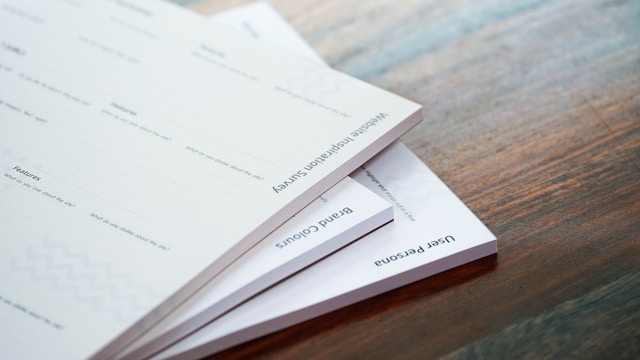
A notepad might seem like the simplest thing in the world: a stack of paper, bound on one edge, ready for whatever you need to scribble down. But there’s a reason notepads haven’t disappeared in an age of tablets and smartphones. They’re immediate, tactile, and surprisingly personal. Whether you’re jotting a grocery list, sketching a wireframe, or handing a branded pad to a client at a conference, the notepad does something digital tools can’t: it makes the act of writing feel intentional. Custom notepads, both personalized and branded, take that utility a step further by turning a basic tool into something that reflects who you are or what your business stands for. The best part is that they’re affordable, endlessly versatile, and far easier to design than most people assume. If you’ve ever considered ordering a set for yourself, your team, or your customers, this guide covers everything from paper types and design choices to where you should actually buy them and what to watch out for before you place an order.
What Are Notepads and How Are They Used
What Are Notepads
A notepad is a pad of paper sheets, typically glued or bound along one edge, designed for writing quick notes, lists, reminders, or sketches. Most notepads are unbound on three sides so you can tear off individual sheets easily. They range from tiny 3×5-inch pocket pads to full letter-sized desk pads. Some have lined pages, others are blank or gridded, and the binding can be as simple as a strip of adhesive along the top edge or as structured as a spiral wire.
Everyday Uses for Notepads
People use notepads for an enormous range of tasks. At home, they live on kitchen counters for grocery lists, on nightstands for late-night ideas, and near phones for taking messages. In offices, they’re used for meeting notes, to-do lists, phone messages, and brainstorming sessions. Students use them for quick study notes. Artists use blank pads for thumbnails and sketches. Doctors, therapists, and consultants often keep a notepad close for session notes. The simplicity is the point: there’s no login, no battery, no app to open. You just pick it up and write.
Why Notepads Are Still Essential
Despite the rise of note-taking apps, physical notepads remain popular because they reduce screen fatigue and improve memory retention. Studies from Princeton and UCLA found that people who take handwritten notes process information more deeply than those who type. There’s also a psychological benefit: crossing an item off a physical list feels more satisfying than tapping a checkbox. For businesses, a notepad sitting on a client’s desk keeps your brand visible for weeks or months. That kind of passive exposure is hard to replicate with digital marketing.
Types of Custom and Personalized Notepads
Custom Notepads for Personal Use
Custom notepads designed for personal use let you choose everything from the paper size and ruling style to the cover design. Want a meal-planning pad with checkboxes and a weekly grid? You can build that. Prefer a plain, cream-colored pad with your initials embossed at the top? That’s an option too. Personalized pads are popular gifts, especially for teachers, writers, new homeowners, and anyone who appreciates a thoughtful, practical present. They cost surprisingly little: many online printers offer sets of 50-sheet pads starting around $8 to $15 each, with prices dropping significantly for bulk orders.
Personalized Notepads with Names or Messages
Personalized notepads typically feature a name, monogram, or short message printed on every sheet. These are a step beyond generic customization because they feel uniquely yours. A real estate agent might have her name and phone number on each page. A parent might order a set for a child heading off to college with their name and a fun design. The personalization makes the pad harder to misplace (your name is right there) and adds a touch of identity to something that would otherwise be mundane. Personalized pads also work well as wedding favors, corporate gifts, or stocking stuffers.
Customized Notepads for Different Styles
Customized notepads come in a wide range of styles to match different needs. Magnetic notepads stick to refrigerators. Desk pads sit under your keyboard and double as a writing surface. Pocket-sized pads fit in a jacket or apron. Spiral-bound pads flip open easily, while top-glued pads tear cleanly. You can also choose between lined, dotted, grid, or completely blank pages depending on whether you’re writing, sketching, or planning. The style you pick should match how and where you’ll use it: a bulky desk pad won’t help a server taking orders, and a tiny pocket pad isn’t ideal for detailed meeting notes.
Branded Notepads for Business Use
What Are Branded Notepads
Branded notepads are custom pads printed with a company’s logo, colors, tagline, or contact information. They serve both as practical office supplies and as marketing tools. Every sheet a client or employee tears off carries your brand. Unlike a business card that gets tucked into a drawer, a branded notepad stays on a desk and gets used daily. The branding is subtle but persistent, which is exactly what makes it effective.
Benefits of Using Branded Notepads
The real value of branded notepads is their cost-per-impression ratio. A pad of 50 sheets might cost you $2 to $4 in bulk, and each sheet gets seen multiple times before it’s discarded. Compare that to a digital ad that costs $1 or more per click and disappears in seconds. Branded pads also signal professionalism: handing a client a notepad with your logo makes a polished, thoughtful impression. Internally, they build team cohesion. Employees using company-branded supplies feel more connected to the organization, especially in remote or hybrid work environments where small physical touches matter.
When to Use Custom Notepads for Marketing
Trade shows and conferences are the most obvious use case: attendees love free notepads because they’re genuinely useful. But don’t stop there. Include a branded pad in client welcome kits, new employee onboarding packages, or thank-you gifts after a project wraps. Real estate agents leave them at open houses. Medical offices place them in waiting rooms. Hotels put them on nightstands. Any situation where someone might need to write something down is an opportunity to put your brand in their hands.
How to Choose the Right Notepads
What Makes High Quality Notepads
Quality in a notepad comes down to three things: the paper, the binding, and the print. Cheap paper bleeds ink, feels flimsy, and tears unevenly. Good paper (at least 60 lb. text weight) holds up to ballpoint, gel, and even fountain pens without feathering. The binding should keep sheets firmly attached until you want to tear them off: nothing is more annoying than pages falling out prematurely. Print quality matters too, especially for branded pads where a blurry logo undermines the whole point.
Paper Types, Sizes and Layout Options
Most notepads use uncoated paper, which is easier to write on than glossy stock. Within uncoated options, you’ll find bright white (crisp and professional), natural white (slightly warm), and cream (easier on the eyes for extended writing). Standard sizes include 3.5×5 inches (pocket), 5.5×8.5 inches (half-letter, the most popular), and 8.5×11 inches (full letter). Layout choices range from ruled lines and grids to dot grids and blank pages. Some printers also offer custom layouts, so you can add checkboxes, date fields, or section dividers tailored to your workflow.
Design Features That Stand Out
A few design choices can elevate a notepad from generic to memorable:
- Rounded corners resist dog-earing and feel more refined
- Colored edges (painted or foil) add a premium touch for very little extra cost
- A chipboard backer provides stiffness, making the pad usable without a desk
- Full-bleed printing (color that extends to the edge of the page) looks more polished than designs with white borders
- Perforated tear lines ensure clean removal every time
These small details don’t add much to the per-unit cost but significantly affect how the pad feels in someone’s hands.
How to Design Custom Notepads
Adding Logos, Names or Branding
If you’re creating branded notepads, place your logo where it’s visible but not intrusive. The top center or top-left corner works well for most layouts. Keep the logo small enough that it doesn’t crowd the writing area: about 10-15% of the page height is a good rule of thumb. Include your website or phone number in a footer if the pad is meant for clients. For personalized pads, names look best in a clean font at the top of the page, centered or left-aligned depending on the overall style.
Choosing Colors and Layouts
Stick to your brand’s color palette if the pad is for business use. If it’s personal, pick colors you actually like rather than following trends. One practical tip: avoid dark backgrounds on writing surfaces. They look striking in mockups but make handwriting harder to read, especially in pencil. Light backgrounds with colored accents (a border, a header bar, or a subtle watermark) strike the right balance between visual interest and usability. For layouts, think about what you’ll actually write. A to-do list pad needs checkboxes. A meeting notes pad benefits from a date line and a subject field at the top.
Creating Functional and Clean Designs
The best notepad designs prioritize function. Every element on the page should serve a purpose. If you’re adding a decorative border, make sure it doesn’t eat into the writing space. If you’re including a grid, choose a line spacing that matches how you write: 6mm for small handwriting, 8-9mm for average, and 10mm+ for larger script. White space is your friend. A pad that feels open and uncluttered invites use, while a cramped, over-designed pad gets shoved in a drawer. Test your design by printing a single sheet at home and actually writing on it before you commit to a full order.
Where to Buy Custom Notepads
Finding Personalized Notepads Online
Most people order personalized notepads through online print shops, and the options are vast. Companies like Vistaprint, MOO, Zazzle, and Shutterfly all offer notepad customization with drag-and-drop design tools. For more control, specialty printers like Overnight Prints or 48 Hour Print let you upload your own design files. Etsy is another strong option if you want something handmade or illustrated by an independent designer. Prices vary widely: expect to pay $5 to $20 per pad for small orders and $1 to $4 per pad for bulk runs of 100 or more.
What to Check Before Ordering
Before you hit “order,” verify a few things. First, check the paper weight: anything below 50 lb. text will feel cheap. Second, confirm whether the price includes a chipboard backer, which is essential for pads that won’t always be used on a flat surface. Third, read reviews about print quality and color accuracy: what looks vibrant on screen sometimes prints dull or shifted. Fourth, check the turnaround time. Standard production is usually 5 to 7 business days, but shipping can add another week. If you need pads for an event, order at least three weeks in advance.
Choosing a Trusted Notepad Provider
A reliable provider should offer proofs before printing, provide responsive customer service, and clearly outline paper stock, binding method, and shipping options. Look for printers that show real product photos rather than just digital mockups. If you’re ordering in bulk for a business, ask about samples: most reputable companies will send one for a small fee or even free of charge. Avoid providers with no reviews, vague product descriptions, or prices that seem too good to be true. A $0.50 notepad might save money upfront, but damage your brand if the quality is poor.
Final Thoughts on Notepads
Choosing the Best Notepads for Your Needs
The right notepad depends entirely on how you plan to use it. For personal use, focus on size, paper quality, and a design that makes you want to pick it up. For business, prioritize branding consistency and durability. If you’re giving them away as marketing materials, think about what your recipient actually needs: a pad that’s useful gets kept, and a pad that gets kept keeps your brand visible.
Are Personalized Notepads Worth It
Absolutely, if you choose wisely. A well-made personalized notepad costs a few dollars and delivers months of daily use. As a gift, it shows more thought than a generic item. As a marketing tool, it outperforms most giveaways on a cost-per-impression basis. The key is not to cheap out on paper quality or design: a flimsy pad with a pixelated logo does more harm than good.
Who Should Use Custom Notepads
Anyone who writes things down, which is nearly everyone. Small business owners, freelancers, teachers, event planners, real estate agents, medical professionals, and parents all benefit from having custom or branded notepads on hand. They’re one of those rare products that are both personal and professional, both practical and promotional. If you’ve been thinking about ordering a set, start with a small batch, test the design, and scale up once you’re happy with the result.

Email your news TIPS to Editor@Kahawatungu.com — this is our only official communication channel
