
Close Menu
    Facebook X (Twitter) Instagram
    Facebook X (Twitter) Instagram
    KahawatunguKahawatungu
    Button
    • NEWS
    • BUSINESS
    • KNOW YOUR CELEBRITY
    • POLITICS
    • TECHNOLOGY
    • SPORTS
    • HOW-TO
    • WORLD NEWS
    KahawatunguKahawatungu
    HOW-TO

    How to Test a Fuse with a Multimeter

    Damaris GatwiriBy Damaris GatwiriMay 9, 2026No Comments2 Mins Read
    Facebook Twitter WhatsApp Telegram Email
    How to Test a Fuse with a Multimeter
    Share
    Facebook Twitter WhatsApp Telegram Pinterest Email Copy Link

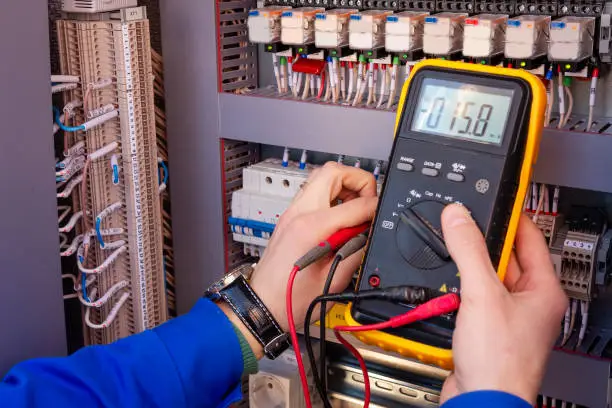
    A fuse is an important safety component that protects electrical devices and circuits from damage caused by excessive current. When a fuse blows, the connected device may stop working completely. Learning how to test a fuse with a multimeter helps you identify faulty fuses quickly and safely. With the right tools and careful handling, you can determine whether a fuse is still functioning properly.

    1. Table of Contents

      Toggle
      • Turn Off the Power Source
      • Remove the Fuse Carefully
      • Set the Multimeter Correctly
      • Test the Fuse
      • Interpret the Results

      Turn Off the Power Source

    Before testing a fuse, disconnect the device or switch off the power supply.

    This helps prevent electrical shock and protects the equipment.

    • Unplug the device if possible
    • Switch off the main power
    • Ensure the area is safe
    1. Remove the Fuse Carefully

    Take the fuse out of the device or fuse holder before testing it.

    Handle it gently to avoid damage.

    • Locate the fuse
    • Remove it carefully
    • Check for visible damage
    1. Set the Multimeter Correctly

    Turn the multimeter to the continuity or resistance setting.

    These settings help determine whether electricity can pass through the fuse.

    • Select continuity mode
    • Use resistance mode if needed
    • Ensure the multimeter is working properly
    1. Test the Fuse

    Place one multimeter probe on each end of the fuse.

    Observe the reading on the multimeter display.

    • Touch both ends of the fuse
    • Listen for a beep in continuity mode
    • Check resistance reading
    1. Interpret the Results

    A working fuse will usually show continuity or very low resistance.

    If there is no reading or no beep, the fuse is likely blown and needs replacement.

    • Low resistance indicates a good fuse
    • No continuity suggests a blown fuse
    • Replace faulty fuses safely

    Also Read: How to Style Bob Braids

    Email your news TIPS to Editor@Kahawatungu.com — this is our only official communication channel

    Follow on Facebook Follow on X (Twitter)
    Share. Facebook Twitter WhatsApp LinkedIn Telegram Email
    Damaris Gatwiri

    Damaris Gatwiri is a digital journalist, driven by a profound passion for technology, health, and fashion.

    Related Posts

    How to Unblock My FNB App

    May 13, 2026

    How to Turn Off TalkBack on Lock Screen

    May 13, 2026

    How to Turn Off Parental Controls

    May 13, 2026

    Comments are closed.

    Latest Posts

    Kenya Airways to Resume Dubai Flights After Months of Suspension

    May 13, 2026

    Epstein abused me while under house arrest, survivor tells US lawmakers

    May 13, 2026

    Alleged scammer extradited after hacking attempt on BTS star Jungkook

    May 13, 2026

    More than 1,000 passengers held on cruise after gastrointestinal illness outbreak

    May 13, 2026

    Philippine Senate in lockdown after gunshots fired

    May 13, 2026

    Trump arrives in China for high-stakes meeting with Xi Jinping

    May 13, 2026

    CAK Pushes Changes to Sacco Amendment Bill Over Regulatory Concerns

    May 13, 2026

    Kabogo Appears Before Senate Over Child Online Protection, Cyber Safety Concerns

    May 13, 2026
    Facebook X (Twitter) Instagram Pinterest
    © 2026 Kahawatungu.com. Designed by Okii.

    Type above and press Enter to search. Press Esc to cancel.