


A new research study by the Africa Economic Research Consortium (AERC) has established that public policy architects must move with speed to prioritise access to clean energy solutions, especially for women in rural areas.
The study, titled “Gendered Differences in Household Cooking Coping Strategies for the Russia-Ukraine War in Kenya,” has established that the Russia-Ukraine war disrupted global supply chains, leading to higher fuel prices, as well as food and fertiliser prices, exacerbating existing gender disparities in Kenya.
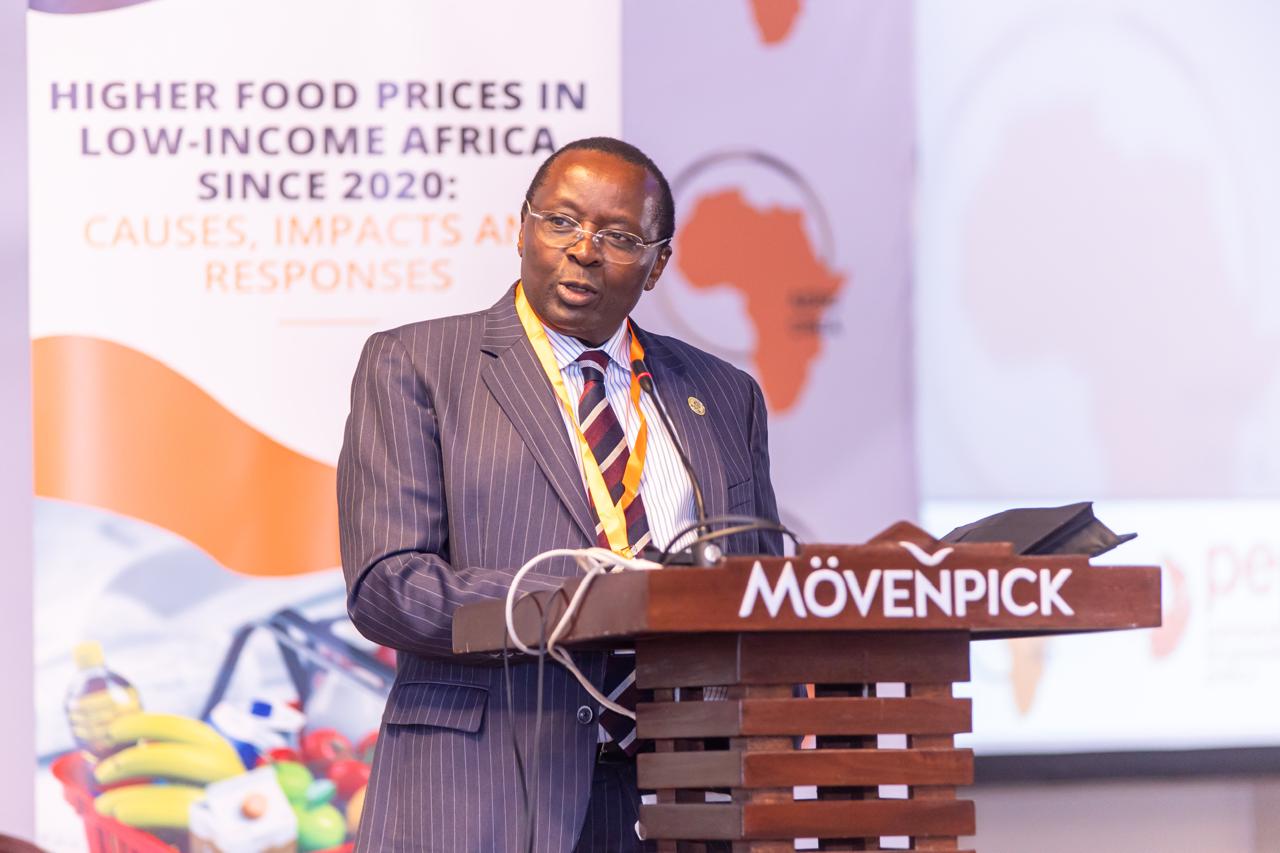
Speaking during an AERC Side Event at the Supporting Pastoralism and Agriculture in Recurrent and Protracted Crises Programme (SPARC) and Jameel Observatory Joint Conference held at a Nairobi Hotel, AERC Executive Director Prof Victor Murinde underscored the urgent need to prioritise policy interventions to provide clean energy access for women in rural areas.
“The persistence of high food and fertiliser prices continues to affect the well-being of many vulnerable households. This research shows that whereas these shocks often begin globally, in this case, the Russia-Ukraine war, their effects are deeply felt at the household level across Africa,” Prof Murinde said.
The AERC study findings, he said, highlight the reality that women, already heavily impacted by the economic challenges of the COVID-19 pandemic, faced further burdens due to rising fuel prices.
According to recent study findings, Prof. Murinde noted that during economic shocks, women are more likely to switch to cheaper, traditional cooking fuels, despite their adverse effects.
Switching to such fuels exposes women to spending significantly more time on fuel collection and meal preparation than men.
“The study uncovered significant gendered differences in cooking strategies. About two-thirds of the households that stopped using kerosene following the Russia-Ukraine war switched to LPG, a cleaner fuel. This was less in women than in men. Further, only about 8% of the households switched to firewood, and this was mainly in rural areas, with women being more likely to switch to this fuel than men,” Prof Murinde said.
“Ensuring that clean cooking energy is available and affordable, especially for women in rural areas, should be a policy priority.”
The study, published by AERC as a working paper, was undertaken by Researchers Onyango Dickson Wandeda, Macharia Kenneth Kigundu, Ngui Dianah, and Maloi Lanoi.
The researchers investigated gendered cooking coping strategies in Kenya following the Russia-Ukraine war. It also examined gender differences in time savings related to these strategies.
It assessed the effectiveness of a fuel subsidy introduced to mitigate the adverse effects of the war on households.
The AERC side event today brought together national policymakers, NGOs and other implementing organisations, and multilaterals based in Nairobi, including UN agencies, development banks, CGIAR agricultural research centres, and other key stakeholders who have important roles to play in shaping new research findings, paving new policy directions, and initiating innovative practices in the areas of food security.
The discussions emphasised the urgency of translating research into practical solutions that safeguard low-income households.
As Africa continues to navigate the realities of high food prices, the findings provide a vital roadmap for shaping policies that advance food security, equity, and sustainable growth across the continent.
Email your news TIPS to Editor@Kahawatungu.com — this is our only official communication channel
