


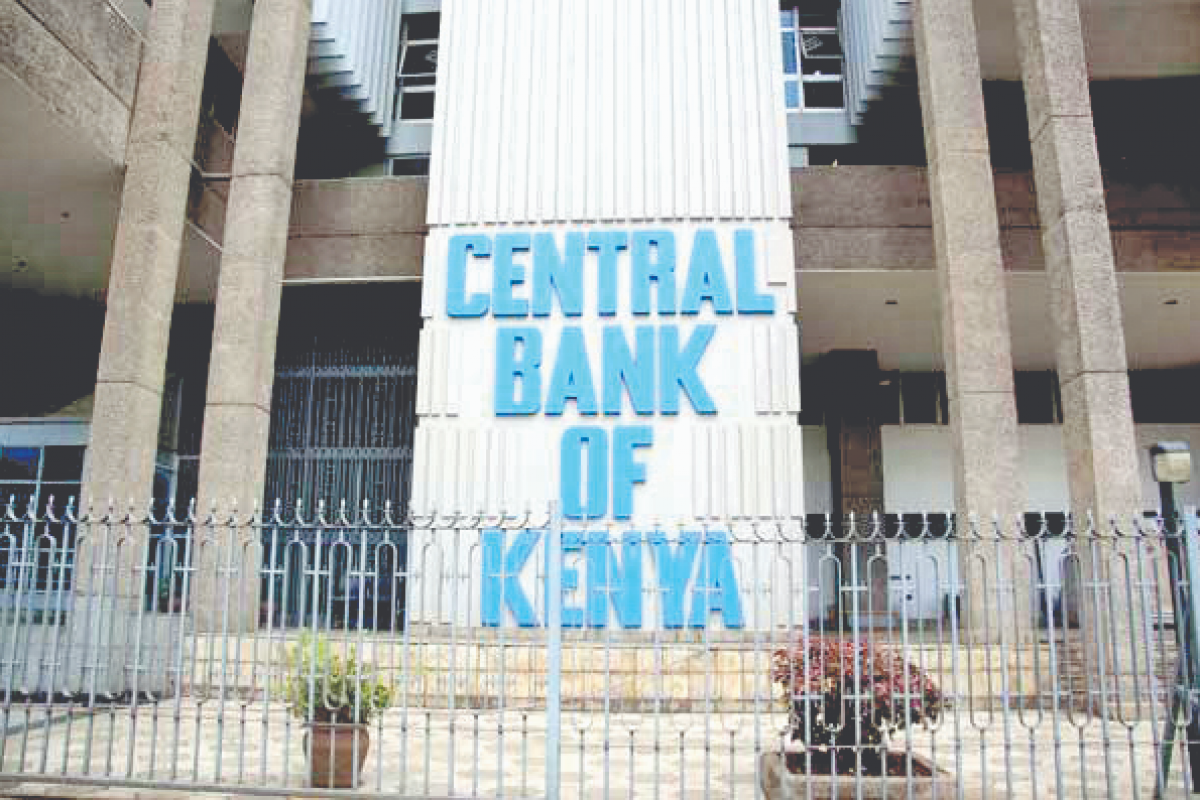
The Central Bank of Kenya (CBK) is seeking wider powers to provide emergency financial support to struggling banks, including extending the duration of liquidity assistance loans, under proposed amendments aimed at strengthening financial sector stability.
The proposed changes are contained in the Central Bank of Kenya (Amendment) Bill, 2026, which has been tabled in the National Assembly. The Bill seeks to enhance the regulator’s ability to support commercial banks and microfinance institutions facing temporary liquidity challenges that are not caused by mismanagement.
According to the proposed law, CBK will be allowed to extend the tenure of emergency liquidity assistance from the current six months to up to 12 months, with discretion to grant further extensions where necessary.
“The emergency liquidity assistance granted shall be discretionary in nature, temporary, and subject to such terms and conditions as may be determined by the bank,” part of the Bill states.
The legislation further provides that any loan or advance granted under the framework may run for up to 12 months, with CBK retaining the authority to extend the period under conditions it deems appropriate.
The move is expected to strengthen the central bank’s role as lender of last resort, providing greater flexibility in responding to liquidity pressures within the banking sector and helping prevent instability during periods of financial stress.
CBK currently offers liquidity support to commercial and microfinance banks through several facilities designed to ensure institutions are able to meet short-term obligations and maintain confidence in the financial system.
Among the existing mechanisms is the discount window, which provides overnight secured loans to banks at a penal rate above the Central Bank Rate (CBR) to discourage excessive reliance on central bank funding.
The current discount rate stands at 9.25 percent, comprising the prevailing CBR of 8.25 percent plus a 0.5 percentage point premium.
According to CBK, the penal rate is intended to encourage banks to seek funding from the market before turning to the central bank for support.
“The penal rate restricts banks to seek funding in the market, only resorting to Central Bank funds as a last solution,” CBK has previously stated.
The regulator also operates the Liquidity Support Framework (LSF), which provides medium-term loans backed by bank assets to institutions experiencing temporary liquidity constraints arising from factors other than mismanagement.
The framework was introduced in April 2016 following the collapse of Chase Bank, which was placed under receivership after failing to meet its financial obligations.
Latest financial disclosures show that CBK extended Sh56.5 billion in securities and advances to banks during the 12 months to June 2025, including Sh44.9 billion through the Liquidity Support Framework.
The proposed amendments come as regulators seek to strengthen safeguards within the banking sector and ensure financial institutions facing temporary liquidity challenges can access support without undermining overall market stability.
If approved by Parliament, the changes are expected to give CBK greater flexibility in managing banking sector risks while helping safeguard depositor confidence and the resilience of Kenya’s financial system.

Email your news TIPS to Editor@Kahawatungu.com — this is our only official communication channel
