


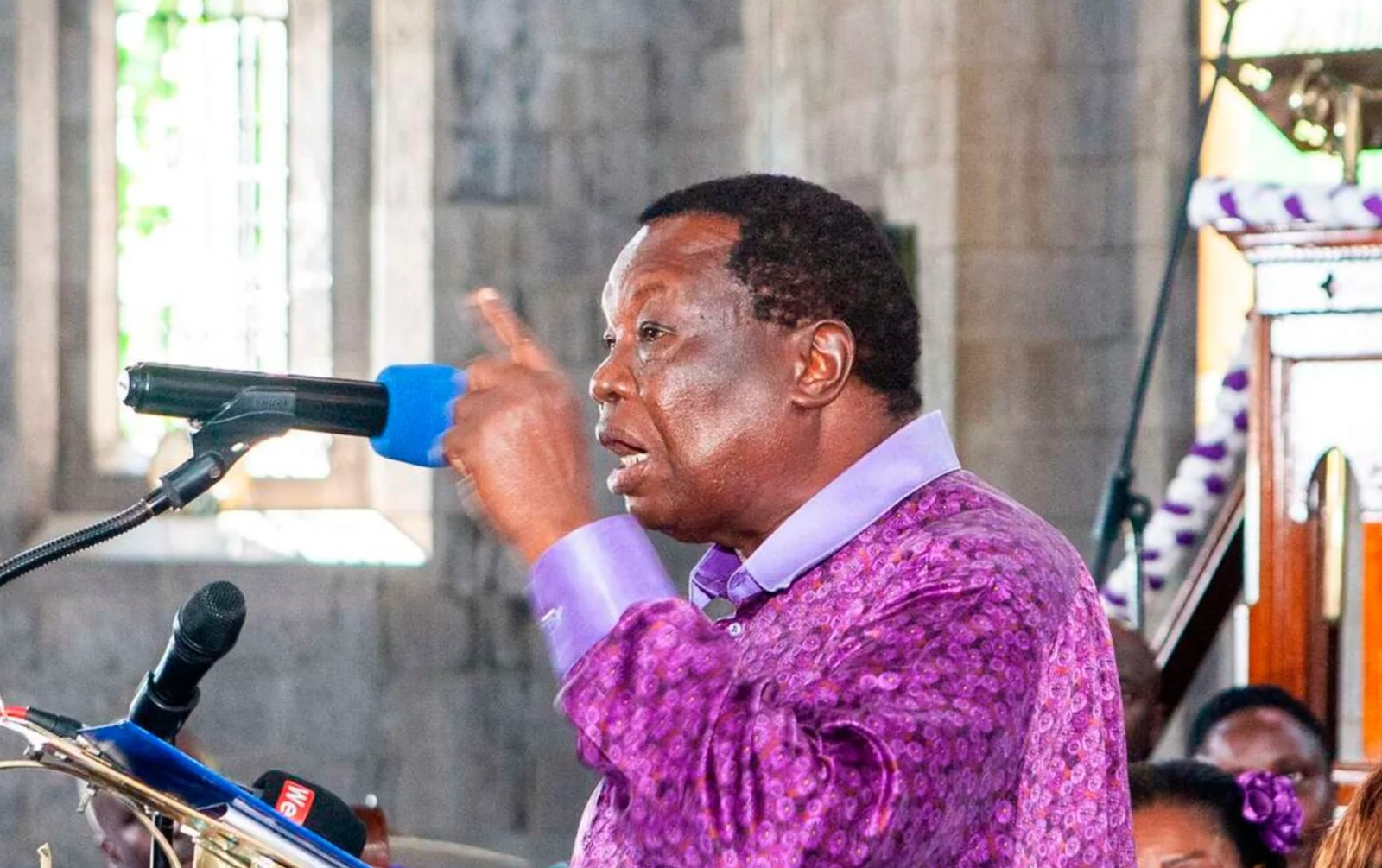
The Central Organization of Trade Unions, Kenya (COTU-K), has expressed serious concern over what it terms as a looming misuse of the Affordable Housing Levy.
In a statement released on Tuesday, June 3, 2025, COTU Secretary-General Francis Atwoli called on President William Ruto to safeguard workers’ contributions, warning that the housing levy may soon be directed to unintended projects.
President Ruto has previously defended the use of the housing levy, saying it is part of a broader development agenda beyond just affordable housing.
Speaking during a meeting with Coast region leaders at State House last week, the President said the levy is also funding other infrastructure projects, such as markets and student hostels.
“We are not only using the housing levy to construct affordable housing, but we are also using it to build the markets. We now have 260 markets going on in Kenya,” Ruto said.
The Affordable Housing Levy deducts 1.5 percent from an employee’s gross salary, with employers matching that with another 1.5 percent, bringing the total to 3 percent. Despite public debate and court challenges, the President maintains that the levy is already transforming urban centres across Kenya.
“Go to any big town today in Kenya—go to Mandera, Garissa, Kisumu, Bungoma, Kakamega—anywhere. The largest housing development is affordable housing,” he said. “And this is just in two years. Tell me what is going to happen a few years from now.”
Ruto added that the programme will also support construction of hostels for college students and create jobs for the youth, saying women traders will also benefit through access to better markets.
However, COTU has faulted proposed regulations adopted by the National Assembly which, if approved, could see the housing levy funds used for projects outside the original intention of building decent homes for workers.
According to Atwoli, the new Affordable Housing Regulations—yet to be ratified by the Attorney General—contain provisions that may allow levy funds to be spent on projects such as health centres, early childhood education centres, fire stations, police posts, social halls, and open spaces. While acknowledging the value of these services, Atwoli insisted they were not part of what Kenyan workers were promised when the levy was introduced.
He noted that COTU supported the Affordable Housing Programme in good faith, with the belief that workers contributing to the fund would benefit directly by getting access to quality, affordable housing.
“At no point were Kenyan workers represented by COTU (K)—who form 90 percent of the contributors—consulted during the drafting of these regulations,” he said. “No form of meaningful public participation involving workers took place before the regulations were adopted by Parliament.”
COTU is now calling for the immediate suspension of the process and for a fresh, inclusive approach involving worker representatives. Atwoli urged the government to engage COTU in redrafting the regulations to protect the integrity and original purpose of the housing levy.
“COTU (K) reiterates its unwavering support for the Affordable Housing Programme, but we will not stand by and watch as our members’ contributions are diverted away from the primary purpose of providing them with homes,” Atwoli said.
The union is urging President Ruto to personally intervene and ensure that workers’ funds are used strictly for building affordable housing, as originally intended.
Email your news TIPS to Editor@Kahawatungu.com — this is our only official communication channel
