


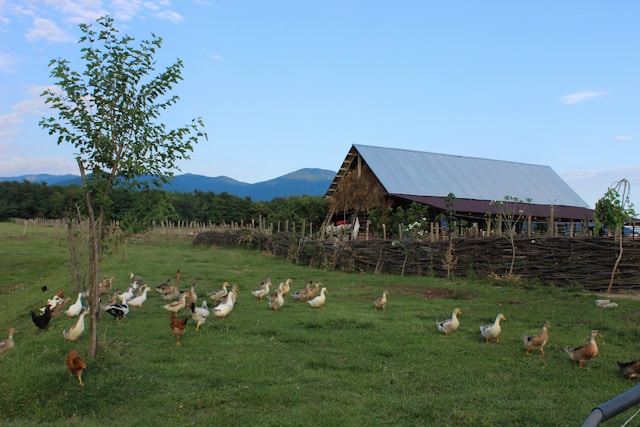
Raising chickens on a farm comes with its share of responsibilities, and one of the most important is ensuring they have a safe, comfortable shelter. A well-designed coop protects them from harsh weather, predators, and disease while providing a stress-free environment that encourages egg production and overall health. This guide will walk you through everything you need to know about building the ideal chicken shelter.
Choosing the Right Location
The first step in building a proper shelter is selecting the best location. Chickens thrive in an area that offers both shade and sun. Choose a spot that is slightly elevated to prevent water accumulation and muddy conditions. Good drainage is essential to keeping the coop dry and reducing the risk of disease.
Additionally, placing the coop near trees or windbreaks helps shield the flock from harsh winds and extreme temperatures. Avoid areas prone to flooding or standing water, as excess moisture can lead to respiratory issues and mold growth inside the shelter.
Designing the Coop: Space and Layout Considerations
Chickens need enough space to move freely without feeling crowded. The general rule is to allocate at least 2-3 square feet per bird inside the coop and 8-10 square feet per bird in the run. If space is limited, consider vertical designs with multiple levels to maximize the area.
Ventilation is another crucial factor. Ample airflow prevents ammonia buildup from droppings and helps regulate temperature. Install vents near the roof or use windows covered with hardware mesh to allow fresh air in while keeping predators out.
For easy maintenance, design the coop with large doors that allow quick access for cleaning and egg collection. Nesting boxes should be positioned in a quiet, darker area to encourage hens to lay eggs comfortably.
Essential Features for a Comfortable Shelter
A well-equipped chicken shelter includes key features that enhance the flock’s comfort and security. Here’s what to consider:
- Roosting Bars: Chickens instinctively perch at night to feel safe. Install sturdy roosting bars at least 2 feet above the ground, ensuring each bird has about 8-12 inches of space.
- Nesting Boxes: Provide one nesting box per 3-4 hens. These should be about 12×12 inches and lined with straw or soft bedding to encourage egg-laying.
- Flooring: Choose a flooring material that is easy to clean and resistant to moisture. Concrete, wooden planks, or thick layers of straw work well. Deep-litter methods, where bedding is layered and turned regularly, can help manage waste effectively.
- Insulation: If you live in an area with extreme weather, insulation can make a big difference. Use straw bales, foam boards, or even recycled materials to help regulate temperatures inside the coop.
Predator-Proofing the Shelter
Chickens are vulnerable to various predators, including raccoons, foxes, hawks, and even stray dogs. Taking proactive measures to secure the shelter is essential.
- Use Strong Wire Mesh: Regular chicken wire is not enough to keep out determined predators. Instead, opt for ½-inch hardware cloth to cover openings, windows, and vents.
- Bury Fencing: Many predators dig under enclosures. Bury the coop’s perimeter fencing at least 12 inches deep and bend it outward to prevent burrowing.
- Secure Doors and Locks: Use sturdy latches on coop doors, as raccoons are known to open simple hook-and-eye closures.
- Cover the Run: If free-ranging isn’t an option, provide a covered run with netting or wire to prevent aerial attacks from hawks and owls.
Mobile Shelters: A Smart Alternative
For farmers looking for flexible solutions, chicken tractors offer a great way to keep birds safe while allowing them access to fresh grass. These mobile coops can be moved regularly, providing chickens with new foraging areas while also fertilizing the soil. Chicken tractors reduce the risk of disease buildup in one spot and minimize maintenance compared to stationary coops.
Proper Lighting and Temperature Control
Chickens need natural daylight exposure to maintain their laying cycles. If natural light is limited during winter, supplement with artificial lighting to provide about 14-16 hours of light per day. However, avoid keeping bright lights on continuously, as this can stress the flock.
Temperature control is another concern, especially in colder climates. While chickens tolerate the cold well, ensure they have a draft-free coop with adequate insulation. In extreme heat, ventilation and shade become critical to prevent heat stress. Providing cool water and placing frozen water bottles inside the coop can help keep temperatures down.
Maintaining Cleanliness for a Healthy Flock
A clean shelter is vital to preventing disease. Regularly remove soiled bedding, clean nesting boxes, and scrub waterers and feeders to avoid mold and bacteria buildup. Deep-cleaning the coop every few months with a mixture of vinegar and water (rather than harsh chemicals) keeps it safe for the birds.
Proper waste management also reduces the risk of parasites. Using a deep-litter system or composting manure properly can turn waste into valuable fertilizer for your farm.
Conclusion
Building a comfortable and secure chicken shelter requires careful planning, but the rewards are well worth it. A well-designed coop promotes healthier birds, better egg production, and easier management. Whether you choose a stationary coop or a mobile option like chicken tractors, ensuring proper ventilation, space, and predator protection will create a stress-free environment for your flock.
For more expert tips on poultry care, check out Poultry Extension at the University of Minnesota for in-depth research and best practices on raising backyard and farm chickens.
Email your news TIPS to Editor@Kahawatungu.com — this is our only official communication channel
