


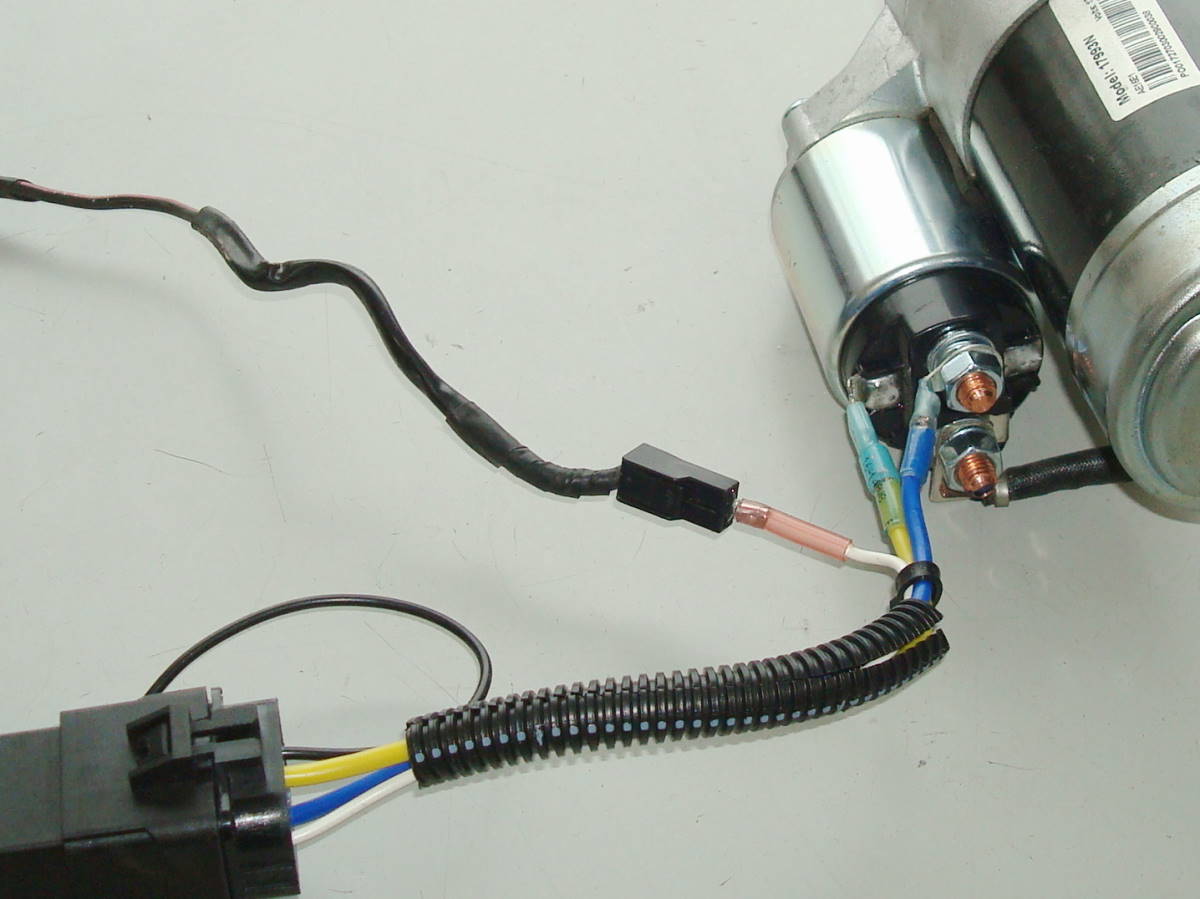
A starter relay is a small but crucial component in a vehicle’s starting system. It acts as a bridge between the ignition switch and the starter motor, allowing a low current from the ignition to trigger a higher current needed to crank the engine. Learning how to connect a starter relay properly helps ensure your engine starts smoothly every time and prevents electrical issues in your vehicle.
- Understanding the Function of a Starter Relay
When you turn the ignition key or press the start button, the starter relay receives a low-voltage signal. The relay then closes its internal contacts to send a high-voltage current from the battery to the starter motor. This process allows the starter motor to turn the engine over without the ignition switch having to handle large amounts of current directly.
A faulty or incorrectly connected relay can result in starting problems, such as a clicking sound or the engine not cranking at all.
- Tools and Materials You Will Need
Before beginning the connection, gather these tools and materials:
- A new starter relay (compatible with your vehicle model)
- Wrenches or socket set
- Screwdriver set
- Electrical wires and connectors
- Wire strippers and crimping tool
- Multimeter (for testing voltage)
- Electrical tape or heat shrink tubing
Having these items ready ensures a safe and efficient installation.
- Safety First
Always disconnect the negative terminal of the battery before handling any electrical connections. This prevents accidental short circuits or sparks that could damage the electrical system or cause injury. Make sure the vehicle is in “Park” (for automatic) or “Neutral” (for manual) and that the handbrake is engaged.
- Identifying the Relay Terminals
A typical 4-pin starter relay has four main terminals:
- Terminal 30: Power input from the battery (positive cable).
- Terminal 87: Output to the starter solenoid.
- Terminal 85: Ground connection.
- Terminal 86: Signal input from the ignition switch.
Some relays may be labeled differently, but the function remains the same.
- Steps to Connect a Starter Relay
- Locate the relay position.
Find the starter relay location in your vehicle. It is usually mounted near the battery, starter motor, or in the fuse box. Refer to your vehicle’s manual if you are unsure. - Disconnect the battery.
Remove the negative terminal of the battery to ensure safety before making any connections. - Connect the battery wire.
Attach the heavy positive cable from the battery to terminal 30 on the relay. This supplies the main power needed to activate the starter motor. - Connect the output wire.
From terminal 87, run a thick cable to the starter solenoid terminal. This is the path that delivers high current when the relay is activated. - Connect the ignition wire.
Connect the smaller wire from the ignition switch to terminal 86. This wire sends the signal to the relay when you turn the key to the “Start” position. - Connect the ground wire.
Attach a wire from terminal 85 to a clean metal surface on the vehicle chassis or directly to the negative terminal of the battery. This completes the relay circuit. - Secure all connections.
Tighten all terminals properly to avoid loose connections. Use insulation tape or heat shrink tubing to cover exposed metal parts for safety. - Reconnect the battery.
Once all connections are made, reconnect the negative terminal of the battery. - Test the system.
Turn the ignition key to the “Start” position. If the relay clicks and the starter motor cranks the engine, your connection is successful. If not, double-check all wires using a multimeter to ensure proper voltage flow.
- Troubleshooting Tips
- No click sound: The relay may not be receiving power from the ignition switch. Check the ignition wire and ground connection.
- Relay clicks but starter doesn’t turn: Inspect the connection between terminal 87 and the starter solenoid.
- Starter runs continuously: This indicates the relay contacts are stuck. Replace the relay immediately.
- Maintenance and Safety Tips
Regularly inspect the relay and wiring for corrosion or loose terminals. Clean the terminals if necessary and ensure the wires are not frayed or exposed. If your vehicle often experiences moisture exposure, consider sealing the relay connections to prevent rust and short circuits.
Also Read: How To Clean Pewter
Email your news TIPS to Editor@Kahawatungu.com — this is our only official communication channel
