


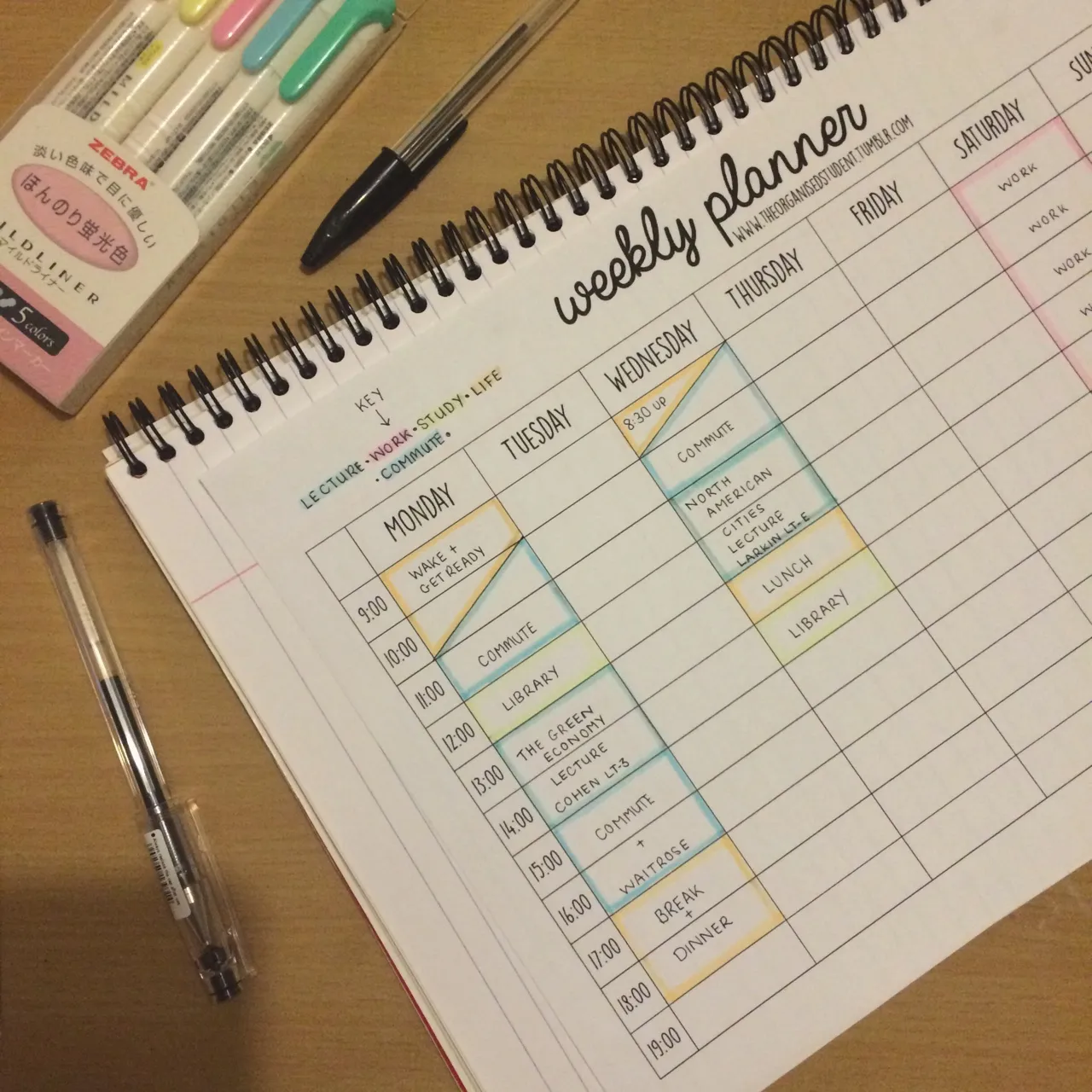
Knowing how to make a study time table is one of the most effective ways to improve focus, manage time, and achieve better academic results. A well-planned study schedule helps students organize their subjects, avoid last-minute cramming, and maintain a balanced routine that includes rest and other activities. Instead of studying randomly, a timetable provides structure and ensures that enough time is allocated to each subject.
Many students struggle with time management because they do not have a clear plan. A study timetable solves this problem by dividing available hours into manageable blocks dedicated to learning, revision, and breaks. When used consistently, it helps build discipline and reduces stress during exams or assignments.
Creating a study timetable does not have to be complicated. With careful planning and realistic goals, anyone can design a schedule that suits their daily routine.
-
Identify Your Study Goals
The first step in learning how to make a study time table is understanding what you want to achieve. Clear goals help you decide how much time each subject requires.
Consider the following when setting goals:
- Subjects that need more attention
- Upcoming exams or deadlines
- Topics that require revision
- Daily homework or assignments
By identifying your priorities, you can distribute study time more effectively and avoid spending too much time on one subject.
-
List All Your Subjects and Tasks
Before creating the timetable, write down everything you need to study. This gives you a complete picture of your academic workload.
Your list may include:
- School subjects or university courses
- Homework assignments
- Revision topics
- Practice tests or projects
Having a full list ensures that nothing is forgotten when planning your schedule.
-
Determine Your Available Study Time
A realistic timetable must fit into your daily routine. Calculate the hours you can actually dedicate to studying each day.
Think about:
- School or class hours
- Meal times
- Extracurricular activities
- Family responsibilities
- Time for rest and sleep
Understanding your available time helps you create a timetable that is practical and sustainable.
-
Divide Time into Study Blocks
Once you know your available hours, divide them into manageable study blocks. Studying for shorter periods with breaks in between improves concentration and prevents fatigue.
You can structure your study blocks like this:
- 40 to 60 minutes of focused study
- 5 to 10 minutes of rest between sessions
- Longer breaks after several study blocks
This method keeps your mind fresh and helps maintain productivity.
-
Assign Subjects to Each Time Slot
Now fill your timetable with subjects based on their importance and difficulty.
When assigning subjects:
- Schedule difficult subjects when your energy is highest
- Alternate between different subjects to avoid boredom
- Allocate more time to challenging topics
- Include regular revision sessions
Balancing subjects helps maintain interest and improves overall learning.
-
Include Breaks and Free Time
A good study timetable should not focus only on studying. Breaks are necessary for maintaining motivation and mental health.
Your timetable should include:
- Short breaks between study sessions
- Time for meals
- Physical activity or relaxation
- Adequate sleep at night
Including rest periods prevents burnout and improves long-term productivity.
-
Review and Adjust the Timetable
After creating your timetable, try following it for a few days and observe how it works.
During review:
- Check whether the study sessions are realistic
- Adjust time for subjects that need more attention
- Remove activities that waste time
- Improve the schedule based on your productivity levels
A flexible timetable allows you to improve your routine as your study needs change.
Also Read: How to Make Soft Ice Blocks
Email your news TIPS to Editor@Kahawatungu.com — this is our only official communication channel
