


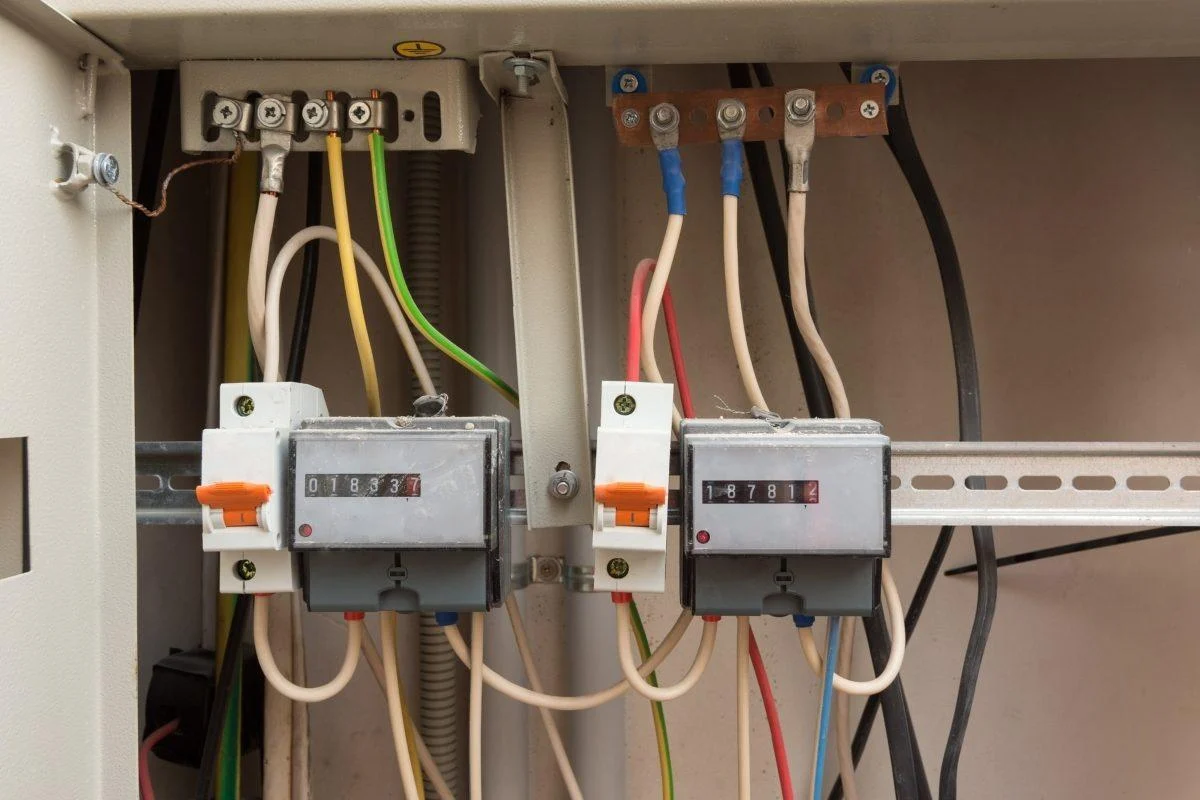
Connecting two inverters in parallel allows you to increase your total power output and ensure a more reliable electricity supply. This setup is common in homes, solar systems, and backup power installations where one inverter may not provide enough capacity to handle all electrical loads. However, it must be done correctly to avoid damaging the inverters or creating unsafe electrical conditions.
- Understanding Parallel Inverter Connection
When two inverters are connected in parallel, they share the same input (battery or solar supply) and output (AC load). This means they work together to supply power simultaneously. For example, if each inverter has a capacity of 2,000 watts, connecting them in parallel provides up to 4,000 watts of usable power.
To work in parallel, both inverters must have the same voltage rating, frequency, and compatible synchronization capability. Not all inverters support parallel operation, so always check the manufacturer’s specifications before attempting the connection.
- Requirements Before You Begin
Before setting up two inverters in parallel, ensure you have:
- Two identical inverters with parallel capability (same brand, model, and rating)
- A parallel communication kit or cable (usually provided by the manufacturer)
- A battery bank or solar system with sufficient capacity
- Heavy-duty cables for DC and AC connections
- Proper fuses or circuit breakers for safety
Having matching and compatible equipment ensures the system functions efficiently without voltage imbalance or power loss.
- Safety Precautions
- Always switch off both inverters and disconnect power before starting.
- Make sure the battery polarity (positive and negative terminals) is correct.
- Avoid mixing inverters of different models or manufacturers.
- Use circuit breakers on both input and output sides for protection.
- If unsure, consult a qualified electrician or solar technician.
Safety is critical, as incorrect wiring can cause inverter failure or electrical hazards.
- Steps to Connect Two Inverters in Parallel
- Check Compatibility
Confirm that both inverters support parallel connection. Look for a “Parallel” or “Communication” port at the back of each inverter. - Connect the Communication Cables
Use the manufacturer’s parallel communication cable to link both inverters. This allows them to synchronize frequency and voltage output automatically. - Connect the Battery Bank
Link both inverters to the same battery bank. Connect the positive terminal (+) of each inverter to the positive terminal of the battery, and do the same with the negative terminal (-). Use thick, equal-length cables to ensure balanced current flow. - Connect the AC Output in Parallel
Join the AC output terminals of both inverters together, ensuring correct polarity (Live to Live, Neutral to Neutral, Earth to Earth). This allows both inverters to share the load evenly. - Switch On the Inverters
Power on each inverter one at a time. The master inverter will automatically communicate with the secondary unit to synchronize output voltage and frequency. - Test the System
Once both inverters are running, connect an appliance or load to verify that power is shared between them. Monitor the output voltage and current to ensure they are balanced.
- Troubleshooting Common Issues
- Inverters not synchronizing: Check the communication cable and ensure both inverters are set to parallel mode.
- Overload warning: Reduce load or verify that the total power draw is within the combined inverter capacity.
- Unequal power sharing: Ensure cables are equal in length and thickness on both inverters.
- No power output: Check that the battery is charged and connections are secure.
- Maintenance and Monitoring
Regularly inspect all connections for tightness and corrosion. Keep the inverters in a well-ventilated area to prevent overheating. Many modern inverters have display screens or mobile apps that show power sharing and status—use these to monitor performance regularly.
Also Read: How To Clean Pewter
Email your news TIPS to Editor@Kahawatungu.com — this is our only official communication channel
