


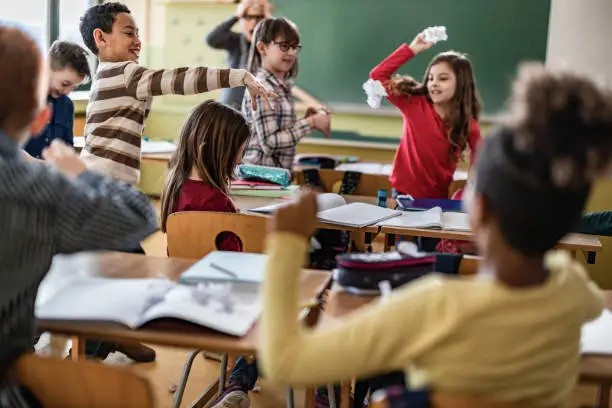
Understanding how to handle disruptive behavior in the classroom is an essential skill for every teacher. Classroom disruptions can interfere with learning, reduce instructional time, and create stress for both teachers and students. Disruptive behavior may range from talking out of turn and refusing to follow instructions to more serious actions that affect the safety and focus of the class. While such behavior can be challenging, it is manageable with the right strategies, consistency, and a positive approach.
This article explains how to handle disruptive behavior in the classroom by focusing on prevention, clear expectations, calm responses, and supportive interventions that promote a respectful learning environment.
-
Causes of Disruptive Behavior
Before addressing disruptive behavior, it is important to understand why it occurs. Behavior is often a form of communication, especially among students.
Common causes include:
- Lack of attention or engagement
- Difficulty understanding the lesson
- Emotional or personal challenges
- Need for attention or control
- Poor classroom structure or routines
Understanding the root cause helps teachers respond appropriately rather than reacting out of frustration.
-
Set Clear Classroom Rules and Expectations
Clear rules create structure and reduce confusion. Students are more likely to behave appropriately when they know what is expected of them.
Effective rule-setting practices include:
- Establishing rules at the beginning of the term
- Keeping rules simple and clear
- Explaining the reasons behind each rule
- Displaying rules where students can see them
- Applying rules consistently to all students
Clear expectations create a sense of fairness and security in the classroom.
-
Build Positive Relationships with Students
Strong teacher-student relationships play a major role in behavior management. Students are more likely to respect teachers who show care and understanding.
Ways to build positive relationships include:
- Learning students’ names and interests
- Showing empathy and active listening
- Offering praise for positive behavior
- Being approachable and respectful
When students feel valued, they are less likely to act out.
-
Use Engaging Teaching Methods
Disruptive behavior often increases when students are bored or disengaged. Engaging lessons help maintain attention and reduce classroom interruptions.
Effective engagement strategies include:
- Varying teaching methods
- Encouraging student participation
- Using group work and discussions
- Incorporating visuals and real-life examples
Engaged students are more focused and less likely to disrupt lessons.
-
Respond Calmly and Consistently to Disruptions
How a teacher responds to disruption can either escalate or resolve the situation. Calm, controlled responses are more effective than emotional reactions.
Helpful response strategies include:
- Addressing behavior immediately but calmly
- Using a firm, neutral tone
- Avoiding public embarrassment
- Focusing on the behavior, not the student
- Following through with consequences consistently
A calm response models self-control and maintains classroom authority.
-
Use Positive Reinforcement
Positive reinforcement encourages good behavior by recognizing and rewarding it.
Examples of positive reinforcement include:
- Verbal praise
- Classroom rewards or privileges
- Recognition of effort and improvement
- Encouraging peer acknowledgment
Focusing on positive behavior motivates students to repeat it.
-
Apply Fair and Appropriate Consequences
Consequences are necessary when disruptive behavior continues, but they should be fair, consistent, and age-appropriate.
Effective consequences include:
- Loss of privileges
- Time-outs or reflection periods
- Behavior contracts
- Parent or guardian communication when necessary
Consequences should aim to correct behavior, not punish the student harshly.
-
Address Individual Student Needs
Some students require additional support due to learning difficulties, emotional challenges, or home situations.
Support strategies include:
- One-on-one discussions
- Adjusting instructional methods
- Referring students to school counselors
- Collaborating with parents and administrators
Individualized support can significantly reduce repeated disruptions.
-
Maintain Consistent Classroom Routines
Routines help students know what to expect, which reduces anxiety and misbehavior.
Effective routines include:
- Clear procedures for starting and ending lessons
- Smooth transitions between activities
- Consistent seating arrangements
- Established signals for attention
Predictable routines create a stable learning environment.
-
Reflect and Improve Classroom Management Strategies
Classroom management is an ongoing learning process. Reflection helps teachers identify what works and what needs improvement.
Reflection practices include:
- Reviewing recurring behavior patterns
- Seeking feedback from colleagues
- Adjusting strategies when necessary
- Continuing professional development
Continuous improvement strengthens classroom management skills over time.
Also Read: How to Grow Nectarine from a Pit Successfully at Home

Email your news TIPS to Editor@Kahawatungu.com — this is our only official communication channel
