


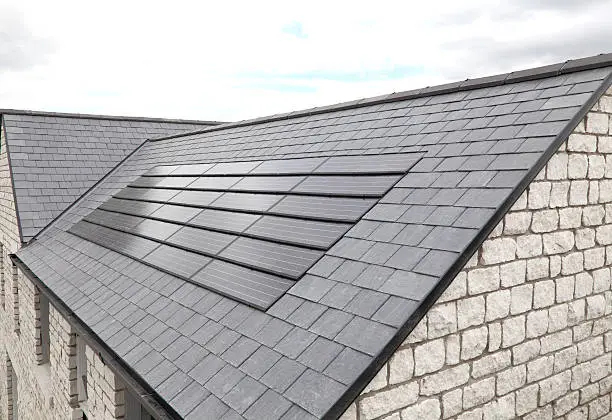
Mounting solar panels on a tile roof requires careful planning and the right tools to avoid damaging the tiles. Because tile roofs are more fragile than other types, installing solar panels must be done precisely to ensure both efficiency and durability. Whether you’re doing it yourself or overseeing a professional installation, here’s how to mount solar panels on tile roof.
- Assess the Roof and Plan the Layout
Start by evaluating the condition of the roof. Make sure the tiles are not cracked, loose, or worn out. You should also identify the sunniest sections of the roof, ideally those that face north (in the southern hemisphere) or south (in the northern hemisphere), and avoid areas shaded by trees or chimneys.
Once you determine the best position, map out where the solar panels will go and how many will fit based on available space and panel dimensions.
- Choose the Right Mounting System
Solar panels on tile roofs typically use one of these mounting systems:
- Tile replacement mounts – remove individual tiles and replace them with flashings that hold mounting brackets.
- Standoff mounts – require cutting and drilling through tiles to anchor brackets into the roof structure below.
- Rail-less systems – minimize roof penetration and can sit closer to the roof surface.
Make sure your chosen system is compatible with tile material—such as clay or concrete—and can support the panel weight.
- Remove or Cut Roof Tiles
Carefully remove the tiles where brackets will be installed. You can use a flat bar or tile remover tool to lift tiles without breaking them. If using standoff mounts, you may need to cut the tile using an angle grinder so that the bracket can sit flush and secure against the roof.
Always wear safety gear and work gently to avoid damaging surrounding tiles.
- Install Mounting Brackets
Once the tiles are out of the way, drill pilot holes into the rafters or battens underneath. Use stainless steel lag bolts to secure the mounting brackets. It’s essential to install them directly into structural framing for stability.
Apply a waterproof sealant or flashing to prevent water from leaking through the holes.
- Replace or Adjust Tiles
After the brackets are installed, place the tiles back around them. You may need to notch or modify some tiles slightly so they sit properly around the brackets without cracking. Ensure the roof remains watertight and aligned.
- Attach Rails or Racking
Secure the rails to the installed brackets. These rails will hold the solar panels. Use a spirit level to make sure they’re straight and evenly spaced. Tighten all bolts and clamps securely to prevent movement during strong winds or heavy rain.
- Mount the Solar Panels
Place the panels onto the rails and secure them using the appropriate clamps or clips. Follow the manufacturer’s guidelines to maintain proper spacing between panels and ensure correct alignment.
Once mounted, connect the electrical wiring from the panels to your inverter and home power system, ensuring all safety and code requirements are met.
- Final Checks and Testing
Inspect the entire setup for loose tiles, gaps, or wiring issues. Test the system to ensure it’s generating power properly. If you’re not certified, have a licensed electrician or solar installer complete the wiring and final connection to your home.
Also Read: How To Make Sugar
Email your news TIPS to Editor@Kahawatungu.com — this is our only official communication channel
