


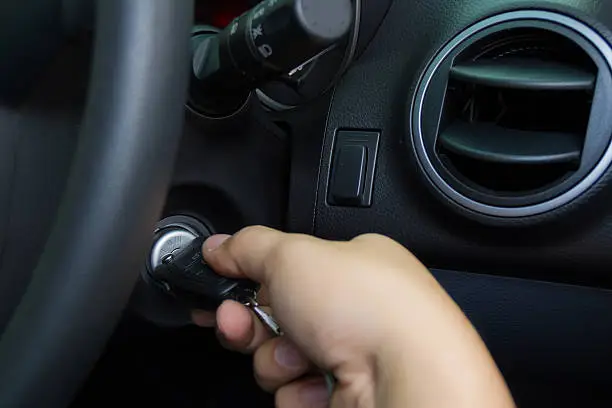
Modern vehicles are designed with immobilisers for safety, preventing the engine from starting without the correct key or signal from the key fob. This system protects your car from theft, but it can sometimes lock you out of your own vehicle when the key chip is damaged, the fob battery is dead, or the system malfunctions. Learning how to start a car without an immobiliser is not about bypassing security illegally but about understanding safe and practical options when you face an emergency situation. Always use these methods responsibly and for your own vehicle. Here is how to start car without immobilizer.
- Understand What an Immobiliser Does
An immobiliser is an electronic device built into most modern cars. It requires a coded signal from the key or fob to allow the engine to start. If the system does not detect the right signal, it cuts fuel or ignition, making it impossible for the car to run. This is an effective security feature, but it can create problems if the system fails. - Check for Simple Issues First
Before thinking about bypassing the immobiliser, check the basics. Sometimes, the car may fail to start due to a weak car battery, a dead key fob battery, or a damaged key. Replace the fob battery, try your spare key, or ensure the car battery is properly charged. These quick fixes often solve the problem without further steps. - Try the Spare Key or Reprogram the Key
If you have a spare key, try using it since sometimes only one key loses synchronization with the immobiliser system. In some cars, reprogramming the key may help. You can usually find instructions in the car’s manual, though many times this requires a visit to a dealer or an automotive locksmith with specialized tools. - Reset the Immobiliser System
Many vehicles allow you to reset the immobiliser by following certain steps. For example, you may need to insert the key into the ignition, turn it to the “on” position for a few minutes, and then back off before trying to start the car again. Other vehicles reset automatically after disconnecting and reconnecting the battery. Always check your vehicle manual for specific reset instructions. - Use the Car’s Manual Override (If Available)
Some cars come with a manual override procedure in case the immobiliser fails. This could involve entering a code using the ignition switch, pressing certain buttons in a sequence, or turning the key in a particular pattern. Not all cars have this feature, but it is worth checking the manual or contacting the manufacturer. - Consult a Professional Locksmith or Mechanic
If the immobiliser is permanently faulty, you may need help from a professional. Auto locksmiths and mechanics have the tools to diagnose immobiliser issues, reset the system, or replace damaged components. Some can also disable the immobiliser entirely, though this should only be done if there are no other options, as it reduces the car’s security. - Consider Immobiliser Removal (Last Resort)
In rare cases, owners may choose to have the immobiliser permanently removed, especially if it is constantly failing on an older car. This involves reprogramming the car’s electronic control unit (ECU). It is a complex process that must be done by specialists and may not be legal in all regions. - Prevent Future Immobiliser Problems
To avoid being stranded, always carry a spare key, keep your key fob batteries in good condition, and service your car’s electrical systems regularly. If your immobiliser often causes issues, it may be worth replacing or repairing it rather than bypassing it each time.
Also Read: How To Sleep With A Kidney Stent
Email your news TIPS to Editor@Kahawatungu.com — this is our only official communication channel
