


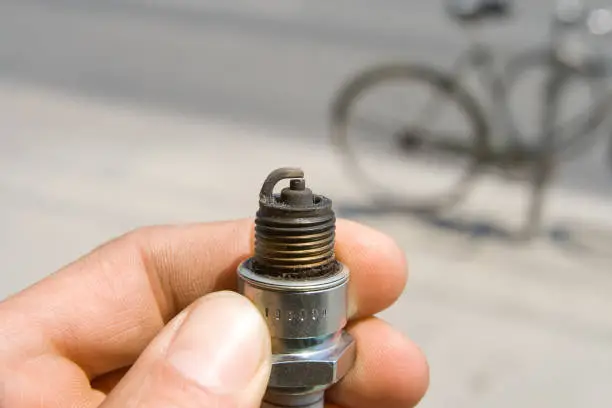
A spark plug is a small but important part of an engine. It delivers the spark that ignites the fuel-air mixture, allowing the engine to run smoothly. When a spark plug fails, the engine may misfire, stall, or lose power. Knowing how to test a spark plug helps you identify problems early and keep your engine in good condition. Here is how to test a spark plug.
- Gather the Right Tools
Before testing a spark plug, make sure you have the proper tools. You will need a spark plug socket, a ratchet, and possibly a spark plug tester. Having these tools ready ensures the process is safe and efficient.
- Turn Off the Engine and Let It Cool
Always test spark plugs on a cool engine. Working on a hot engine can cause burns or damage the plug threads. Make sure the ignition is off and remove the key before starting the process. Safety should always come first.
- Locate and Remove the Spark Plug
Open the engine cover and find the spark plugs, which are usually connected to thick wires or ignition coils. Gently remove the wire or coil, then use the spark plug socket and ratchet to unscrew the plug. Be careful not to damage the surrounding parts.
- Inspect the Spark Plug Visually
Check the spark plug for signs of wear or damage. A healthy spark plug should have a light tan or gray electrode. If you notice heavy carbon deposits, oil, or a cracked insulator, the spark plug may be faulty and should be replaced.
- Use a Spark Plug Tester
Attach the spark plug to a spark plug tester, then connect the tester to the ignition wire. Start the engine and observe the tester window. A strong, blue spark indicates the plug is working, while a weak or no spark means the plug is faulty.
- Test Without a Tester (Alternative Method)
If you don’t have a tester, reconnect the removed spark plug to its wire and hold the metal part against the engine block. Have someone turn the ignition briefly while you observe the plug tip. A visible spark shows it is working, but use caution with this method to avoid shocks.
- Reinstall or Replace the Spark Plug
If the plug is in good condition, reinstall it by hand first, then tighten with the socket. If it is damaged or worn, replace it with a new one of the correct type for your engine. Always ensure it is fitted securely but not over-tightened.
Also Read: How To Sleep With A Kidney Stent
Email your news TIPS to Editor@Kahawatungu.com — this is our only official communication channel
