


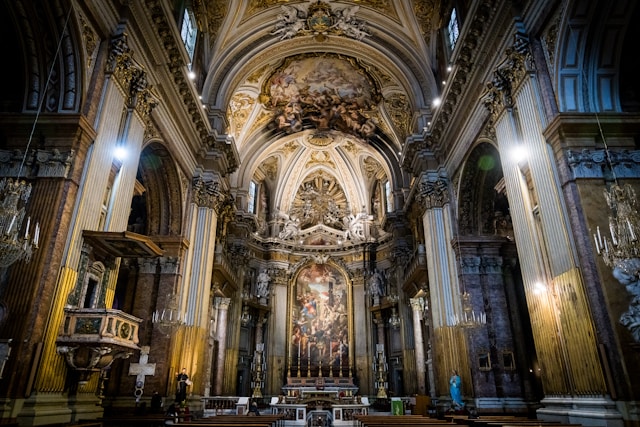
Italy isn’t the kind of place you simply visit; it’s a place that changes the pace of your thoughts. From the hush of ancient cathedrals to the soft glow of evening piazzas, the country has a way of slowing everything down, inviting you to look a little closer. The details — a curl of steam from a coffee cup, a line of washing fluttering between windows, the echo of footsteps on stone — become part of the story. Travelling through Italy feels less like ticking off landmarks and more like stepping into a rhythm that has existed for centuries.
To journey through Italy is to follow a thread through centuries of art, faith, food, and daily ritual. From cathedral steps to sunlit piazzas, the country reveals itself not in a single sweeping moment but in countless small ones — the clink of glasses in a busy square, a shy smile from a vendor, the quiet hush inside a centuries-old chapel.
Rome: Where Time Layers Itself
Rome is impossible to take in all at once. It unfolds slowly, as though it’s aware of its own magnitude. One minute you’re walking past modern storefronts; the next, you turn a corner and meet the Colosseum rising like a silent testament to empires long gone. The city asks you to walk — not rush — because every few steps reveal something new: a small fountain tucked between buildings, a market that spills across a cobbled street, a café serving pastries so delicate they crumble at the slightest touch.
Inside the Pantheon, time seems to pause. The oculus draws a perfect circle of light onto the marble floor, and the air feels thick with centuries of footsteps and whispered prayers. Step back outside and Rome reclaims its energy — taxis honk, children race over the stones, and the smell of fresh pasta winds its way into the air.
Meals in Rome are slow and grounded. A bowl of cacio e pepe, a plate of bruschetta bright with tomato, a glass of wine that tastes like sunshine. La dolce vita isn’t a philosophy here; it’s simply how life feels.
For many travellers, beginning their exploration with curated tours to Italy helps anchor these experiences, offering a deeper look into places where history is both preserved and actively lived.
Florence: A City Painted in Light
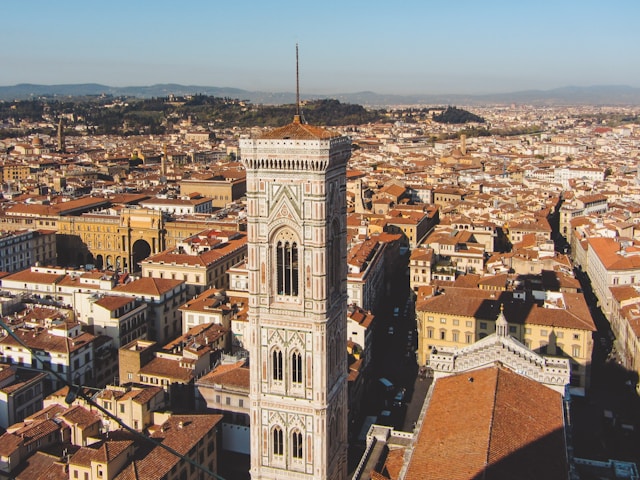
Further north, Florence offers a gentler kind of grandeur. The city stands like an open-air museum, where sculptures appear almost casually in the middle of squares and the Arno glimmers beneath bridges shaped centuries ago. Its skyline is defined by the red dome of Santa Maria del Fiore, a sight that becomes even more impressive when you’re standing beneath it, craning your neck in quiet disbelief.
Inside the Uffizi Gallery, masterpieces fill room after room, yet Florence’s beauty often shines brightest outside — on the steps of churches, in the hum of crowds along Via dei Calzaiuoli, in the way evening light turns the city gold.
Travellers who choose to travel with Firebird Tours often speak of how Florence deepens your understanding of Italy’s artistic heart. The city doesn’t just display Renaissance history; it breathes it. Painters stand along the river sketching the Ponte Vecchio, and artisans in tiny workshops carve wood or shape leather with skills passed through generations.
The Piazzas That Hold a Nation Together
Italy’s piazzas are its true living rooms — open spaces where everything from daily conversation to political debate to celebrations unfolds. No matter the city, these squares hum with life.
In Siena’s Piazza del Campo, the shell-shaped square slopes gently toward the centre, where locals gather in the evenings to sit, talk, and watch the world pass. In Bologna, porticoes stretch out like welcoming arms, and in Verona, the opera echoes off ancient walls on warm summer nights. These spaces hold centuries of community, and visitors quickly discover that spending time in a piazza is as essential to understanding Italy as any museum visit.
Cathedrals that Shape the Skyline
Italy is home to some of the most striking religious architecture in the world, each cathedral reflecting the soul of its city.
Milan’s Duomo, with its white marble spires, looks almost too intricate to be real. The basilicas of Venice sit quietly beside the waters of the lagoon. In smaller towns — Orvieto, Assisi, Lucca — the churches may be less grand but often more intimate, wrapped in silence that feels deeply grounding.
Inside, frescoes glow under soft light, and floors carry the marks of generations. You realise that Italian cathedrals aren’t simply monuments to faith; they’re markers of time, resilience, and craftsmanship.
Beyond the Icons: Italy’s Gentle Corners
While Italy’s major cities draw the most attention, its quieter corners often reveal some of the most lasting memories.
In Puglia, olive trees twist across the landscape like sculptures shaped by wind. In Liguria, villages cling to cliffs above the sea, each pastel house stacked like a painter’s palette. Tuscany offers rolling hills that seem too symmetrical to be real, while Sicily welcomes travellers with a warmth that feels almost Mediterranean in its generosity.
Food changes with every region: truffles in Umbria, anchovies in Cinque Terre, arancini in Palermo, cannoli filled with sweet ricotta. Italy doesn’t ask you to choose one flavour or style; it invites you to wander, taste, and return.
A Culture Built on Connection
What ultimately defines Italy isn’t just its architecture or landscapes — it’s how people live. Italians speak with their hands, stretch meals into conversations, and bring a sense of theatre to even the simplest interactions. They care deeply about beauty, not in a superficial way but as something essential to daily life.
You see it in the way shops arrange produce, in the poetry of handwritten menus, and in the way families greet each other in the street. Travelling through Italy teaches you that “la dolce vita” isn’t a slogan for tourists but a celebration of the everyday.
The Lasting Glow of Italy
You leave Italy with more than photographs. You leave with a clearer sense of how joy can be woven into ordinary moments — a morning coffee at a standing bar, a stroll through a piazza at sunset, a conversation with a local that turns unexpectedly heartfelt.
Italy lingers. It settles quietly, like sunlight on old stone, reshaping the way you think about time, beauty, and the art of living well.
And that, more than any landmark, is the true spirit of the country: a reminder that life is richer when you slow down enough to savour it.

Email your news TIPS to Editor@Kahawatungu.com — this is our only official communication channel
