


The US has urged its citizens to reconsider travelling to Nigeria, citing risks such as terrorism, civil unrest and kidnapping.
The state department’s travel update on Wednesday added that specific Nigerian states that pose an increased risk have been placed under the most severe warning that advises against all travel in the affected areas.
Washington also authorised the departure of “non-emergency” staff and their families from the US embassy in Abuja, following what it calls a “deteriorating security situation” across the country.
The advisory comes amid a fresh surge in deadly attacks across parts of the country, and despite an expanding security partnership between the two nations.
According to the US state department, Washington has been working with Abuja on counter‑terrorism, maritime security, intelligence sharing and military training.
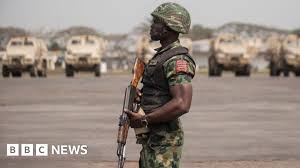
Recent cooperation has included surveillance and reconnaissance support, and the use of US‑supplied aircraft and helicopters by Nigerian forces against Islamist insurgents and armed groups.
The decision to scale back embassy staffing underscores the gap between strategic military cooperation and the reality of daily insecurity faced by civilians in many parts of the country.
In the travel advisory, US citizens were warned that attacks could occur with little or no warning in public spaces including markets, hotels, places of worship, schools and transport hubs.
The US embassy in Abuja is yet to say when the affected staff will be departing the country, and if advisory affects only American staff or includes Nigerians working in the embassy.
Nigerian authorities are have also yet to issue a formal response to the latest US directive.
In the past, officials have argued that such advisories fail to reflect security improvements in some regions and risk unfairly tarnishing the country’s image.
There are also fears that travel warnings could affect diaspora travel, international conferences and development activity at a time when Nigeria is seeking foreign investment and economic recovery.
The US also highlighted the growing cooperation between extremist groups and local criminal gangs, a trend seen to be complicating Nigeria’s security landscape.
While, in Washington’s classification, the country remains at “level 3” – to reconsider travel – in the updated advisory, at least 23 states have been placed under “level 4”. “The security situation in these states is unstable and uncertain,” the advisory said, adding: “Do not travel to these areas for any reason.”
States from the north-west and central Nigeria have been added to the most severe category, including Plateau, Jigawa, Kwara, Niger and Taraba. These join states such as Borno and Yobe in the north-east, long affected by an Islamist insurgency.
In Plateau and Benue, weeks of violence blamed on a mix of armed banditry, communal clashes and reprisal attacks have left dozens of people dead.
In the northeast, the Boko Haram group and its offshoot, Islamic State West Africa Province, continue to mount attacks on civilians, military convoys and aid workers, particularly in Borno.
With violence spreading beyond traditional flashpoints and public frustration growing, some Nigerians say the US warning highlights the urgency of restoring security and rebuilding confidence – both at home and abroad.
By BBC News
Email your news TIPS to Editor@Kahawatungu.com — this is our only official communication channel
